🌏 Blogs / Articles / News / Classifieds / Press Releases / PSA / Podcast / Poetry / Storytelling

 To expand your news reach, consider advertising with our media partner, Patch Media, at https://heypapipromotionsmedia.town.news/. Patch is a nationwide news network comprising over 1,000 hyperlocal websites dedicated to community news across the United States. For press release distribution services, please call or visit https://heypapipromotions.com/advertise.

Blogs (1619)

Remember The Faithfulness Of God

13746619290?profile=RESIZE_710xToday's post not only examines the faithfulness of God but also reminds us of our own forgetfulness. The Israelites provided us with a bird's-eye view of the consequences of forgetfulness. It paves the way for disobedience, which leads to sin. Click on the link below so today's post can speak to your heart. #BibleStudy #Devotions #Discipleship #Faith #Psalms

https://www.ramckinley.com/remember-the-faithfulness-of-god/

Read more…

Intro to Christian Life series.

Promo  https://youtu.be/uoF0Nnk0lIg

 Very few Christians have a clear understanding of Christian values and how they effect their everyday life since many pastors do not provide clear teaching on them. Many members get their values from the media and school. This series deals with Christian values taught in the Bible and how they differ from the values commonly held today. 

Read more…

When Faith and Miracles Work Together

9795595664?profile=RESIZE_710xOne afternoon, as Peter and John went to the Temple to pray, they noticed a lame man sitting at the gate. Under the influence of the Spirit of God, they ministered healing to him. That healing led to the salvation of about 2,000 people who were added to the church. Click on the link below for some valuable insights that will enhance the ministries God has called us to. #316 #Acts #BibleStudy #Devotions #Faith

https://www.ramckinley.com/When Faith and Miracles Work Together/

Read more…

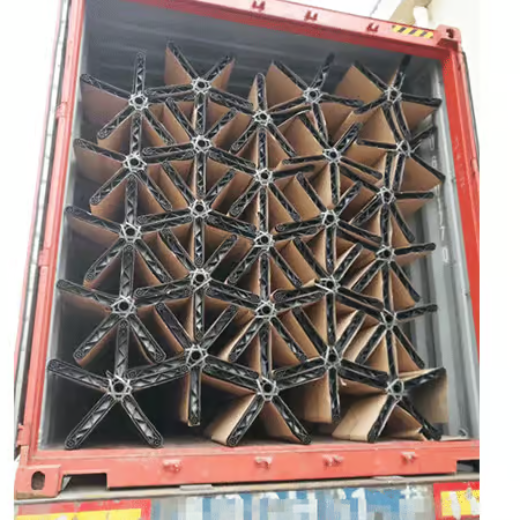
Honeycomb Wrapping Paper

Honeycomb Wrapping Paper Overview


Introduction:

*Designed for package protection
*Easily and flexibly stretchable
*Use as needed and save materials
*Customizable size, color, and outer packaging
*A sustainable alternative to traditional plastic packaging
*Provides cushioning, shock absorption, and support for packages

NRTEC Advantages:

*Manufactured from the source
*Serial number included for production verification
*Customization services available

We are a trusted honeycomb paper manufacturer. NRTEC is a leading protective packaging equipment and materials company, with well-known brands such as YJNPACK and Linkair. We provide paper cushioning machines, tape dispensers, air cushion machines, cardboard shredders, and custom packaging solutions for industries such as e-commerce, third-party logistics, logistics, manufacturing, cold chain, and transportation. If you are looking for efficient, cost-effective, and sustainable packaging solutions, please contact us!


13745205291?profile=RESIZE_710x

 
Read more…

Why Waterproofing Matters in Actuator Selection

Why Waterproofing Matters in Actuator Selection

When selecting a linear actuator, waterproofing might seem like just another technical specification — but in reality, it’s one of the most critical factors for ensuring reliable, long-lasting performance.


Protecting Your Investment from Water Damage

Water and electronics don’t mix well. Even small amounts of moisture entering an actuator can cause serious problems:

  • Short circuits that cause immediate failure or erratic operation
  • Corrosion of internal components, leading to increased friction, wear, and eventual mechanical failure
  • Degradation of seals and insulation, accelerating the breakdown of the device
  • Unpredictable performance, risking safety or process downtime

Imagine your actuator operating outdoors on a rainy day, or inside a food processing plant undergoing high-pressure washdowns. Without proper waterproofing, the device is vulnerable to early failure — increasing your replacement costs and unplanned downtime.


Real-World Examples Where Waterproofing Is Essential

  • Marine applications: Saltwater is highly corrosive. An actuator without marine-grade seals and housings will rapidly deteriorate, risking loss of control for hatches, trim tabs, or steering mechanisms.
  • Solar trackers: Positioned outdoors, these actuators must resist rain, dust, and even occasional snow or ice without losing functionality.
  • Agriculture: Automatic greenhouse vents or irrigation gates are regularly exposed to moisture, soil, and fertilizers — environments where water ingress is a constant threat.
  • Food & Beverage plants: Actuators here undergo frequent cleaning with high-pressure hot water or chemicals. IP69K-rated waterproofing is often required.


Why Relying on Waterproofing Saves Time and Money

Some buyers attempt to protect non-waterproof actuators with external enclosures or covers. While this can help, it adds complexity and risk:

  • Condensation can build up inside enclosures
  • Covers wear out or get damaged, exposing the actuator
  • External boxes don’t always protect cable connections or vents

Choosing a true waterproof actuator with an appropriate IP rating means the actuator is designed from the ground up to resist water ingress — no guesswork, no after-market patches, and less maintenance over time.


Waterproofing Is More Than Just a Feature — It’s a Requirement for Longevity

No matter your application, if your actuator will face exposure to moisture, water jets, or immersion, waterproofing is a non-negotiable factor. It protects your equipment, ensures operational continuity, and helps you avoid costly repairs and replacements.

Brands like FVHOPES (www.fvhopes.com) specialize in waterproof actuators engineered to thrive in wet and demanding environments, giving you confidence in your system’s performance.


Key IP Ratings for Waterproof Actuators (IP65, IP67, IP68 — What They Mean)

When selecting a waterproof linear actuator, one of the most important specifications you’ll come across is the IP rating — short for Ingress Protection. These two-digit codes (like IP65 or IP68) tell you how well an actuator is sealed against solids (like dust) and liquids (like water). Yet for many users, the numbers can be confusing or misleading — and choosing the wrong rating can lead to premature failure or safety issues.

Whether you're a B2B engineer designing outdoor automation or a DIYer installing a smart gate, understanding IP ratings helps you choose the actuator best suited for your application environment.


What Do the Two Digits in an IP Rating Mean?

Let’s break down the format:

  • The first digit (0–6) refers to protection against solids (like dust or sand).
  • The second digit (0–9K) refers to protection against liquids (such as splashing water or submersion).

For example:

  • IP65: 6 = Dust tight; 5 = Protected against water jets
  • IP67: 6 = Dust tight; 7 = Protected against temporary submersion
  • IP68: 6 = Dust tight; 8 = Protected against continuous submersion (depth/duration defined by manufacturer)


Common IP Ratings for Waterproof Actuators

Here’s what each key rating means in practical terms:

IP RatingSolid ProtectionLiquid ProtectionTypical ApplicationWhat It Can Handle
IP65Complete dust sealWater jets from any angle (low pressure)Solar panel trackers, outdoor gatesRain, mild hose spray
IP66Complete dust sealStrong water jets (high pressure)Agricultural automation, industrial washdownFarm mud, heavy rain, splashes
IP67Complete dust sealTemporary submersion (up to 1m, ~30 mins)Boat hatches, marine doors, RV liftsFlooding, wave spray, heavy outdoor exposure
IP68Complete dust sealContinuous submersion (as rated)Underwater robotics, fish tanks, deep sump valvesFull-time underwater use

Note for engineers: Always check with the manufacturer for submersion depth and duration for IP68-rated models — not all IP68 actuators are created equal.


Why It Matters for B2B Buyers

As a B2B purchaser, IP ratings are more than just marketing labels — they’re vital to:

  • System reliability in outdoor or industrial environments
  • Compliance with safety or regulatory standards (e.g., in food processing)
  • Maintenance cost control (since ingress leads to corrosion and downtime)

Choosing the wrong IP rating can cause:

  • Electrical shorts
  • Shaft corrosion
  • Warranty voidance
  • Delays in production or field service

Look for brands that clearly specify IP test certification and offer long-term sealing performance guarantees.


Why It Matters for DIY and B2C Users

If you're installing your own smart gate, solar tracker, or marine lift, knowing your actuator’s IP rating means:

  • Confidence it will survive rain, snow, or washdown
  • Less maintenance and replacement hassle
  • Safer operation without electrical hazards

Pro Tip: If you live in a region with heavy rainfall, snowmelt, or salt air, choose at least IP66 or higher.


An actuator's IP rating is your first line of defense against environmental failure. Don’t rely on protective covers or enclosures alone — pick an actuator that’s built for the conditions it will face.

Whether you’re buying for a large-scale solar project or an off-grid DIY build, choose the correct IP level for the job — and always confirm it’s genuinely tested and certified by the manufacturer.

About FVHOPES

At FVHOPES , innovation meets reliability. As a forward-thinking provider of actuator solutions, FVHOPES is dedicated to delivering high-performance products and exceptional customer support tailored to meet the evolving needs of industries worldwide.

With a strong focus on quality and customer satisfaction, FVHOPES stands out through its comprehensive service process. The company’s customer service team boasts an average of five years of experience, enabling them to quickly diagnose issues and resolve over 80% of problems remotely—often within just 24 hours. This rapid response time minimizes downtime and ensures that operations continue smoothly, keeping your projects on track.

What truly sets FVHOPES apart is its team of professional engineers who offer expert technical guidance on product selection, installation, maintenance, and remote troubleshooting. Whether you're integrating actuators into a new system or upgrading an existing one, their skilled team provides personalized support every step of the way.


View more suppliers: Fiber Cable Supplier Injection Mould Factory Actuated Valves Factory Door Supplier & Factory Actuator Supplier & Factory Faucet Supplier & Factory

Read more…

How to Separate Base of Office Chair?

Office chairs are essential pieces of furniture that endure daily use in workplaces and home offices alike. Over time, parts of a chair may wear out, become loose, or even break, requiring repair or replacement. One of the most common maintenance tasks is separating the base of an office chair—whether for cleaning, replacement, or troubleshooting mechanical issues.


Why You Might Need to Separate the Base of an Office Chair


Before learning the process, it's important to understand why separating the base might be necessary.

1. Replacement of Damaged Parts

The base office chair is typically made of nylon, aluminum, or steel. Over time, cracks or fractures may appear due to heavy use or poor-quality materials. When this happens, users often need to buy office chair base replacements.

2. Gas Cylinder Issues

The gas lift cylinder, which allows height adjustment, connects the seat to the base. If the cylinder malfunctions—resulting in sinking seats or uneven height—you may need to separate the base to replace the cylinder.

3. Mobility Problems

Casters or wheels attached to the base sometimes get stuck or damaged. Separating the base makes it easier to replace the wheels or clean debris lodged inside.

4. Office Chair Base Repair

In many cases, a complete replacement is not needed. A loose connection or damaged wheel socket can be fixed through office chair base repair techniques, which require separating the base for access.


Tools and Preparation Before Separation


Separating the base of an office chair is straightforward if you prepare properly. Here are the essentials:

Rubber mallet or hammer with cloth padding to gently knock parts loose

Flathead screwdriver or pry bar to release the retaining clip or washer

Lubricant spray for stubborn joints or rusted connections

Protective gloves and eye gear for safety

Work mat or surface to protect floors from scratches

Before starting, flip the chair upside down, giving you clear access to the base office chair and the gas cylinder connection.


buy office chair base


Step-by-Step Guide: How to Separate Base of Office Chair


1. Remove the Casters

The first step is to pull out the wheels attached to the base. Most casters pop out with firm pressure, though some may need a flathead screwdriver for leverage.

2. Detach the Gas Cylinder

This is the most critical part of the process. The gas cylinder fits tightly into the base, often secured with pressure rather than screws. To release it:

Hold the base firmly.

Use a rubber mallet to gently tap around the area where the cylinder connects to the base.

Apply lubricant if the joint feels stuck.

Once loosened, the base should separate from the cylinder.

3. Inspect the Base for Damage

With the base removed, check for cracks, bent sockets, or wear. If the damage is beyond repair, it may be time to buy office chair base replacements that are compatible with your chair model.

4. Conduct Office Chair Base Repair if Needed

If the issue is minor—like a loose caster socket—you can perform office chair base repair by tightening fittings, applying epoxy for small cracks, or installing new wheels.

5. Reassemble or Replace

After repair or replacement, reattach the base to the gas cylinder by firmly pressing it back in place. Install the casters, and your office chair should be functional again.


Common Challenges and How to Overcome Them


1. Stuck Gas Cylinder

This is the most common challenge. Cylinders often become jammed due to long-term pressure. Using penetrating oil or lubricant and gently tapping with a mallet usually works.

2. Broken Clips or Washers

Some chairs include a clip or washer that may break during removal. In such cases, replacing the clip is part of office chair base repair.

3. Finding the Right Replacement Base

When you buy office chair base replacements, size compatibility is crucial. Measure the diameter of the base and ensure the gas cylinder fitting matches.


When to Buy a New Office Chair Base vs. Repair


Knowing whether to repair or replace depends on the severity of the damage.

Repair is suitable for minor cracks, loose sockets, or wheel replacements.

Buy office chair base replacements when cracks are large, the base material is compromised, or the structure feels unstable.

High quality bases, such as those manufactured by FSGROWING, are designed for durability, ensuring that replacements provide long-term support and stability.


Choosing the Right Office Chair Base


When it's time to purchase a new base, keep these considerations in mind:

1. Material

Nylon Bases: Lightweight and cost-effective, suitable for standard office use.

Aluminum Bases: Stronger and more stylish, often used in executive chairs.

Steel Bases: Heavy-duty and ideal for industrial or high-weight capacity chairs.

2. Size and Compatibility

Measure the diameter and ensure it matches your current chair model. Universal bases are available, but exact fit guarantees stability.

3. Weight Capacity

Check the weight rating to avoid overloading. Higher-quality bases typically support greater loads.

4. Brand and Reliability

Trusted manufacturers like FSGROWING specialize in durable bases, ensuring safety and reliability for both home and commercial office settings.


The Role of FSGROWING in Office Chair Base Solutions


FSGROWING has become a recognized name in ergonomic office furniture components. Their expertise in designing and producing base office chair parts ensures users get long-lasting, high-performance products. Whether for office chair base repair or when you need to buy office chair base replacements, their solutions are engineered to meet international safety standards.

By focusing on quality materials and strict testing, FSGROWING provides bases that support stability, comfort, and functionality—critical factors for today's demanding work environments.


Learning how to separate the base of an office chair is a practical skill for anyone who wants to maintain or extend the life of their chair. Whether you are performing routine cleaning, fixing a gas cylinder, or carrying out office chair base repair, understanding the process helps you avoid unnecessary replacements.

However, when damage is significant or the base structure is compromised, it's often better to buy office chair base replacements that ensure long-term stability and safety. High-quality bases, like those provided by FSGROWING, deliver the durability and reliability that modern offices demand.

Ultimately, stainless steel tools, proper preparation, and the right replacement base will keep your office chair functional, safe, and comfortable for years to come.

Buy office chair base here! Upgrade your workspace with FSGROWING's premium base office chair — built for strength, style, and comfort. Enhance stability and enjoy long lasting performance with our high quality chair bases, perfect for modern offices.

Read more…

Guide to Automotive Interior Mould

The automotive industry has evolved into one of the most technologically advanced and design focused sectors. At the heart of modern vehicle production is the role of automotive interior mould technology. From dashboards and door panels to center consoles and air vents, moulds shape the components that define a car’s comfort, functionality, and aesthetic appeal.

Understanding how automotive interior mold solutions are designed and produced not only highlights the complexity of this process but also provides insight into why selecting the right automotive interior mould manufacturers is crucial for automakers worldwide.


What Is an Automotive Interior Mould?


An automotive interior mould is a precision engineered tool used to shape plastic or composite parts found inside vehicles. Through injection molding or other moulding processes, molten materials are injected into the mould cavity and cooled to form parts such as:

Dashboard panels

Center console housings

Glove compartments

Air conditioning vents

Door trim components

These parts are central to both the driver’s experience and the vehicle’s market appeal. The quality of a mould directly influences the durability, finish, and functionality of the interior components.

While some use the spelling automotive interior mould, others use automotive interior mold depending on regional English variations. Regardless of spelling, both terms describe the same highly specialized tool.


The Role of Automotive Interior Mould in Vehicle Manufacturing


The production of car interiors goes beyond simple aesthetics. It requires balancing ergonomics, safety, and cost efficiency. Automotive interior mould suppliers are responsible for creating moulds that meet the high standards of global carmakers.

Ergonomics and Comfort

Interior parts must align with ergonomic principles, ensuring that buttons, handles, and panels are easily accessible and comfortable for drivers and passengers. A well-designed mould guarantees consistent shape and alignment across thousands of parts.

Durability and Safety

Every component shaped by an automotive interior mould must withstand constant use, temperature fluctuations, and potential impacts. For example, dashboard panels produced using precision moulds maintain their structural integrity even after years of exposure to sunlight and vibration.

Aesthetic Appeal

Modern consumers expect stylish, seamless designs inside their vehicles. Precision moulds ensure surfaces are smooth, textures are consistent, and details like stitching effects or matte finishes meet design expectations.

Mass Production Efficiency

Moulds enable mass production at scale while ensuring every piece remains identical. This consistency is vital for automakers producing millions of vehicles per year.


How Automotive Interior Mould Manufacturers Work


Design and Simulation

The process begins with CAD (Computer-Aided Design) modeling and mold flow analysis. This step ensures that the mould will properly distribute molten plastic and avoid defects like warping or sink marks.

Material Selection

Different interior parts require different materials. For example:

ABS plastics for dashboards (impact resistance)

Polypropylene for door trims (lightweight and cost-effective)

Polycarbonate blends for transparent or semi-transparent parts

Automotive interior mould manufacturers must align material properties with the end-use requirements.

Tooling and Precision Machining

Once designed, the mould is machined using CNC equipment, EDM (Electrical Discharge Machining), and polishing to achieve exact tolerances. Even a fraction of a millimeter error can lead to visible defects in the finished interior part.

Testing and Refinement

Before mass production, trial runs are conducted to ensure that parts meet strict automotive quality standards. Adjustments are made until the mould achieves consistent results.

Collaboration with Automotive Brands

Global carmakers rely on partnerships with automotive interior mould suppliers to produce parts for new vehicle models. Close collaboration ensures that design intent is translated into manufacturable components.


The Global Landscape of Automotive Interior Mould Suppliers


China Automotive Interior Mould Industry

The demand for china automotive interior mould solutions has surged due to the country’s strong manufacturing base, advanced tooling technologies, and competitive costs. Chinese mould makers, such as Younger Mould, have built a reputation for producing high-quality moulds for both domestic and international markets.

Advantages of working with china automotive interior mould suppliers include:

Cost effective production without compromising precision

Advanced equipment for CNC machining and testing

Large scale capacity to meet automotive OEM demands

Flexibility in customizing moulds for specific vehicle models

International Competition

While China leads in cost efficiency, European and North American mould makers emphasize premium tooling solutions with high-end technologies like advanced simulation and automated assembly integration. Automakers often source moulds globally, balancing cost, speed, and innovation.

Choosing the Right Supplier

When evaluating automotive interior mould manufacturers, companies consider factors like:

Experience in producing interior components

Track record with global automakers

Technical expertise in complex mould designs

Quality assurance and ISO certifications


Future Trends in Automotive Interior Mould Technology


The automotive industry is shifting rapidly, and mould technology is evolving to keep pace.

Lightweight Materials

To improve fuel efficiency and support electric vehicle designs, mould makers are increasingly working with lightweight polymers and composite materials.

Smart Interiors

With the rise of smart cars, interiors now integrate touchscreens, ambient lighting, and sensor-based controls. This requires automotive interior mold designs capable of supporting intricate electronic housings.

Sustainability and Recycling

Carmakers are demanding moulds that can process recycled materials or bio-based plastics, aligning with sustainability goals. Automotive interior mould suppliers are adapting to handle these new materials effectively.

Precision for Luxury Vehicles

As premium vehicles emphasize ultra-fine detailing, mould manufacturers must provide exact surface textures, from leather-like grain finishes to brushed metallic effects.


The Backbone of Automotive Interior Innovation


Automotive interiors are a key factor influencing consumer choice, and behind every component lies a precisely engineered automotive interior mould. From dashboards to door trims, moulds ensure that vehicles are comfortable, stylish, and durable.

With the growing capabilities of china automotive interior mould suppliers and the expertise of established automotive interior mould manufacturers, the industry is well-positioned to meet the demands of modern mobility. Companies like Younger Mould demonstrate how innovation in mould design directly contributes to the evolution of automotive interiors.

By understanding how moulds are created, used, and improved, designers, manufacturers, and car enthusiasts can better appreciate the complexity behind every interior component.

Younger Mould is a leading China automotive interior mould manufacturer specializing in high quality automotive interior mould solutions. With a reputation built on innovation, precision, and reliability, we provide customized mold services that meet the specific needs of global clients. Our engineering team ensures every automotive interior mold is designed with advanced technology, delivering consistent performance, fast turnaround, and exceptional accuracy—helping manufacturers achieve efficiency without compromising on quality.   

Read more…

Are Stainless Steel Hinges Better?

Door hinges may seem like small hardware components, but they are among the most critical elements that ensure doors function properly, remain secure, and stand the test of time. Whether for residential homes, industrial facilities, or commercial buildings, the choice of hinge material plays a vital role in durability, safety, and aesthetics.

One of the most common questions builders, architects, and homeowners ask is: ‘Are stainless steel hinges better?’ The answer is not simply yes or no—it depends on the application. However, customized stainless steel door hinge often outperform other materials in terms of strength, corrosion resistance, and versatility.


Why Material Matters in Door Hinges


The first factor to consider when choosing a hinge is the material. Hinges are commonly available in brass, mild steel, aluminum, or stainless steel. Each has its benefits and drawbacks, but stainless steel stands out as a reliable choice for long-term use.

Brass Hinges: Often used for decorative interior applications; however, they lack the strength and durability required for heavy duty doors.

Mild Steel Hinges: Strong but prone to corrosion, especially in humid or outdoor environments.

Aluminum Hinges: Lightweight, suitable for specific applications but not ideal for heavy doors.

Stainless Steel Hinges: Known for superior corrosion resistance, high load-bearing capacity, and suitability for both indoor and outdoor use.

When it comes to metal door hinges used on security doors, fire-rated doors, or heavy commercial entrances, stainless steel is generally the material of choice.


The Benefits of Stainless Steel Hinges


Stainless steel has unique properties that make it ideal for metal door hinge applications. Let's look at why these hinges are often considered better:

1. Corrosion Resistance

Unlike mild steel, stainless steel resists rust and corrosion. This makes hinges for metal doors in coastal areas, industrial zones, or humid environments last much longer without degradation.

2. Strength and Load Capacity

Heavy-duty doors require hinges capable of handling significant weight. Stainless steel hinges offer higher tensile strength compared to brass or aluminum, making them perfect for metal door hinges on industrial and commercial entryways.

3. Fire and Heat Resistance

Many metal door hinges must meet fire-rating standards. Stainless steel maintains structural integrity under high temperatures, which is crucial for fire doors in hospitals, schools, and office buildings.

4. Low Maintenance

Stainless steel hinges require minimal maintenance. Occasional lubrication is usually enough to keep them operating smoothly for decades, reducing replacement costs.

5. Aesthetic and Modern Design

Stainless steel offers a clean, modern appearance that blends seamlessly with contemporary architectural designs. For customized stainless steel door hinge solutions, finishes can be tailored to match the overall aesthetic.


customized stainless steel door hinge


Comparing Stainless Steel Hinges With Other Metal Hinges


Are stainless steel hinges always better? The answer depends on the specific context.

For Interior Wooden Doors: Brass or mild steel may suffice since the environment is controlled and loads are lighter.

For Exterior or Metal Doors: Stainless steel is clearly superior due to its resistance to corrosion and higher strength.

For Specialized Applications: A customized stainless steel door hinge is often the best solution because it can be tailored for heavy loads, unusual door dimensions, or unique safety requirements.

In short, while other hinge types work in low-demand scenarios, stainless steel becomes essential for metal door hinge applications where safety and longevity are priorities.


Applications of Stainless Steel Hinges in Metal Doors


Stainless steel hinges are not limited to residential settings. They play a vital role in a wide range of industries and applications.

1. Security and Fire Rated Doors

Heavy duty hinges for metal doors are essential in high security environments such as banks, data centers, or government facilities. Stainless steel ensures reliability under constant stress and complies with fire safety regulations.

2. Industrial and Commercial Entrances

Factories, warehouses, and shopping centers often use large metal door hinges to handle traffic and heavy loads. Stainless steel ensures that these doors operate smoothly even under daily wear.

3. Exterior Residential Doors

For homes in coastal areas or regions with harsh weather, stainless steel hinges outperform mild steel or brass by resisting rust and maintaining their function for years.

4. Customized Architectural Projects

Modern architecture often requires unique hinge designs to support oversized or specially designed doors. In such cases, a customized stainless steel door hinge provides the precision, strength, and finish needed to achieve both functionality and aesthetics.


How to Choose the Right Stainless Steel Hinge for Your Doors


When selecting stainless steel hinges, consider these factors:

1. Door Type and Weight

A lightweight cabinet door does not need the same hinge as a heavy fire-rated metal door. Always match hinge strength to door weight.

2. Door Location

Exterior doors exposed to weather should always use stainless steel, while interior wooden doors may use lighter alternatives.

3. Safety and Standards

For fire rated doors, verify that the hinge meets international safety certifications. Filta's range of metal door hinges is designed with compliance in mind.

4. Customization Needs

For unique doors, a customized stainless steel door hinge may be the best solution. Tailoring size, load capacity, and finish ensures both performance and aesthetics.

Filta's Commitment to Stainless Steel Door Hinges

Filta has established itself as a trusted supplier of metal door hinges that combine durability with modern design. Their product line includes standard and customized stainless steel door hinge solutions, designed to meet the strict requirements of commercial, residential, and industrial applications.

Every Filta hinge undergoes rigorous quality control, ensuring that their hinges for metal doors perform consistently under heavy use. By focusing on both performance and aesthetics, Filta supports architects, builders, and homeowners in creating long-lasting, safe, and modern door systems.


So, are stainless steel hinges better? The answer is yes—especially for metal door hinges that require durability, resistance to corrosion, and compliance with safety standards. While brass or mild steel hinges may work for lighter or decorative doors, stainless steel is unmatched when strength, reliability, and longevity are priorities.

Whether you need hinges for metal doors in commercial buildings, residential exteriors, or customized architectural projects, stainless steel is the most dependable option. With customized stainless steel door hinge solutions, companies like Filta provide flexibility, ensuring that each project benefits from hardware tailored for maximum performance and modern design.

Ultimately, stainless steel hinges are more than just a ‘better' option—they are the foundation for safe, reliable, and long lasting door systems across industries.

Discover Filta's advanced metal door hinges, designed for the needs of modern living. With a sleek design and dependable performance, this customized stainless steel door hinge blends convenience with contemporary style for effortless daily use. Enhance your home with the Filta hinges for metal doors and experience seamless access, reliable security, and refined elegance at your fingertips.

Read more…

How To Use A 3 Point Cultivator?

Farmers, landscapers, and gardeners all understand the importance of cultivating soil before planting. Cultivation not only prepares the ground but also improves soil aeration, weed control, and nutrient absorption. Among the many tools available, the 3 point cultivator stands out as one of the most versatile and efficient options. If you've ever wondered how to use a 3 point cultivator effectively, this comprehensive guide will provide step-by-step instructions, expert tips, and practical advice on choosing the right equipment.

Whether you're looking for a tiller for 3 point hitch, considering different 3 point cultivators for sale, or simply seeking professional knowledge, this article will help you maximize the performance of your tractor attachments.


Chapter 1: What is a 3 Point Cultivator and Why Use It?


A 3 point garden cultivator is a tractor-mounted implement designed to attach to a tractor's three point hitch system. Unlike handheld tools or smaller walk-behind cultivators, a 3 point cultivator offers wide coverage and deep soil penetration, making it ideal for larger farming and gardening projects.


Key Functions of a 3 Point Cultivator


Soil Aeration – By loosening compacted soil, cultivators improve airflow and water absorption.

Weed Control – The implement uproots weeds between crop rows without harming the main plants.

Seedbed Preparation – Creates a fine, even soil texture for planting seeds or transplanting crops.

Residue Management – Helps incorporate crop residues back into the soil for organic matter enrichment.


Why Choose a Tiller for 3 Point Hitch Over Other Tools?


Efficiency: Covers more ground in less time compared to walk-behind models.

Durability: Heavy-duty build ensures long-term use in varied soil conditions.

Versatility: Adjustable shanks and tines allow for both shallow and deep cultivation.

Professional suppliers like CXNOFIA manufacture a wide range of 3 point cultivators engineered to withstand challenging soil conditions while offering consistent performance.


tiller for 3 point hitch


Chapter 2: How to Use a 3 Point Cultivator Effectively


Learning how to use a 3 point cultivator is essential to achieving the best results in soil preparation. While the process is straightforward, proper setup and operating techniques can greatly enhance efficiency and equipment longevity.

Step 1: Attach the Cultivator to the Tractor

Back the tractor up to the cultivator frame.

Align the lower lift arms of the three-point hitch with the implement pins.

Secure both sides with hitch pins and safety clips.

Connect the top link to the center bracket of the cultivator.

Step 2: Adjust the Height and Depth Settings

Use the tractor's lift control to adjust the cultivator height.

Set the tine depth depending on soil type (2–6 inches for general use).

Ensure even alignment across the implement for uniform soil penetration.

Step 3: Select the Right Tractor Speed

Operate at a steady pace, usually between 3–5 mph.

Slower speeds are best for rocky or clay-heavy soils.

Faster speeds work well on sandy or previously cultivated ground.

Step 4: Begin Cultivating the Soil

Lower the cultivator into the soil gradually.

Maintain straight passes across the field.

Overlap slightly on each pass to ensure full coverage.

Step 5: Monitor Performance and Make Adjustments

Check tine wear regularly.

If the cultivator drags or skips, adjust the top link angle.

For tougher soils, multiple passes may be necessary.

By following these steps, you can operate a 3 point garden cultivator safely and effectively while reducing strain on your tractor.


Chapter 3: Best Practices for Using a 3 Point Garden Cultivator


To maximize efficiency and extend the lifespan of your tiller for 3 point hitch or cultivator, consider these professional best practices.

1. Match Implement Size to Tractor Power

A tractor's horsepower should align with cultivator width.

Example: A 25 HP tractor may handle a 4-foot cultivator, while larger tractors can manage 6–8 foot models.

2. Avoid Working in Extreme Soil Conditions

Overly wet soil may clump and stick to tines.

Extremely dry or compacted soil may require pre-watering or shallow passes.

3. Regular Maintenance

Grease pivot points and moving parts as recommended.

Replace worn tines or shovels to maintain efficiency.

Check bolts and frame connections before every use.

4. Adjust for Crop Spacing

For row crops, adjust cultivator shanks to fit between plant rows.

Avoid damaging crops by keeping blades aligned correctly.

5. Operate with Safety in Mind

Never allow bystanders near the working area.

Always disengage the PTO and turn off the tractor before making adjustments.

These techniques help ensure that both beginner and experienced operators achieve the best results with their 3 point cultivator.


Chapter 4: Choosing the Right 3 Point Cultivator for Your Needs


With numerous 3 point cultivators for sale on the market, selecting the right one can be overwhelming. Here's what to look for when choosing a high-quality cultivator.

1. Build Quality

A sturdy frame made of heavy-duty steel ensures durability, especially when working in rocky or clay soils.

2. Adjustable Shanks and Tines

Flexibility in spacing and depth adjustment makes the implement more versatile for different crops and soil conditions.

3. Compatibility with Tractor Size

Make sure the cultivator width matches your tractor's PTO horsepower to prevent overloading.

4. Manufacturer Reputation

Purchasing from a trusted 3 point hitch tiller and cultivator factory like CXNOFIA guarantees reliable engineering, strict quality control, and better after-sales support.

5. Cost vs. Value

While budget friendly models exist, investing in a professional grade cultivator pays off through reduced maintenance and longer service life.

Farmers and landscapers often prefer suppliers like CXNOFIA, who provide reliable solutions for various tractor sizes, field conditions, and cultivation needs.


Learning how to use a 3 point cultivator correctly is the key to improving soil quality, enhancing crop yields, and reducing manual labor. From proper attachment and depth adjustment to best practices in operation, every step matters in maximizing efficiency.

A tiller for 3 point hitch or a 3 point garden cultivator is an investment that transforms land preparation. With many 3 point cultivators for sale, it's important to choose equipment from a professional manufacturer to ensure durability and performance.

By applying the techniques and considerations outlined in this guide, you can confidently use a 3 point cultivator to prepare soil for planting, manage weeds, and achieve long term farming success.

1gk series 3 point cultivators for sale! Discover durable tiller for 3 point hitch from CXNOFIA, a leading 3 point garden cultivator manufacturer in China. Our precision engineered tractor tiller is compatible with many top tractor brands.

Read more…

God's Judgment And Its Consequences

10732808268?profile=RESIZE_710xThe divided kingdoms of Israel: Samaria and Jerusalem, both sinned against God. Thus Ezekiel wrote a very graphic chapter of their sins and the consequences of God's judgment they would suffer. Click on the link below to read about the graphic warnings of God's judgment and how we can steer clear of them. #BibleStudy #Devotions #Evangelism #Ezekiel

https://www.ramckinley.com/gods-judgment-and-its-consequences/

Read more…
Fashion has always been closely tied to the way people perceive and present themselves. Among the many styles of trousers, high rise straight pants have stood the test of time. They first gained prominence in the mid-20th century and have continually resurfaced as a flattering and versatile choice. Today, fashion enthusiasts often ask: What body type looks good in high rise straight pants? This article dives into the history, fit, body type analysis, and styling strategies that explain why this design has remained a staple.
 
 
high rise straight pants


What Are High Rise Straight Pants?

High rise straight pants are defined by two key features:
  • High Rise: The waistband sits at or above the natural waistline, usually near the navel.
  • Straight Leg Cut: The leg shape runs straight from the hips down to the hem, neither tapering nor flaring excessively.
This combination creates balance and elongates the legs, which is why high rise straight pants are considered universally flattering.


Why Do High Rise Straight Pants Flatter Many Figures?

High rise straight pants work with natural body proportions. By cinching the waist and creating vertical lines down the legs, they balance curves, elongate shorter frames, and provide structure to softer silhouettes. Their versatility means they adapt to a wide range of outfits, from professional attire to casual wear.
 

Which Body Types Look Best in High Rise Straight Pants?

Hourglass Body Shape

The hourglass figure, characterized by a balanced bust and hips with a defined waist, is complemented beautifully by high rise straight pants. The high waist emphasizes the natural curve, while the straight leg balances proportions without overwhelming curves.
Styling Tip: Tuck in blouses or pair with cropped jackets to highlight the waistline.
 

Pear-Shaped Body

Pear-shaped individuals carry more weight around the hips and thighs compared to the upper body. High rise straight pants draw attention to the waist and provide a streamlined look for the lower half.
Styling Tip: Choose darker shades on the bottom with lighter or structured tops to create balance.
 

Apple-Shaped Body

An apple body type typically has a fuller midsection and slimmer legs. The high waist on high rise straight pants helps define the waistline, while the straight cut elongates the legs.
Styling Tip: Look for styles with stretch fabric and pair with V-neck tops to lengthen the torso visually.
 

Rectangle Body Shape

For those with a rectangle figure, the bust, waist, and hips align closely in measurement, creating a straighter silhouette. High rise straight pants add shape by cinching the waist and providing structure to the lower body.
Styling Tip: Belts and tucked tops enhance waist definition.
 

Petite Body Type

Petite individuals benefit from high rise straight pants because the elevated waistband creates the illusion of longer legs. The straight line adds height without overwhelming a smaller frame.
Styling Tip: Opt for cropped lengths or pair with heels to maximize elongation.
 

Tall Body Type

Tall individuals often find that trousers don’t provide enough proportion. High rise straight pants maintain balance by breaking up the torso length and emphasizing natural curves.
Styling Tip: Experiment with wide belts and oversized tops to create proportional harmony.


Fabric Choices for High Rise Straight Pants

The fabric chosen greatly affects the look and feel of high rise straight pants:
  • Denim: Casual yet structured, perfect for everyday wear.
  • Wool Blends: Ideal for professional settings.
  • Linen: Light and breathable, suitable for summer.
  • Eco-Friendly Fabrics: Brands like RE&X embrace sustainable textiles that maintain quality without compromising the environment.


Styling High Rise Straight Pants by Occasion

Workplace

Pair tailored high rise straight pants with a crisp shirt or blazer. Neutral colors like navy, grey, or black are versatile.
 

Casual Outings

T-shirts, sneakers, or flat sandals complement more relaxed cuts of high rise straight pants.
 

Evening Looks

Elevate high rise straight pants with silk blouses, statement jewelry, and heels for a polished style.
 

Travel

Wrinkle-resistant fabrics in high rise straight pants provide comfort and style during long journeys.


How to Choose the Right High Rise Straight Pants

Fit Around the Waist

The waistband should hug the waist without digging in or leaving gaps.
 

Length

Ankle-grazing or floor-length styles both work, but the choice depends on shoes and personal height.
 

Rise Measurement

Typical rises measure 10–12 inches. Ensure this aligns with comfort and intended look.
 

Color and Pattern

Solid neutrals elongate, while bold prints add flair. Patterns like pinstripes enhance vertical length.


The Evolution of High Rise Straight Pants in Fashion

High rise straight pants became iconic in the 1970s, resurfaced in the 1990s minimalism era, and today are seen across runways and casual wardrobes. The design’s timelessness lies in its adaptability across trends and body types.
Fashion brands such as RE&X continue to innovate with eco-conscious fabrics and tailoring precision, ensuring that high rise straight pants remain relevant for future generations.


Common Mistakes When Wearing High Rise Straight Pants

  • Choosing Too Tight a Waistband: Causes discomfort and unflattering lines.
  • Wearing the Wrong Length: Overly long hems shorten the frame; overly short ones can distort proportions.
  • Ignoring Body Balance: Forgetting to style tops and accessories to complement the pants.


Conclusion

So, what body type do high rise straight pants look good on? The answer is—almost every type. From hourglass to petite, pear to tall, the design’s flattering silhouette, versatility, and timeless appeal make it a wardrobe essential. With the right fit, fabric, and styling, high rise straight pants can enhance any figure, offering elegance, comfort, and confidence.
Read more…

The Importance of First Impressions in Interviews
 

First impressions are powerful and often difficult to change. During an interview, the way a candidate dresses communicates as much as their résumé or answers. Employers commonly view attire as an extension of professionalism, attention to detail, and respect for the opportunity. Wearing business casual ripped jeans introduces a debate: does the choice reflect individuality or a lack of seriousness?
 
Research shows that non-verbal cues, including clothing, shape impressions within seconds. If interview attire does not align with an employer’s expectations, it may create doubt about the candidate’s judgment. While industries differ in formality, interviewers often expect candidates to present themselves in a way that aligns with company culture.
 
business casual ripped jeans
 

What Does “Business Casual” Really Mean?
 

The term “business casual” is notoriously vague. Traditionally, it refers to professional attire without the rigidity of full suits. For men, this might include slacks, button-down shirts, and loafers. For women, options often include skirts, dresses, or trousers paired with blouses.
 
Over time, interpretations of business casual have evolved. In some industries, business casual might include jeans—if they are clean, dark, and free of rips. However, introducing distressed denim or business casual ripped jeans pushes the boundaries further, challenging traditional norms. What one company calls “casual,” another may consider unprofessional.


The Rise of Business Casual Ripped Jeans in Fashion
 

Fashion trends often blur the line between casual and professional. Ripped jeans, once a symbol of rebellion and counterculture, entered mainstream fashion decades ago. Designers like RE&X and other forward-thinking brands helped transition denim from workwear into a versatile, stylish staple.
 
Today, business casual ripped jeans are widely seen in streetwear and even in certain offices. Celebrities, influencers, and fashion-forward professionals helped normalize the look, making them less of a “rebellious” item and more of a lifestyle choice. Yet, the question remains: should they be worn in formal settings like interviews?


Are Business Casual Ripped Jeans Suitable for Interviews?
 

While business casual ripped jeans might work in everyday office environments, interviews are unique. They serve as formal introductions where candidates must make a strong impression. Employers may interpret ripped denim as careless, regardless of current fashion trends.
 
In creative industries—such as design, media, or fashion—business casual ripped jeans could be more acceptable. In fact, some companies may view them as a reflection of creativity and modernity. In contrast, industries like finance, law, and corporate management expect conservative attire, making ripped jeans inappropriate.


Employer Expectations and Dress Codes
 

Companies often maintain either written or unwritten dress codes. While employee attire may be relaxed, interviews still represent a more formal process. Wearing business casual ripped jeans risks being seen as presumptuous.
 
Hiring managers frequently report that they judge candidates not only on qualifications but also on cultural fit. A polished appearance communicates respect and preparation. Even in offices where jeans are standard, presenting oneself slightly more formally for an interview demonstrates seriousness about the role.


Cultural Differences in Interview Attire
 

Interview attire expectations vary globally.
  • United States & UK: Startups and creative firms may welcome business casual ripped jeans, but conservative corporations frown upon them.
  • Europe: Fashion-forward cities like Milan or Paris sometimes embrace trendy attire, though formal roles still demand traditional wear.
  • Asia: Many companies in China, Japan, and South Korea maintain strict dress codes, where suits are standard and ripped denim would be inappropriate.
Understanding cultural expectations ensures candidates avoid unintentionally making a poor impression.


Business Casual Ripped Jeans: Style vs. Professionalism
 

Business casual ripped jeans represent individuality, but interviews demand balance between self-expression and professionalism. Wearing them might show confidence, but it can also create doubt about judgment.
 
Candidates should ask themselves: will this choice highlight my skills, or will it distract the interviewer? In most cases, safer alternatives—such as dark denim without distressing or tailored trousers—offer a more universally accepted compromise.


Situations Where Business Casual Ripped Jeans May Work
 

There are scenarios where wearing business casual ripped jeans could be acceptable:
  • Creative industries: Advertising, fashion, and digital media value unique style.
  • Startups: Many new companies pride themselves on casual culture.
  • Informal interviews: For internships or networking chats, attire expectations may be lower.
In these cases, pairing business casual ripped jeans with a blazer, polished shoes, and a clean shirt can balance casual and professional elements.


When to Avoid Wearing Business Casual Ripped Jeans
 

On the other hand, candidates should never wear them to:
  • High-stakes corporate interviews: Positions in banking, consulting, or government.
  • Executive-level roles: Leadership positions demand conservative attire.
  • Traditional companies: Firms with formal reputations expect suits or polished business casual.
Erring on the side of caution is almost always safer.


Alternatives to Ripped Jeans for a Stylish Yet Professional Look
 

For those who enjoy denim but want a safer option, alternatives include:
  • Dark, non-ripped jeans: Sleek and polished.
  • Chinos or khakis: Comfortable and versatile.
  • Tailored trousers: Professional with modern fits.
These options allow candidates to feel comfortable while maintaining professionalism. Brands such as RE&X provide eco-friendly, high-quality trousers designed for durability and elegance, which can serve as excellent interview attire alternatives.


How Recruiters Perceive Business Casual Ripped Jeans
 

Recruiters emphasize that attire signals preparation. Many prefer candidates who “overdress” slightly rather than risk underdressing. While some admit they would not automatically reject someone in business casual ripped jeans, they often perceive it as a red flag, suggesting lack of awareness about professional norms.
 
Surveys reveal that 70% of employers believe inappropriate attire negatively affects hiring decisions. Even when skills and qualifications are strong, clothing choices can influence subconscious bias.


The Role of Confidence and Body Language
 

Confidence plays a crucial role in interviews. Some argue that if a candidate feels empowered in business casual ripped jeans, it may enhance their performance. However, confidence should not come at the expense of professionalism.
 
Effective communication, eye contact, and posture all help project competence. Ideally, candidates should choose clothing that enhances confidence while respecting professional expectations.


Balancing Personal Brand with Professional Expectations
 

Fashion is an expression of identity. Business casual ripped jeans may align with a candidate’s personal brand, but interviews require alignment with company culture. The goal is not to suppress individuality but to adapt it strategically.
 
A candidate’s “personal brand” includes their attire, language, and demeanor. Aligning these elements with an employer’s values communicates both authenticity and professionalism.


The Future of Interview Dress Codes
 

Interview attire is evolving rapidly. With remote interviews, many candidates adopt more relaxed styles. Gen Z professionals are challenging traditional norms, pushing for authenticity and comfort. Business casual ripped jeans may become increasingly normalized in interviews, especially in innovative industries.
 
Still, tradition persists in conservative fields. The safest approach is to research company culture beforehand, ensuring attire aligns with expectations.


Conclusion: Making the Right Choice
 

The question of whether business casual ripped jeans are unprofessional in interviews depends on industry, culture, and company norms. While they may work in startups or creative industries, they remain risky in traditional settings.
 
Overdressing is rarely penalized, but underdressing often is. Candidates should prioritize professionalism, ensuring their attire enhances rather than distracts from their qualifications. In the end, the best interview outfit reflects both confidence and respect for the opportunity.
Read more…
The growing popularity of electric scooters has transformed urban commuting and outdoor mobility. While standard scooters are designed primarily for smooth city roads, the demand for an all terrain scooter electric has surged among users who want more versatility and durability. Riders today seek models that can perform well not just on city pavements but also on gravel paths, dirt trails, and uneven countryside roads. This is where the concept of the best electric scooter for bumpy roads comes in.
 
The best electric scooter for bumpy roads offers riders enhanced stability, shock absorption, larger wheels, and stronger build quality compared to regular scooters. These features make them particularly appealing to commuters, adventurers, and outdoor enthusiasts who require reliable transportation across varied surfaces. This article explores in detail the specific features that distinguish all terrain electric scooters from traditional ones and explains why these differences matter.
 
best electric scooter for bumpy roads


What Defines the Best Electric Scooter for Bumpy Roads?
 

The best electric scooter for bumpy roads is not just about power; it combines technology, design, and rider safety. Unlike conventional scooters designed for flat city roads, all terrain scooters integrate stronger frames, high-capacity motors, and advanced suspension systems. These design elements allow riders to move comfortably across uneven terrains such as cobblestones, dirt tracks, or hilly paths without compromising balance or safety.
 
Key Aspects:
  • Tires and Wheels – Larger, air-filled, or tubeless tires that handle rough ground.
  • Suspension System – Dual or quad suspension systems for shock absorption.
  • Motor Power – High-wattage motors (often dual-motor systems) to handle steep slopes.
  • Battery and Range – Extended range to cover both city and countryside rides.
  • Build Quality – Reinforced frames designed for stability and rider safety.
These elements combined make an all terrain scooter electric significantly different from regular scooters.


Why Are Tires Important in the Best Electric Scooter for Bumpy Roads?
 

One of the biggest distinctions lies in the tire design. Regular scooters often feature smaller solid tires optimized for smooth pavements. However, the best electric scooter for bumpy roads features larger pneumatic or tubeless tires, often ranging from 10 to 14 inches in diameter.
 
Advantages of Large Pneumatic Tires:
  • Shock Absorption: Air-filled tires absorb vibrations from rocky paths.
  • Grip and Traction: Deep tread patterns ensure better traction on dirt, gravel, and wet surfaces.
  • Safety: Reduced chance of skidding or losing control in adverse conditions.
Without these tire improvements, a scooter would be unsuitable for trails or cobblestone streets.


How Does Suspension Differentiate the Best Electric Scooter for Bumpy Roads?
 

Suspension systems play a vital role in rider comfort. While standard scooters may not include any suspension at all, an all terrain scooter electric often incorporates dual or even quad suspension systems.
 
Benefits of Advanced Suspension:
  • Reduced Vibration: Ensures smoother rides on uneven ground.
  • Improved Control: Prevents sudden jolts from destabilizing the rider.
  • Extended Riding Duration: Riders can travel longer distances without fatigue.
Thus, suspension is one of the most critical aspects that make the best electric scooter for bumpy roads stand apart.


What Motor Power Does the Best Electric Scooter for Bumpy Roads Require?
 

Motor power defines the scooter’s ability to handle steep slopes and rough terrains. Regular scooters often use 250W–350W motors suitable for flat roads. In contrast, the best electric scooter for bumpy roads often includes dual motors with a combined output of 1000W to 3000W.
 
Why More Power Matters:
  • Uphill Climbing: Handles steep gradients effortlessly.
  • Speed Consistency: Maintains steady speed on uneven paths.
  • Load Capacity: Supports heavier riders and additional gear.
An all terrain scooter electric with stronger motors is essential for adventure riders who rely on performance in demanding conditions.


Why Is Battery Life Crucial in the Best Electric Scooter for Bumpy Roads?
 

Battery capacity directly impacts range. For regular city commuting, 20–30 km per charge may be enough. However, an all terrain scooter electric designed for long rides often requires 50–100 km range.
 
Key Battery Features:
  • High-Capacity Lithium-Ion Batteries: Ensures longer range.
  • Fast-Charging Options: Reduces downtime between rides.
  • Safety Management Systems: Prevents overheating and extends battery lifespan.
The best electric scooter for bumpy roads ensures that riders can venture far from urban areas without worrying about sudden power loss.


How Does Build Quality Affect the Best Electric Scooter for Bumpy Roads?
 

Durability is essential. Regular scooters use lightweight aluminum frames for portability, but the best electric scooter for bumpy roads often integrates reinforced steel or aircraft-grade aluminum for strength.
 
Structural Enhancements:
  • Water Resistance: IPX4–IPX6 ratings for rain and mud protection.
  • Reinforced Decks: Wider decks for better balance and rider stance.
  • Strong Braking Systems: Hydraulic or dual-disc brakes for quick stops.
These features ensure that an all terrain scooter electric can withstand repeated use on harsh terrains.


What Safety Features Are Essential in the Best Electric Scooter for Bumpy Roads?
 

Safety is non-negotiable in challenging environments. Unlike basic scooters, advanced models prioritize rider security.
 
Key Safety Enhancements:
  • Bright LED Headlights and Taillights: Visibility in low-light conditions.
  • Turn Signals: Essential for road safety during night rides.
  • Emergency Braking Systems: Ensures stable and controlled stops.
Riders should never overlook these safety features when choosing the best electric scooter for bumpy roads.


Can an All Terrain Scooter Electric Be Used in the City?
 

Yes. Although designed for rugged terrains, the best electric scooter for bumpy roads is versatile enough for city use. Its robust tires and suspension systems make it ideal for cobblestones, potholes, and poorly maintained urban roads.
 
This versatility makes it a practical investment, serving dual purposes of commuting and adventure.


Why Is the Best Electric Scooter for Bumpy Roads Popular Worldwide?
 

The popularity of all terrain scooters is rising globally. Consumers in Europe, North America, and Asia are increasingly purchasing them for both city commuting and outdoor recreation. Manufacturers such as Zhejiang Dece Power Co., Ltd. have contributed to this trend by producing advanced designs for diverse markets.
 
The growing interest shows that mobility solutions are no longer limited to smooth pavements but must adapt to diverse environments.
Future of All Terrain Scooter Electric Models
 
With advancements in motor efficiency, battery density, and AI-based smart controls, the best electric scooter for bumpy roads is expected to become even safer and more efficient. Companies like Zhejiang Dece Power Co., Ltd. are exploring new materials, longer-lasting batteries, and eco-friendly designs, aligning with sustainable mobility trends.


Conclusion
 

The best electric scooter for bumpy roads is far more than a simple commuting tool. Its unique features—such as reinforced tires, suspension systems, high-powered motors, extended battery life, and advanced safety mechanisms—set it apart from regular scooters. These innovations make an all terrain scooter
electric the preferred choice for those who require performance, comfort, and versatility.
 
As electric mobility continues to evolve, the best electric scooter for bumpy roads will play an increasingly vital role in bridging the gap between urban commuting and adventurous exploration.
Read more…
Electric scooters have quickly become one of the most popular choices for personal transportation worldwide. Among them, the all terrain scooter electric is gaining attention for its ability to handle both smooth city streets and rough outdoor trails. But the question remains—can a single vehicle truly excel in both environments? To answer this, we must carefully examine the design, features, performance, and limitations of an all terrain scooter electric.
 
all terrain scooter electric


What Is an All Terrain Scooter Electric?


An all terrain scooter electric is a specially designed type of electric scooter built to handle multiple surfaces. Unlike conventional urban e-scooters, these models are equipped with:
  • Large pneumatic tires for stability on uneven terrain
  • Enhanced suspension systems for shock absorption
  • Stronger motors for better torque on slopes and trails
  • Durable frames that withstand bumps and outdoor conditions
This makes them suitable not only for city commuting but also for environments such as dirt paths, gravel roads, beaches, or even snow-packed trails.


How Does an All Terrain Scooter Electric Perform in the City?
 

Smooth Urban Commuting

In city environments, riders demand convenience, speed, and maneuverability. An all terrain scooter electric provides:
  • Comfortable rides over cracked sidewalks and potholes
  • Better balance on wet roads due to wider tires
  • Strong acceleration for navigating traffic
 

Safety in Urban Riding

Urban riding often involves quick stops, crowded areas, and traffic lights. The braking systems on all terrain models—often dual disc or hydraulic brakes—improve safety compared to regular scooters.
 

Battery and Range in the City

Since cities usually provide shorter commuting distances, the larger batteries of all terrain scooters ensure multiple trips without frequent charging. This can be convenient for professionals or students commuting daily.


How Does an All Terrain Scooter Electric Perform Off-Road?
 

Power and Torque

Off-road riding requires torque to climb hills and handle loose surfaces. Most all terrain scooter electric models come with motors between 1000W–3000W, ensuring reliable performance.
 

Suspension and Comfort

A robust suspension system is vital off-road. Double spring or hydraulic suspensions allow the scooter to handle gravel, dirt, or forest trails without causing discomfort to the rider.
 

Durability in Harsh Environments

These scooters are often built with reinforced aluminum alloy frames and water-resistant designs, ensuring performance in mud, rain, or sand.


Can One Scooter Really Do Both?
 

The core question is whether a all terrain scooter electric can serve both as a commuter scooter and an adventure vehicle. The answer depends on expectations:
  • Yes, it can handle both: Thanks to adaptive tires, suspension, and strong motors, one model can easily transition from city streets to outdoor trails.
  • However, there are compromises: Larger weight and bulkier size make them less portable in the city compared to lightweight foldable scooters.
Thus, the balance lies in whether the rider prioritizes versatility over ultra-light urban convenience.


Key Features That Make an All Terrain Scooter Electric Versatile
 

  • Tires – Wide, air-filled tires with deep treads for traction.
  • Suspension – Advanced systems that absorb shocks on uneven ground.
  • Motor Power – Higher wattage for diverse terrains.
  • Battery Capacity – Long-lasting, often supporting 50–100 km range.
  • Braking Systems – Disc or hydraulic for safety on steep descents.
These features allow the scooter to adapt to both city and off-road demands effectively.


What Are the Pros and Cons of Using One Scooter for Both?
 

Advantages

  • One vehicle for multiple environments
  • Saves cost compared to owning two separate scooters
  • Durable design enhances safety everywhere
  • Ideal for riders who live in suburban areas with mixed terrain
 

Disadvantages

  • Heavier and less portable than city-only scooters
  • Higher price compared to standard models
  • Larger tires may reduce agility in tight city corners


Comparing an All Terrain Scooter Electric with Regular Scooters

 
dece
This table shows why the all terrain version offers versatility but sacrifices some portability.


Applications Beyond Commuting
 

An all terrain scooter electric is not just for daily transport. It is also used in:
  • Adventure tourism for exploring nature trails
  • Sports and recreation for thrill seekers
  • Work environments such as large industrial sites or farms
This diversity makes it appealing for a wide range of users worldwide.


Real-World Case Examples
 

  • In Europe, outdoor enthusiasts use all terrain scooter electric models for forest paths and camping trips.
  • In urban America, commuters choose them for pothole-heavy roads.
  • Companies like Zhejiang Dece Power Co., Ltd. have integrated all terrain features into their designs to cater to global demand.
Another example is Southeast Asia, where scooters need to handle both crowded cities and rural dirt paths. The versatility of these scooters makes them especially valuable in mixed environments.


Are All Terrain Scooters the Future of E-Mobility?
 

With the global shift toward eco-friendly transport, the all terrain scooter electric offers a sustainable solution that works across multiple lifestyles. Companies, including Zhejiang Dece Power Co., Ltd., are pushing innovations in battery life, motor power, and intelligent safety systems to make them even more reliable.
 
As technology advances, future models may become lighter without sacrificing durability, solving the biggest current drawback for city use.


Conclusion: Can an All Terrain Scooter Electric Do Both?
 

The answer is yes—an all terrain scooter electric can indeed be used for both city commuting and off-road riding. While there are compromises in terms of portability and weight, its versatility, power, and durability make it a unique choice for riders who demand performance across environments.
For those who want a single scooter capable of handling multiple terrains, the all terrain scooter electric is not just practical—it represents the future of adaptable urban and outdoor mobility.
Read more…
In modern oil and gas production, achieving efficient lifting of hydrocarbons from deep reservoirs is crucial. Natural reservoir pressure alone often cannot sustain long-term production, which is where artificial lift methods play a key role. One of the most widely adopted techniques is the gas lift compression system, a technology designed to enhance oil recovery by injecting compressed gas into the wellbore. This process reduces the density of the fluid column, enabling hydrocarbons to flow more easily to the surface.
 
The gas lift compression system has become an indispensable component of the petroleum industry. From onshore to offshore platforms, it improves production rates, extends field life, and provides flexibility in handling a wide variety of reservoir conditions. To fully appreciate its role, it is necessary to explore its meaning, functionality, benefits, and applications.
 
gas lift compression system
 

What Does a Gas Lift Compression System Mean?
 

Definition and Core Purpose
 
A gas lift compression system refers to an integrated setup of compressors, pipelines, valves, and injection equipment that injects high-pressure gas into an oil well to reduce hydrostatic pressure. The core idea is simple: when gas is introduced into the production tubing, it lightens the liquid column, thus lowering the pressure required to lift fluids to the surface.
 
Key Components
  • Gas Compressors – Provide the pressurized gas necessary for injection.
  • Injection Valves – Regulate the amount of gas entering the well.
  • Tubing and Casing – Pathways for the flow of fluids and injected gas.
  • Surface Facilities – Compressors, separators, and pipelines that manage circulation.
 

How Does a Gas Lift Compression System Work?
 

Step-by-Step Working Principle
  • Gas Compression – Natural gas or nitrogen is compressed using specialized equipment.
  • Gas Injection – Compressed gas is introduced into the annulus between casing and tubing.
  • Pressure Reduction – The gas enters the production fluid column, expanding and reducing the density.
  • Hydrocarbon Flow – With decreased hydrostatic pressure, reservoir fluids flow more easily to the surface.
  • Gas Recovery – Gas is separated at the surface and often recompressed for reinjection.
 
Physics Behind the Process
The efficiency of a gas lift compression system relies on fluid mechanics. By injecting gas, the mixture of gas and liquid reduces the overall gradient of the column, requiring less bottom-hole pressure for flow. This controlled density reduction can be tailored to specific well conditions.


Why Is a Gas Lift Compression System Important in Oil and Gas?
 

Enhanced Oil Recovery
As reservoirs mature, natural pressure declines. Gas lift extends the productive life of wells, allowing producers to extract hydrocarbons that would otherwise remain trapped.
 
Flexibility Across Reservoirs
Unlike rod pumps or electric submersible pumps, a gas lift compression system can handle sand, high gas-to-oil ratios, and deep reservoirs without significant mechanical wear.
 
Offshore Applications
In offshore drilling, space and reliability are critical. Gas lift systems are particularly suited because they require fewer downhole moving parts and can be operated remotely.


What Types of Gas Lift Compression Systems Exist?
 

Continuous Gas Lift
  • Gas is injected continuously.
  • Suitable for high-production wells.
  • Ensures stable output and reservoir pressure management.
 
Intermittent Gas Lift
  • Gas is injected at intervals.
  • Effective in low-productivity wells.
  • Helps avoid excessive gas usage while still maximizing output.
 
Closed Cycle Systems
  • Involves gas recovery, recompression, and reinjection.
  • Provides sustainability and cost savings over time.


What Are the Advantages of a Gas Lift Compression System?
 

  • Operational Reliability – Few moving parts downhole mean reduced failure rates.
  • Depth Capability – Effective in very deep wells where pumps are inefficient.
  • Cost Efficiency – Can utilize available produced gas for reinjection.
  • Scalability – Easily adapted to both high and low productivity wells.
  • Durability – Resistant to corrosive or abrasive reservoir conditions.


What Are the Limitations of a Gas Lift Compression System?
 

  • High Initial Costs – Compressors and facilities require significant investment.
  • Energy Consumption – Gas compression demands continuous power.
  • Complex Surface Facilities – Requires skilled personnel and advanced equipment.
  • Gas Supply Dependency – Continuous availability of gas is essential.


How Does a Gas Lift Compression System Compare with Other Artificial Lift Methods?
 

Versus Rod Pumps
  • Gas lift has fewer mechanical components, making it more reliable in deviated wells.
  • Rod pumps are better suited for shallow, low-volume wells.
 
Versus Electric Submersible Pumps (ESP)
  • Gas lift handles abrasive and high-GOR conditions better.
  • ESPs can achieve higher production rates but are costly to maintain.
 
Versus Hydraulic Pumps
  • Hydraulic systems are complex and require more maintenance.
  • Gas lift is simpler, though less efficient in some high-output wells.


Where Is a Gas Lift Compression System Used?
 

  • Onshore Wells – Especially in aging fields with declining pressure.
  • Offshore Platforms – Where space and reliability are crucial.
  • Unconventional Fields – For heavy oil, sand-laden wells, and high-temperature reservoirs.
  • Enhanced Oil Recovery Projects – To maintain long-term hydrocarbon flow.


What Is the Future of Gas Lift Compression Systems?
 

Integration with Digital Technologies
Automation and smart sensors are increasingly integrated into gas lift compression system operations. Real-time monitoring allows precise gas injection adjustments for optimal efficiency.
 
Environmental Considerations
The energy industry is under pressure to reduce emissions. Modern systems are being redesigned for better energy efficiency and reduced carbon footprints. Companies like Hangzhou Z-Oxygen Intelligent Device Co.,Ltd are contributing to this shift by developing advanced compressor technologies that support sustainable operations.
 
Global Energy Transition
Even as renewable energy grows, oil and gas will remain significant. Gas lift systems will continue to evolve, playing a role in bridging traditional hydrocarbon production with cleaner technologies. Hangzhou Z-Oxygen Intelligent Device Co.,Ltd and other innovators are central to this transition.


Conclusion
 

A gas lift compression system is one of the most versatile and efficient artificial lift technologies in the oil and gas industry. By injecting compressed gas into wells, it reduces hydrostatic pressure, allowing hydrocarbons to flow more freely. Its reliability, adaptability, and ability to extend the life of mature fields make it indispensable for producers worldwide.
 
From continuous to intermittent applications, the gas lift compression system remains a cornerstone of modern petroleum engineering. With technological innovations, improved efficiency, and sustainable practices, its importance is set to grow in the decades ahead.
Read more…
Medical oxygen is one of the most vital resources in any healthcare facility. From operating theaters to intensive care units (ICUs), oxygen plays a critical role in sustaining life. Traditionally, many hospitals have relied on oxygen cylinders or bulk liquid oxygen supplied by third-party vendors. However, the increasing demand for oxygen—exacerbated during global health crises such as the COVID-19 pandemic—has revealed the vulnerabilities of these supply chains.
 
This has led to the rising adoption of oxygen plant hospital systems, which allow medical institutions to generate oxygen on-site. Such a system not only enhances self-sufficiency but also ensures continuous, safe, and economical supply of oxygen to patients in need.
 
oxygen plant hospital
 

What Is an Oxygen Plant in a Hospital?
 

An oxygen plant hospital is a facility within the healthcare institution that produces oxygen on-site, usually through technologies like Pressure Swing Adsorption (PSA) or cryogenic air separation.
  • PSA Oxygen Plants: These rely on the ability of molecular sieves to separate oxygen from air under pressure, producing medical-grade oxygen that can be directly piped to hospital wards.
  • Cryogenic Oxygen Plants: These cool air to extremely low temperatures, separating oxygen as a liquid and later vaporizing it for use.
Both systems eliminate the dependence on external oxygen delivery while providing consistent purity levels required for medical use.


Why Is Oxygen Critical for Hospitals?
 

The importance of oxygen in a hospital setting cannot be overstated. Oxygen supports nearly every major function in medical care:
  • Emergency Care – Patients suffering from trauma, respiratory distress, or cardiac arrest often require immediate oxygen support.
  • Surgical Procedures – General anesthesia and post-operative recovery depend heavily on oxygen.
  • Critical Care Units – ICUs, neonatal units, and ventilators require a steady oxygen supply.
  • Pandemic Response – During COVID-19 surges, hospitals faced life-threatening shortages due to dependency on suppliers.
With rising healthcare demands, relying solely on delivered cylinders or bulk tanks is increasingly unsustainable. This is why an oxygen plant hospital system is becoming a necessity rather than a luxury.


What Are the Drawbacks of Traditional Oxygen Supply?
 

Hospitals that depend on external vendors often face challenges such as:
  • Supply Chain Disruptions: Deliveries may be delayed due to logistics, strikes, or emergencies.
  • High Costs: Transport and storage of oxygen cylinders increase operational expenses.
  • Storage Limitations: Hospitals must allocate space and resources for cylinder management.
  • Safety Risks: Cylinders can pose hazards if mishandled.
In contrast, installing an oxygen plant hospital system addresses many of these challenges by ensuring reliable in-house production.


How Does an Oxygen Plant Benefit a Hospital?
 

Continuous Oxygen Supply
With an oxygen plant hospital, oxygen is produced 24/7, minimizing the risk of shortages even during emergencies.
 
Cost Efficiency
Hospitals save significantly by reducing reliance on external suppliers and transportation costs.
 
Safety and Reliability
In-house plants eliminate the risks associated with storing and handling large numbers of oxygen cylinders.
 
Environmental Benefits
On-site production reduces carbon emissions linked to transportation and storage.
 
Rapid Response in Emergencies
Hospitals with their own plants can respond faster during crises like pandemics or mass casualty events.


What Technologies Are Used in Oxygen Plant Hospitals?
 

Pressure Swing Adsorption (PSA)
  • Produces oxygen with 93–95% purity.
  • Suitable for most medical applications.
  • Cost-effective and reliable.
 
Cryogenic Separation
  • Produces oxygen with 99%+ purity.
  • Ideal for large hospitals with high oxygen demand.
  • Requires more investment and technical expertise.
 
Hybrid Systems
Some hospitals combine PSA plants with bulk storage tanks for flexibility and redundancy.


How Did the COVID-19 Pandemic Change the Need for Oxygen Plants?
 

The COVID-19 pandemic exposed vulnerabilities in global oxygen supply chains. Hospitals without on-site oxygen generation struggled to meet sudden surges in demand, leading to tragic shortages in many countries.
Hospitals equipped with oxygen plant hospital systems, however, were better positioned to save lives by ensuring uninterrupted oxygen availability. This has prompted many governments and healthcare organizations to prioritize hospital-based oxygen production infrastructure.


What Are the Key Considerations Before Installing an Oxygen Plant?
 

  • Patient Load – Estimate oxygen demand based on ICU beds, operating theaters, and emergency capacity.
  • Technology Choice – Decide between PSA and cryogenic systems depending on budget and needs.
  • Infrastructure – Ensure proper space, ventilation, and piping networks.
  • Maintenance – Skilled technicians must manage operations and preventive care.
  • Compliance – Meet medical oxygen purity standards and safety regulations.


Global Adoption of Oxygen Plant Hospital Systems
 

Hospitals around the world are embracing oxygen plants as a core infrastructure investment. For example:
  • India – Rapidly scaled up hospital oxygen plants during COVID-19 to combat shortages.
  • Africa – WHO and NGOs have supported oxygen plant installations to strengthen healthcare systems.
  • Europe & North America – Many modern hospitals now integrate PSA plants as part of their emergency preparedness strategy.
Companies like Hangzhou Z-Oxygen Intelligent Device Co., Ltd. have contributed to this global transformation, providing advanced solutions tailored to different hospital requirements.


How Does an Oxygen Plant Improve Patient Care?
 

When hospitals secure their own oxygen supply, patient care outcomes improve significantly:
  • Faster access to oxygen therapy in emergencies.
  • Reduced delays in surgery due to oxygen shortages.
  • Improved neonatal and critical care.
  • Greater hospital independence and resilience.
Ultimately, an oxygen plant hospital system strengthens healthcare delivery and saves lives.


Future of Oxygen Plants in Modern Hospitals
 

Looking forward, the adoption of on-site oxygen plants will continue to grow as healthcare systems focus on resilience and sustainability. Advances in technology are making PSA systems more compact, energy-efficient, and easier to maintain.
As healthcare evolves, hospitals will increasingly view oxygen plants not as optional infrastructure but as essential medical utilities. Manufacturers, including global players like Hangzhou Z-Oxygen Intelligent Device Co., Ltd., will play a vital role in this transformation by delivering reliable and scalable solutions.


Conclusion
 

Oxygen is the lifeblood of modern healthcare, and hospitals cannot afford to risk shortages. While traditional cylinder and liquid oxygen supply chains are still common, their limitations are becoming more apparent. An oxygen plant hospital system ensures a safe, continuous, and cost-effective supply of oxygen, making hospitals more resilient against emergencies.
 
In today’s healthcare landscape, the question is no longer whether hospitals should have their own oxygen plant, but rather how soon they can implement one to safeguard patient lives.
Read more…

What Is a Nitrogen Oven and How Does It Work?
 

A nitrogen oven is a specialized thermal processing system designed to operate under an inert nitrogen atmosphere. Unlike conventional ovens that use ambient air, a nitrogen oven replaces oxygen with nitrogen gas to create a controlled environment. This significantly reduces oxidation, contamination, and other environmental influences that can compromise semiconductor packaging quality.
 
nitrogen oven
 

Definition of a Nitrogen Oven

A nitrogen oven is essentially a furnace or reflow system where nitrogen is continuously purged to maintain low oxygen levels. The absence of oxygen prevents solder oxidation and allows for cleaner, more reliable joints in semiconductor packaging processes.
 

Controlled Nitrogen Atmosphere and Oxygen Displacement

In semiconductor manufacturing, even trace amounts of oxygen can lead to oxidation and poor solderability. A nitrogen oven eliminates this by displacing oxygen, creating a nearly oxygen-free environment. This ensures better wetting during soldering and stronger intermetallic bonding.
 

Difference Between Nitrogen Oven and Conventional Ovens

  • Conventional ovens: Use ambient air, leading to oxidation and inconsistent results.
  • Nitrogen ovens: Provide an inert atmosphere, leading to higher reliability, reduced voids, and better hermetic sealing.


Why Is Reliability Critical in IGBT Module Packaging?
 

Role of IGBT Modules in Power Electronics

Insulated Gate Bipolar Transistors (IGBTs) are vital components in power electronics. They are widely used in electric vehicles, renewable energy systems, industrial drives, and smart grids. The reliability of IGBT module packaging directly influences the efficiency, durability, and safety of these applications.
 

Challenges in Thermal Management

IGBTs generate significant heat during operation. Without effective thermal management, modules face risks such as thermal runaway, degradation, and reduced lifespan. High-quality packaging is essential to ensure heat dissipation and electrical stability.
 

Common Reliability Issues in Packaging

  • Voids in solder joints: Reduce thermal conductivity and weaken mechanical strength.
  • Oxidation: Leads to poor wetting and weak bonds.
  • Moisture and contamination: Cause corrosion and reliability failures.
A nitrogen oven addresses all of these challenges by maintaining a clean and stable process environment.


How Does a Nitrogen Oven Improve Semiconductor Packaging?
 

Reducing Oxidation During Soldering and Welding

In IGBT module packaging, soldering is a critical process. A nitrogen oven prevents solder surfaces from oxidizing, allowing for smoother and more reliable wetting.
 

Achieving Hermetic Sealing in Power Devices

Hermetic sealing ensures that modules are airtight and resistant to environmental stress. A nitrogen oven supports this by reducing oxygen exposure during sealing, thereby improving long-term stability.
 

Minimizing Void Rates in Solder Joints

Voids are microscopic gaps that form when gases are trapped in solder joints. These voids compromise thermal conductivity. Nitrogen ovens reduce void formation by creating a stable environment where flux and solder behave predictably.
 

Enhancing Wetting and Bonding Strength

Better wetting in a nitrogen oven results in stronger metallurgical bonds between chips, substrates, and leads. This improves both mechanical and thermal reliability.


Can Nitrogen Ovens Enhance Thermal and Electrical Performance?
 

Improved Heat Dissipation for High-Power IGBTs

A nitrogen oven helps achieve solder joints with fewer voids and higher density, improving thermal conductivity. This ensures efficient heat dissipation in high-power modules.
 

Stable Electrical Performance Under Stress

By reducing oxidation and ensuring strong interconnections, nitrogen ovens enhance electrical stability even under high-voltage and high-frequency conditions.
 

Extending Service Life of Semiconductor Modules

Better bonding and reduced oxidation extend the operating lifespan of IGBT modules, making nitrogen ovens essential for mission-critical applications.


What Role Does a Nitrogen Oven Play in Reducing Defects?
 

Elimination of Moisture-Related Failures
Moisture causes solder splattering, corrosion, and delamination. A nitrogen oven significantly reduces such risks by maintaining a dry, inert environment.
 
Prevention of Flux Residues and Contamination
Nitrogen ovens promote cleaner flux activity, reducing the likelihood of harmful residues.
 
Consistency in Mass Production Environments
In large-scale production, nitrogen ovens ensure uniform results across thousands of modules, improving yield and reducing rework.


How Are Nitrogen Ovens Applied in IGBT Manufacturing Lines?
 

Integration With Vacuum Soldering Processes

Many advanced packaging lines combine vacuum soldering with nitrogen ovens. The vacuum removes trapped gases, while the nitrogen oven prevents oxidation during heating.
 

Inline Nitrogen Ovens for Automated Production

Modern semiconductor factories use inline nitrogen ovens, which can be integrated seamlessly into fully automated production lines, ensuring consistent results.
 

Compatibility With Reflow Soldering and Die-Attach Techniques

Nitrogen ovens are versatile and compatible with reflow soldering, die-attach, and encapsulation processes in semiconductor packaging.


Are There Industry Standards for Nitrogen Oven Applications?
 

IPC and JEDEC Reliability Standards

Nitrogen ovens help manufacturers meet international standards for solder joint quality and reliability, as specified by IPC and JEDEC.
 

ISO Certification and Semiconductor Quality Control

Companies employing nitrogen ovens often align with ISO-certified quality systems to ensure process consistency.
 

Meeting Automotive and Renewable Energy Requirements

Automotive and renewable energy sectors demand high reliability. Nitrogen ovens play a vital role in meeting these rigorous requirements.


What Are the Limitations of Nitrogen Ovens?
 

Cost Implications for Manufacturers

Operating a nitrogen oven requires a steady nitrogen supply, which can increase production costs.
 

Energy Consumption and System Maintenance

Maintaining an inert atmosphere consumes energy and requires system upkeep.
 

Need for Balance Between Nitrogen Oven Use and Vacuum Technology

In some cases, nitrogen ovens are combined with vacuum reflow systems to achieve the best balance of void reduction and oxidation control.


Future Trends in Nitrogen Oven Technology
 

Smart Ovens With AI-Based Atmosphere Control

Next-generation nitrogen ovens may incorporate AI-driven controls to monitor and adjust nitrogen levels in real-time.
 

Integration With Advanced Semiconductor Packaging Lines

Future packaging lines will rely heavily on nitrogen ovens integrated with robotics, sensors, and real-time analytics.
 

Sustainable Nitrogen Supply and Energy Efficiency

Efforts are being made to recycle nitrogen and reduce energy consumption in oven systems. Companies like Chengliankaida Technology are contributing to these advancements.


Why Do Manufacturers Continue to Rely on Nitrogen Ovens?
 

Case Studies From Semiconductor Packaging Industry

Semiconductor manufacturers consistently report lower defect rates and higher yields when nitrogen ovens are employed.
 

Long-Term Reliability Improvements in IGBT Modules

Nitrogen ovens extend module lifespan, reduce field failures, and improve customer satisfaction.
 

Contribution to the Growth of EVs, Renewable Energy, and Power Grids

The demand for reliable IGBT modules in electric vehicles, solar inverters, and smart grids drives the adoption of nitrogen ovens. Chengliankaida Technology and other innovators continue to refine these systems for industrial needs.


Can a Nitrogen Oven Truly Enhance Reliability in IGBT Module Packaging?
 

In conclusion, the answer is yes. A nitrogen oven significantly enhances the reliability of IGBT module packaging by reducing voids, preventing oxidation, improving solder joint strength, and ensuring hermetic sealing. While costs and energy demands exist, the benefits for thermal performance, electrical stability, and long-term durability make nitrogen ovens indispensable in modern semiconductor packaging.
Read more…
The global semiconductor industry continues to evolve, driven by the need for higher performance, greater energy efficiency, and miniaturization of electronic components. At the heart of this transformation lies semiconductor packaging, a critical process that ensures chips can function reliably within end-use devices. One of the most persistent challenges in packaging is the presence of voids—microscopic gaps that form during processes such as soldering and welding. These voids compromise heat dissipation, electrical conductivity, and mechanical integrity.
 
precise temperature control
 
 
To address this, manufacturers increasingly turn to precise temperature control, a vital approach that ensures consistent thermal profiles throughout the packaging process. This article explores how precise temperature control contributes to reducing void rates, the science behind it, and its implications for semiconductor reliability.


What Are Void Rates in Semiconductor Packaging?
 

Understanding Voids
Voids are microscopic gas pockets or empty spaces that develop within solder joints or bonding layers during semiconductor packaging. They are typically formed due to trapped flux residues, outgassing of materials, or improper heat distribution.
 
Impact on Semiconductor Performance
  • Thermal Issues: Voids hinder efficient heat transfer, leading to localized hotspots that shorten device lifespan.
  • Electrical Failures: In power devices, voids can create resistance points that lower efficiency.
  • Mechanical Weakness: The structural reliability of the package is compromised, making it vulnerable to fatigue under thermal cycling.
 
Void Rate as a Quality Metric
Void rate is expressed as a percentage of voided area compared to the total bonding area. Lower void rates directly correlate with higher reliability and longer-lasting semiconductor devices.


Why Is Precise Temperature Control Important in Packaging?
 

Definition of Precise Temperature Control
Precise temperature control refers to the accurate regulation of heat during semiconductor packaging processes such as solder reflow, welding, and bonding. This ensures the entire material stack undergoes uniform heating and cooling at controlled rates.
 
Key Benefits
  • Uniform Solder Wetting – Ensures consistent spreading of solder material without void entrapment.
  • Controlled Outgassing – Prevents rapid evaporation of volatile compounds that lead to void formation.
  • Optimized Cooling Rates – Reduces stress, shrinkage, and porosity in solder joints.
Enhanced Repeatability – Guarantees stable process outcomes across different production batches.
 
Link to Void Reduction
By maintaining a stable and uniform thermal profile, precise temperature control minimizes the factors that contribute to void creation, leading to significantly lower void rates.


How Does Precise Temperature Control Work in Semiconductor Processes?
 

Heating Stages in Packaging
  • Preheating – Materials are gradually warmed to avoid thermal shock.
  • Soaking – Maintains a consistent temperature that activates flux and removes oxides.
  • Reflow/Welding – Precise control at peak temperature ensures complete wetting.
  • Cooling – Controlled cooling prevents cracks and voids.
 
Role of Sensors and Feedback Loops
Modern equipment integrates real-time temperature sensors with feedback loops to maintain precise control, adjusting heating power instantly to avoid fluctuations.
 
Advanced Equipment Integration
Companies such as Chengliankaida Technology.co., LTD have developed vacuum welding machines that emphasize precise temperature control, helping significantly reduce void rates while ensuring hermetic sealing.


What Are the Main Causes of Voids Without Precise Temperature Control?
 

Rapid Heating
If heating is too fast, trapped gases expand quickly and form voids.
 
Non-Uniform Heat Distribution
Uneven temperatures across the bonding surface create incomplete wetting and porosity.
 
Poor Cooling Management
Abrupt cooling rates can trap air bubbles or create thermal stresses.
 
Contamination and Residues
Inadequate preheating fails to remove flux residues, leading to gas entrapment during reflow.


How Does Precise Temperature Control Improve Semiconductor Reliability?
 

Thermal Management Efficiency
Precise temperature control enhances thermal conductivity by minimizing voids, allowing efficient heat dissipation.
 
Increased Mechanical Strength
With fewer voids, solder joints exhibit higher fatigue resistance, crucial for devices exposed to thermal cycling.
 
Higher Electrical Stability
Stable and void-free joints reduce resistance, improving overall device performance.
 
Longevity of Devices
By reducing void rates, precise temperature control directly extends the service life of semiconductor products.


What Technologies Enable Precise Temperature Control Today?
 

Vacuum Reflow Ovens
These ovens combine controlled heating with vacuum conditions, actively eliminating voids by reducing trapped gas.
 
Infrared and Convection Systems
Balanced heating from multiple sources ensures temperature uniformity across the bonding area.
 
Closed-Loop Control Systems
Real-time monitoring with sensors ensures precise adjustments to heating cycles.
 
AI and Machine Learning Integration
Predictive algorithms now help anticipate void formation and fine-tune heating profiles automatically.


Case Studies: Success with Precise Temperature Control
 

  • Power Modules – High-power IGBT modules benefit from low void rates, improving thermal management and efficiency.
  • Automotive Electronics – Reliability is enhanced under harsh conditions, where precise temperature control ensures long-term durability.
  • Medical Devices – Implantable electronics rely on void-free packaging for patient safety.
  • Aerospace Applications – Extreme environments demand packaging with high thermal reliability.
In fact, companies like Chengliankaida Technology.co., LTD have contributed to reducing void rates in these applications by innovating welding machines with advanced temperature regulation systems.


What Challenges Remain in Achieving Precise Temperature Control?
 

  • Material Variability: Different solders and substrates require unique heating curves.
  • Equipment Calibration: Maintaining consistent calibration is resource-intensive.
  • Production Speed vs. Accuracy: High throughput may compromise control precision.
  • Cost Considerations: Advanced control systems increase equipment costs, though offset by reliability gains.


Future Trends in Precise Temperature Control for Packaging
 

  • AI-Driven Adaptive Control – Real-time prediction and optimization.
  • Nanotechnology Integration – New solder alloys designed for minimal voiding.
  • Green Manufacturing – Energy-efficient ovens with precision controls.
  • Industry 4.0 – Full integration of data-driven manufacturing for semiconductor packaging.


Conclusion
 

Void rates remain a significant obstacle in ensuring semiconductor device performance and longevity. However, precise temperature control has proven to be one of the most effective methods for reducing voids during soldering and welding processes. By enabling uniform heating, controlled outgassing, and optimized cooling, manufacturers can achieve reliable, void-free semiconductor packages. As technology advances, precise temperature control will continue to play a central role in driving the semiconductor industry toward higher quality, efficiency, and reliability.
Read more…
RSS
Email me when there are new items in this category –

🔥Christian Music News