🌏 Blogs / Articles / News / Classifieds / Press Releases / PSA / Podcast / Poetry / Storytelling

 To expand your news reach, consider advertising with our media partner, Patch Media, at https://heypapipromotionsmedia.town.news/. Patch is a nationwide news network comprising over 1,000 hyperlocal websites dedicated to community news across the United States. For press release distribution services, please call or visit https://heypapipromotions.com/advertise.

📣 Top 10 Christian Press Release Distribution Service in 2025 – Boost Your Faith-Based Message with Hey Papi Promotions

All Posts (7380)

Sort by
In industrial and commercial settings, safety is paramount. The choice of flooring or grating plays a crucial role in preventing accidents and ensuring a secure working environment. Perf-O Grip Safety Grating is a trusted solution that excels in offering an optimal balance between slip resistance, durability, and versatile applications. In this guide, we'll delve into the key features and benefits of Perf-O Grip Safety Grating, shedding light on why it's a top choice in various industries.
 

Perf-O Grip Safety Grating

 
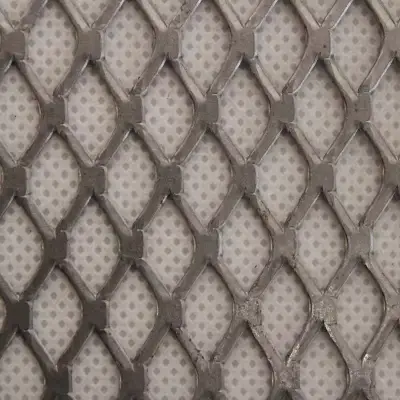
The Perf-O Grip grating is a single-piece metal plank that is made of a single sheet that has formed side channels at its edge. A perforated button surface provides a slip-resistant walking surface that is accessible in all directions. There is an open area of approximately 35% which allows fluids, ice, and mud to move freely through the grating. Consequently, the walking surface of Perf-O Grip is flexible and cushioned, which in turn reduces worker fatigue and increases plant productivity.
 

Benefits of Perf-O Grip

 
Perf-O Grip is a specialized safety grating known for its remarkable features and advantages. Its benefits extend to various industries and applications, making it a preferred choice for enhancing workplace safety. 
 
1.Exceptional Slip Resistance:
 
Perf-O Grip is designed to provide unmatched slip resistance. Its pattern of small, round holes and raised perforated buttons creates a textured surface that enhances traction. This quality is particularly valuable in environments where the risk of slips and falls is a concern, especially in wet or oily conditions.
 
2.Durability and Longevity:
 
Perf-O Grip is constructed from durable materials like steel, aluminum, or stainless steel. This robust construction ensures the safety grating can withstand the test of time and resist wear, corrosion, and impact. It's well-suited for both indoor and outdoor applications, including those exposed to harsh weather conditions.
 
3.Versatile Applications:
 
Perf-O Grip's adaptability and versatility make it suitable for a wide range of applications. It can be used in construction sites, transportation hubs, manufacturing facilities, utilities, offshore platforms, and more. Its customization options, including material, size, and finish, allow it to be tailored to specific project requirements.
 
4.Comfort and Safety:
 
In addition to providing slip resistance, Perf-O Grip offers a comfortable and secure walking surface. Its perforations allow for drainage, reducing the risk of standing water, which can lead to slips and falls. This combination of comfort and safety is highly valued in environments with high foot traffic.
 
5.Compliance with Safety Standards:
 
Perf-O Grip is designed to meet safety standards and regulations. This ensures that it complies with industry-specific safety requirements, providing peace of mind to businesses and project managers.
 
6.Easy Installation:
 
Perf-O Grip is relatively easy to install, making it a practical choice for projects with time constraints. Its straightforward installation process saves both time and labor costs.
Reduces Maintenance:
 
Due to its durability and resistance to wear and corrosion, Perf-O Grip requires minimal maintenance. This means lower ongoing costs and fewer disruptions to business operations.
 
7.Proven Track Record:
 
Perf-O Grip has a history of success in various industries and applications. Its proven track record of enhancing safety and performance makes it a reliable choice for businesses and projects.
 
8.Cost-Effective Safety Solution:
 
The long-term durability and reduced maintenance needs of Perf-O Grip contribute to its cost-effectiveness. It's an investment in safety that offers lasting benefits.
 
perf-o grip walkway
 

Applications of Perf-O Grip Safety Grating

 
Here are some common applications of Perf-O Grip Safety Grating:
 
1.Perf-O Grip Walkway: Perf-O Grip is often used as a secure walking surface on elevated walkways, catwalks, and pedestrian bridges. Its slip resistance and drainage capabilities make it ideal for ensuring safe passage in industrial and commercial environments.

2.Perf-O-Grip Stair Treads: Stairs are high-risk areas for slips and falls, but Perf-O Grip Safety Grating provides secure footing on stair treads. It is used in both indoor and outdoor staircases to enhance safety.

3.Platforms and Mezzanines: In manufacturing facilities, warehouses, and industrial settings, platforms and mezzanines are common. Perf-O Grip is used to create durable and slip-resistant platforms, ensuring the safety of workers and visitors.

4.Construction Sites: Construction sites often involve working at elevated heights. Perf-O Grip Safety Grating is employed on scaffolding, access platforms, and temporary walkways to provide a secure footing for construction workers.

5.Transportation: Perf-O Grip is used in transportation hubs, such as airports, train stations, and bus terminals. It provides safe and slip-resistant flooring for passengers as they move through these high-traffic areas.

6.Utilities and Power Plants: In utility facilities and power plants, where heavy machinery and equipment are present, Perf-O Grip Safety Grating offers a durable and reliable safety solution. It can be used on walkways, access platforms, and maintenance areas.

7.Offshore and Marine: On ship decks and offshore platforms, where exposure to saltwater and harsh weather conditions is common, Perf-O Grip's corrosion resistance and durability make it a preferred choice for enhancing safety in marine environments.

8.Oil and Gas Industry: In oil refineries, drilling rigs, and processing plants, Perf-O Grip Safety Grating is used to provide secure walkways and work platforms in areas where hazardous materials are present.

9.Industrial Facilities: Perf-O Grip is suitable for a wide range of industrial applications, including chemical plants, food processing facilities, and manufacturing plants. It enhances worker safety in areas with high foot traffic and potential slip hazards.

10.Water Treatment Plants: In water treatment and wastewater facilities, Perf-O Grip Safety Grating is used on walkways, catwalks, and access points to ensure worker safety in damp and potentially slippery conditions.
 

In Summary

 
Perf-O Grip Safety Grating is a leading choice when it comes to ensuring safety, durability, and versatility in a wide array of applications. With unmatched slip resistance, outstanding durability, and adaptability, it excels in providing a secure environment in industrial, commercial, and outdoor settings. Whether you're looking for a dependable solution for walkways, stair treads, or platforms, Perf-O Grip Safety Grating is a sound investment in safety.

Incorporating Perf-O Grip Safety Grating into your projects means prioritizing safety without compromising on durability or flexibility. Choose a trusted solution that has proven its mettle in various industries and enjoy the peace of mind that comes with a safer workplace.
 
Huijinmaterials has a full portfolio of safety grating solutions to support a wide variety of applications.
 
click hereto read the original article.
Read more…

Radial Capacitor Vs Axial Capacitor

Capacitors, fundamental components in electronic circuits, play a crucial role in energy storage and signal processing. They come in various types and sizes, each designed for specific applications.Axial and radial lead capacitors are two common types of capacitors that differ in their lead orientation. In this article, we will explain the differences between axial and radial lead capacitors, including their construction, applications, advantages, and disadvantages.
 

What Is Axial Lead Capacitor?

 
An axial lead capacitor is a type of capacitor in which the two metallic terminals are aligned along the same axis, usually in a cylindrical or tubular shape. Copper leads protrude from the capacitor body at either end and are usually tinned or silver-plated. Ceramic, polyester, polypropylene, and other materials are commonly used to make capacitor dielectrics, and metal foil or film is used to make electrodes.

Axial lead capacitors are commonly used in electronic circuits for filtering, decoupling, timing, and other purposes. Their size is relatively small, so they are easily mounted on printed circuit boards (PCBs) or soldered to wires or terminals. They have the following advantages:
 
Low inductance: The utilization of an axial lead configuration translates into reduced inductance when compared to various capacitor types, rendering them advantageous for high-frequency applications.

High reliability: Axial lead capacitors are characterized by their sturdy construction, granting them the ability to endure elevated temperatures, shock, and vibration. This robustness makes them well-suited for deployment in challenging and demanding environments.

High capacitance values: Axial lead capacitors are capable of achieving substantial capacitance values, extending to several thousand microfarads. This attribute renders them ideal for applications requiring significant energy storage capabilities.
 
An axial lead capacitor has the following disadvantages:

Restricted voltage rating: Axial lead capacitors are equipped with a limited voltage rating, commonly extending to a few hundred volts. This limitation constrains their application in high-voltage circuits.

Narrow temperature range: Axial lead capacitors come with a confined temperature range, typically up to 125°C. This range might not meet the requirements of certain industrial or automotive applications with more extensive temperature demands.

Polarization: Some axial lead capacitors exhibit polarization, necessitating precise connection of their positive and negative terminals within the circuit. This requirement may entail supplementary circuitry or labeling to prevent incorrect connections.
 

What Is Radial Lead Capacitor ?

 
Typically, radial lead capacitors are shaped as discs or cylindrical tubes with two metallic terminals oriented perpendicular to the capacitor body. A capacitor dielectric and electrodes are similar to those used in axial lead capacitors. The leads are usually tinned or silver-plated copper wire and are located at opposite sides of the capacitor body.

The use of radial lead capacitors in electronic circuits for filtering, decoupling, timing, and other purposes is also common. Radial lead capacitors are slightly larger than axial lead capacitors and are easy to mount on PCBs or solder onto wires or terminals. Some of their advantages include:
 
Elevated voltage rating: Radial lead capacitors are capable of achieving a higher voltage rating than axial lead capacitors, frequently reaching several thousand volts. This elevated rating renders them well-suited for high-voltage circuits.

Extensive temperature range: Radial lead capacitors exhibit the ability to function across a broad temperature spectrum, typically extending up to 150°C or beyond. This adaptability makes them a fitting choice for industrial or automotive applications with diverse temperature requirements.

Non-polarized: The majority of radial lead capacitors are non-polarized, meaning they can be connected to the circuit in any orientation. This simplifies their utilization and reduces the risk of incorrect connections.
 
An radial lead capacitor has the following disadvantages:
 
Bulky Design: Radial lead capacitors tend to have a relatively bulky design, which can pose challenges when space is limited within electronic circuits.

Mounting Limitations: Their design necessitates horizontal PCB mounting, which may not be suitable for all circuit layouts, limiting their flexibility in certain applications.

Lower Voltage Ratings: In comparison to some other capacitor types, radial lead capacitors often have lower voltage ratings, which restricts their use in high-voltage applications.
 

What Is the Difference Between Axial and Radial Lead Capacitors?

 
Axial and radial lead capacitors are two common types of electrolytic capacitors, and they differ primarily in the orientation of their leads (the metal wires extending from the capacitor). Here are the key differences between axial and radial lead capacitors:
 
Axial Lead Capacitors:
 
  1. Lead Orientation: Axial capacitors have two leads emerging from opposite ends of the capacitor body. This orientation allows them to be inserted through holes in a printed circuit board (PCB) in a straight line.
  2. Circuit Mounting: Axial lead capacitors are ideal for through-hole mounting on a PCB. They are inserted into holes on the board and soldered in place.
  3. Compact Design: Axial capacitors typically have a more cylindrical, compact design. This design can be advantageous when space is limited.
  4. Polarized and Non-Polarized: Axial capacitors can be either polarized (with a positive and a negative lead) or non-polarized (with two equivalent leads). Non-polarized axial capacitors can be connected in any orientation, while polarized ones must be connected with the correct polarity.
  5. Applications: They are commonly used in applications where the leads need to pass through the PCB, such as in vintage electronics, audio equipment, and older PCB designs.
 
Radial Lead Capacitors:
 
  1. Lead Orientation: Radial capacitors also have two leads, but both leads emerge from the same end of the capacitor body. The leads are oriented in a radial (side-by-side) fashion.
  2. Circuit Mounting: Radial lead capacitors are typically mounted horizontally on the surface of the PCB. This surface mounting style is different from axial capacitors, which penetrate through the PCB.
  3. Design and Size: Radial capacitors often have a bulkier design, which may not be suitable for applications with limited space on the PCB.
  4. Non-Polarized: Most radial capacitors are non-polarized, meaning they can be connected in any orientation without regard to polarity.
  5. Applications: Radial lead capacitors are commonly used in a wide range of electronic devices, including power supplies, amplifiers, and various electronic equipment.
 
In summary, the primary difference between axial and radial lead capacitors lies in the orientation of their leads and how they are mounted on a circuit board. The choice between the two depends on the specific requirements of your circuit design and available space on the PCB. Additionally, the polarity of the capacitor (polarized or non-polarized) is an important consideration when selecting the appropriate type for your application.

As an electronic components supplier, Joinwinchips provides a wide range of radial leaded capacitors to cater to your specific needs across various applications. We welcome you to get in touch with us to explore our offerings and find the perfect capacitors for your projects.
Read more…

Teeth Matters: Evaluating Saw Blade Effectiveness

In the world of woodworking and metalworking, the choice of a saw blade plays a pivotal role in determining the quality and efficiency of the cut. One common question that often arises is whether more teeth on a saw blade equate to better performance. In this article, we delve into the intricacies of saw blades, exploring the relationship between tooth count and cutting capabilities.

5ae807749c984b6fee508bc52b517c5541a1a339.pnghttps://bsptools.com/wp-content/uploads/2023/12/图片-1-350x263.png 350w, https://bsptools.com/wp-content/uploads/2023/12/图片-1-165x124.png 165w, https://bsptools.com/wp-content/uploads/2023/12/图片-1-24x18.png 24w, https://bsptools.com/wp-content/uploads/2023/12/图片-1-36x27.png 36w, https://bsptools.com/wp-content/uploads/2023/12/图片-1-48x36.png 48w" alt="" width="950" height="712" />


Saw Blades

Saw blades come in a variety of shapes and sizes, each designed for specific applications. From ripping through lumber to delicately slicing through intricate patterns, the choice of a saw blade can significantly impact the outcome of a project. One critical factor that woodworkers and craftsmen consider is the number of teeth on a saw blade.

Tooth Count Basics

The tooth count of a saw blade refers to the number of teeth per inch (TPI) or per centimeter, depending on the unit of measurement. Blades with a higher tooth count generally produce smoother cuts but may sacrifice speed, while lower tooth count blades are ideal for quick, rough cuts.

Rip Cuts vs. Crosscuts

The type of cut required is a key determinant in choosing the appropriate tooth count for a saw blade. Rip cuts, which involve cutting along the grain of the material, benefit from blades with fewer teeth. In contrast, crosscuts, where the blade moves across the grain, are better executed with blades featuring a higher tooth count.

Fine Finish vs. Speed

Woodworkers often find themselves at a crossroads when balancing the need for a fine finish with the desire for speedy completion. High tooth count blades, commonly referred to as “finish blades,” are perfect for achieving smooth finishes on materials like plywood and hardwood. On the other hand, low tooth count blades, known as “ripping blades,” excel in quickly plowing through thicker materials.

Material Matters

The type of material being cut also influences the optimal tooth count for a saw blade. Softer materials like pine or cedar may not require as many teeth for a clean cut, while denser hardwoods demand a higher tooth count to prevent tear-out and splintering.

The Myth of More Teeth

While the conventional wisdom suggests that more teeth on a saw blade translate to better performance, it’s essential to recognize the nuanced nature of this relationship. More teeth do not always equate to better results; rather, the appropriateness of a blade’s tooth count depends on the specific task at hand.

Factors Influencing Tooth Count

8b4db4ff1316112e98437e6a2c92c5e55d277b93.pnghttps://bsptools.com/wp-content/uploads/2023/12/图片-2-350x233.png 350w, https://bsptools.com/wp-content/uploads/2023/12/图片-2-165x110.png 165w, https://bsptools.com/wp-content/uploads/2023/12/图片-2-24x16.png 24w, https://bsptools.com/wp-content/uploads/2023/12/图片-2-36x24.png 36w, https://bsptools.com/wp-content/uploads/2023/12/图片-2-48x32.png 48w" alt="" width="950" height="633" />

  1. Material Hardness:

Softer materials often require fewer teeth for efficient cutting, while harder materials benefit from a higher tooth count to reduce the risk of tear-out.

  1. Cutting Speed:

The speed at which a cut needs to be made plays a crucial role. Projects requiring quick, rough cuts may lean towards lower tooth count blades, while precision work may necessitate the use of higher tooth count blades.

  1. Type of Cut:

As mentioned earlier, the type of cut – whether it’s a rip cut or a crosscut – significantly influences the ideal tooth count. Understanding the nature of the cut helps in choosing the right blade.

  1. Blade Design:

Different blade designs, such as alternate top bevel (ATB), triple chip grind (TCG), or flat top grind (FTG), can impact the cutting performance. The combination of tooth design and count is crucial in achieving the desired results.


Conclusion

In the realm of saw blades, the belief that more teeth automatically lead to better results is a simplification of a complex issue. While tooth count is undoubtedly a crucial factor, it is just one of many considerations that craftsmen and woodworkers must weigh when selecting a saw blade. The key lies in understanding the nuances of the task at hand, the characteristics of the material being cut, and the desired outcome.

Ultimately, the best saw blade is the one that aligns with the specific requirements of the project. Whether it’s a high tooth count for a fine finish or a low tooth count for rapid material removal, the informed craftsman recognizes that the optimal choice depends on a careful evaluation of various factors. In the dynamic world of sawing, where precision meets power, the quest for the perfect cut is an art that goes beyond the mere count of teeth on a blade.

 
Read more…

Auto body repair is an art that demands precision, patience, and the right tools. Among these tools, sandpaper plays a crucial role in achieving a smooth and flawless finish. Choosing the right sandpaper for auto body repair can be a daunting task with the myriad of options available in the market. In this comprehensive guide, we will delve into the intricacies of selecting the appropriate sandpaper for different stages of auto body repair, ensuring that you achieve professional-quality results.


Understanding Grits

Grit is the primary factor to consider when choosing sandpaper. Grit refers to the size of the abrasive particles on the sandpaper. The numbering system for grit is standardized, with lower numbers indicating coarser grits and higher numbers representing finer grits. In auto body repair, you’ll typically use a range of grits to progress through different stages of the repair process.

  • Coarse Grits (40-120):

Coarse grit sandpapers, ranging from 40 to 120, are used for heavy material removal. These grits are ideal for tasks such as removing paint, rust, and rough imperfections from the auto body surface. Use them during the initial stages of repair when a significant amount of material needs to be taken off.

  • Medium Grits (150-320):

Medium grit sandpapers, ranging from 150 to 320, are suitable for smoothing surfaces and refining the work done with coarse grits. They are effective for leveling out scratches left by coarser grits and preparing the surface for finer sanding. This stage is crucial for achieving a uniform and consistent surface.

  • Fine Grits (400-600):

Fine grit sandpapers, ranging from 400 to 600, are employed for preparing the surface for painting. They help in removing any remaining scratches, smoothing out imperfections, and creating a surface that promotes better paint adhesion. This stage is vital for achieving a professional-looking finish.

  • Very Fine Grits (800 and above):

Very fine grit sandpapers, typically 800 and above, are used for the final sanding before painting. They are excellent for polishing the surface and creating a smooth canvas for the paint to adhere to. This stage is critical for achieving a flawless and mirror-like finish on the auto body.


Understanding Abrasive Types

Sandpapers come with different types of abrasives, and each type has its specific applications in auto body repair.

  • Aluminum Oxide:

Aluminum oxide is a versatile abrasive commonly used in auto body repair. It is durable and suitable for various tasks, including paint removal and smoothing surfaces. It works well on both metal and fiberglass surfaces.

  • Silicon Carbide:

Silicon carbide is a harder abrasive that works exceptionally well for sanding hard materials like metal. It is often used for wet sanding and is effective in achieving a fine finish. Silicon carbide is an excellent choice for final sanding before painting.

  • Garnet:

Garnet abrasives are natural and less aggressive than aluminum oxide and silicon carbide. They are suitable for finer sanding tasks and are often used for wood surfaces. While not as commonly used in auto body repair, they can be effective for certain applications.


Backing Material

In addition to grit and abrasive type, the backing material of the sandpaper is another crucial consideration.

  • Paper Backing:

Paper-backed sandpaper is the most common type and is suitable for most auto body repair applications. It is flexible and conforms well to curves and contours, making it ideal for sanding intricate areas.

  • Cloth Backing:

Cloth-backed sandpaper is more durable than paper-backed options. It is tear-resistant and works well for heavy-duty sanding tasks. Cloth-backed sandpaper is suitable for rough shaping and material removal.

  • Film Backing:

Film-backed sandpaper is waterproof and provides a consistent finish. It is often used for wet sanding applications and is resistant to tearing. Film-backed sandpaper is ideal for achieving a high-quality finish on auto body surfaces.


Choosing the Right Sandpaper for Specific Auto Body Tasks

  1. Paint Removal:

When removing old paint, especially multiple layers, start with coarse grit sandpaper (40-80) to efficiently strip away the paint. Follow up with medium grit (120-220) to smooth the surface and prepare it for the next stages of repair.

  1. Surface Smoothing:

For smoothing out imperfections, scratches, or uneven surfaces, use medium grit sandpaper (150-320). This step is crucial for creating a uniform and level surface before progressing to finer grits.

  1. Preparing for Painting:

Fine grit sandpaper (400-600) is ideal for preparing the surface for painting. It removes any remaining scratches, provides a smooth finish, and ensures proper paint adhesion. Ensure that the surface is free of dust and contaminants before painting.

  1. Final Sanding before Painting:

Very fine grit sandpaper (800 and above) is used for the final sanding before painting. This stage is about achieving a flawless finish and creating an optimal surface for the paint to adhere to. Consider wet sanding for an even smoother result.


Tips for Efficient Sanding

  1. Use the Right Technique:

Sand with a steady and even pressure, moving in the direction of the grain for metal surfaces. Avoid applying excessive pressure, as it can lead to uneven sanding and damage to the surface.

  1. Change Sandpaper Regularly:

As sandpaper wears down, it becomes less effective. Change to a fresh piece regularly to ensure consistent and efficient sanding.

  1. Consider Wet Sanding:

Wet sanding involves using water to lubricate the sandpaper, reducing heat and preventing clogging. It is particularly effective for achieving a smooth finish and is commonly used in the final stages before painting.

  1. Protect Yourself:

Wear appropriate safety gear, including a mask to protect against dust inhalation, safety glasses, and gloves. Proper ventilation is also essential when working with sandpaper to minimize exposure to airborne particles.


Conclusion

Choosing the right sandpaper for auto body repair is a crucial step in achieving professional results. Understanding grits, abrasive types, and backing materials, along with considering the specific requirements of each task, will empower you to make informed decisions. With the right sandpaper and proper technique, you can navigate the complexities of auto body repair and transform your vehicle into a masterpiece of craftsmanship.

Read more…
Christmas is just around the corner, let’s not forget our furry friends around us. Choose a special Christmas gift for your pet to make them feel warm and happy this holiday season. Here are 12 of the best pet Christmas gifts to make your furry friend the star of the holiday season.
Read more…

Don't Worry About Tomorrow

12314421875?profile=RESIZE_710xHow do we keep from worrying? Matthew records the answer that Jesus said about it. He gave us a very simple concept, but it's not that easy for many people. We tend to try to do things on our own instead of relying on the Lord. Click on the link below to read what Jesus said. #BibleStudy #Devotions #Discipleship #Matthew

https://www.ramckinley.com/dont-worry-about-tomorrow/

Read more…

Imagine harnessing the limitless power of the sun to fuel your home, power your appliances, and even contribute excess energy back to the grid. It's a vision shared by many as solar energy continues to gain prominence as a clean, sustainable power source. If you've taken the plunge into the world of solar panels or are considering it, you're already on a path to a greener, more energy-efficient future.

However, as you delve deeper into the realm of solar energy, you'll encounter a critical component that often remains in the shadows – the solar panel charge controller. It's a small, yet mighty device that plays a pivotal role in ensuring your solar panel system operates efficiently and effectively.

In this comprehensive guide, "Solar Panel Charge Controller: Everything You Need to Know," we will shed light on this often-overlooked hero of your solar setup. From understanding the fundamental purpose of a charge controller to demystifying the necessity of one for each solar panel, and from calculating the number of solar panels your charge controller requires to choosing the perfect controller for your system, we've got you covered.

So, whether you're a solar enthusiast eager to optimize your existing setup or a beginner looking to take the first step toward a greener tomorrow, let's embark on a journey to unravel the mysteries and intricacies of solar panel controllers. By the end of this article, you'll be armed with the knowledge needed to make informed decisions about your solar energy system and unleash its full potential.

Let's begin by demystifying the role of the solar panel charge controller and why it's a crucial component of your solar power system.

What Is Solar Panel Charge Controller?


A solar panel charge controller, often simply referred to as a charge controller, is a critical component of a solar power system. Its primary function is to regulate and manage the power flow between the solar panels, the battery or batteries, and the electrical loads in a solar energy system. This essential device ensures the efficient and safe operation of the entire system.


What Does a Charge Controller Do for a Solar Panel?


Here's what a charge controller does for a solar panel system:


  • Overcharge Protection: One of the primary functions of a charge controller is to protect the batteries in the solar panel system from overcharging. When the batteries are fully charged, the charge controller reduces or disconnects the flow of electricity from the solar panels to prevent the batteries from being overcharged. Overcharging can damage the batteries and reduce their lifespan.
  • Deep Discharge Protection: Charge controllers also prevent deep discharging of batteries. They monitor the battery voltage and disconnect the load when the battery voltage drops to a certain predefined level. Deep discharging can harm batteries, so the charge controller ensures that the batteries remain at a safe voltage level.
  • Battery Maintenance: Charge controllers help maintain the overall health of the batteries by ensuring they are charged properly. This extends the lifespan of the batteries, reducing the need for frequent replacements.
  • Optimizing Power Output: Charge controllers optimize the power output from the solar panels by regulating the voltage and current supplied to the batteries. They ensure that the solar panels operate at their maximum power point, which results in efficient energy conversion.
  • Load Control: Some charge controllers have the capability to control and manage the electrical loads in the system. This can be useful for turning on or off specific appliances or loads based on the battery's state of charge.
  • Temperature Compensation: In certain environments, temperature can affect the performance of the solar panels and batteries. Advanced charge controllers may incorporate temperature sensors to adjust the charging parameters based on the prevailing temperature conditions.

Does Each Solar Panel Need a Charge Controller?


Charge controllers may not be a requisite component for every solar panel system. However, they become indispensable when dealing with off-grid solar-plus-storage setups. Their primary role is to ensure that batteries do not suffer from overcharging or deep discharging, especially during periods of solar panel inactivity. If your solar system is grid-tied, the need for a charge controller diminishes since surplus power is automatically channeled away from your battery system and back into the grid.


How to Choose the Best Solar Charge Controller for Your System?


Choosing the right solar panel charge controller for your system is essential to ensure efficient and safe operation. Here's a step-by-step guide on how to make the best choice:

1.Identify Your System Type:

Determine whether your solar panel system is grid-tied or off-grid. Grid-tied systems typically don't require a charge controller because excess power is sent back to the grid. Off-grid systems with battery storage are the primary candidates for charge controllers.


2.Determine Battery Voltage:

Find out the voltage of your battery bank. Charge controllers are available in various voltage ratings, so it's crucial to select one that matches your battery voltage. Common battery voltages include 12V, 24V, and 48V.
 
3.Check Solar Panel Voltage:

Examine the voltage of your solar panels. Charge controllers must be compatible with the voltage produced by your solar panels. If you have multiple panels connected in series, the voltage may be higher.
 
4.Consider Battery Type:

Know the type of batteries you're using, such as lead-acid, lithium-ion, or another type. Some charge controllers are specifically designed to work with certain battery chemistries, so ensure compatibility.
 
5.Select Charge Controller Type:

Choose between two main types of charge controllers: Pulse Width Modulation (PWM) and Maximum Power Point Tracking (MPPT). MPPT controllers are more efficient and suitable for systems with higher voltage panels, while PWM controllers are cost-effective for smaller setups.
 
6.Assess System Size and Load:

Consider the overall size of your solar panel system and the electrical loads it will support. This information helps you determine the current capacity (in amps) your charge controller should handle. Make sure the controller's current rating matches or exceeds your system's requirements.
 
7.Environmental Considerations:

Evaluate the environmental conditions of your installation site, especially if it experiences extreme temperatures or weather conditions. Some charge controllers are designed to operate in harsh environments and can withstand temperature variations.
 
8.Budget Constraints:

Keep your budget in mind. MPPT controllers are generally more expensive than PWM controllers, so choose one that aligns with your financial constraints.
 
9.Consider Future Expansion:

If you plan to expand your solar panel system in the future, ensure the charge controller can accommodate the increased capacity. Select a controller with room for growth.
 
10.Seek Professional Advice:

If you're uncertain about your choice, consult with a solar energy professional or contact the charge controller manufacturer for expert guidance.
 
Helios-ne PWM solar charge controllers are available in a variety of models, each of which is associated with a specific charge rating and other characteristics. Click on any of the products to learn more about their charges and ratings, battery support, meter display, and load/lighting control functions.
 
View Our Full List of Charge Controller Models
Read more…
In electronics assembly, reflow soldering involves applying solder paste to contact pads on printed circuit boards (PCBs). As the solder paste undergoes heating in order to establish electrical connections, it serves as the medium for attaching electrical components to the board. During the process of reflowing, the solder paste is heated in order to establish electrical connections.
 
The main difference between reflow soldering and traditional soldering is the absence of a soldering iron. Instead, heated air is used to liquefy the solder and facilitate component integration.

All components of the assembly are conveyed through a reflow oven equipped with an infrared lamp, which provides the heat needed to melt solder and bond electrical elements.

Moreover, the infrared lamp's temperature can be precisely controlled. By gradually increasing the temperature, a sudden rise in temperature can compromise solder joints and make them vulnerable to thermal shock. Thermal shock-related issues can be avoided through the implementation of reflow soldering.

In electronics assembly, reflow soldering involves applying solder paste to contact pads on printed circuit boards (PCBs). As the solder paste undergoes heating in order to establish electrical connections, it serves as the medium for attaching electrical components to the board. During the process of reflowing, the solder paste is heated in order to establish electrical connections.
 
The main difference between reflow soldering and traditional soldering is the absence of a soldering iron. Instead, heated air is used to liquefy the solder and facilitate component integration.

All components of the assembly are conveyed through a reflow oven equipped with an infrared lamp, which provides the heat needed to melt solder and bond electrical elements.

Moreover, the infrared lamp's temperature can be precisely controlled. By gradually increasing the temperature, a sudden rise in temperature can compromise solder joints and make them vulnerable to thermal shock. Thermal shock-related issues can be avoided through the implementation of reflow soldering.
 
In this comprehensive guide, we'll unravel the mysteries surrounding reflow soldering, exploring its inner workings, temperature requirements, and the tools that make it all possible. Join us as we delve into the pros of reflow soldering, and discover the essential tips for a flawless soldering process.
 

What Is Reflow Soldering?

 
Reflow soldering stands as the prevailing soldering technology within the microelectronics industry, primarily for the assembly of Surface Mounted Devices (SMDs). This process plays a pivotal role in the large-scale production of Surface Mount Devices, serving to establish their electrical and mechanical connections to Printed Wiring Boards (PWBs).

Preceding the actual reflow soldering procedure, a series of essential steps are executed. These include the application of solder paste onto the designated contact surfaces or pads of the PWB and the precise placement of components onto the deposited solder paste. Subsequently, the reflow process is initiated, subjecting the entire assembly to elevated temperatures surpassing the melting point of the solder alloy. As the temperature gradually decreases, the solder alloy solidifies, engendering the formation of robust and dependable solder joints.
 

Pros of Reflow Soldering

 
  • It is preferable for SMT assembly
  • It induces minimal thermal shock.
  • It is one of the most reliable soldering technique
  • It has options for limited soldering
  • It requires only a minimum level of monitoring
  • It results in reduced material wastage.
  • Specific PCB areas can be soldered using this technique.
 

Reflow Soldering Process and Tips

 
Reflow soldering stands as the foremost and extensively employed technique for connecting surface mount technology (SMT) components to a printed circuit board (PCB). This procedure centers on establishing satisfactory solder connections through the utilization of preheated components, affording the opportunity to melt the solder without incurring damage from excessive heat.

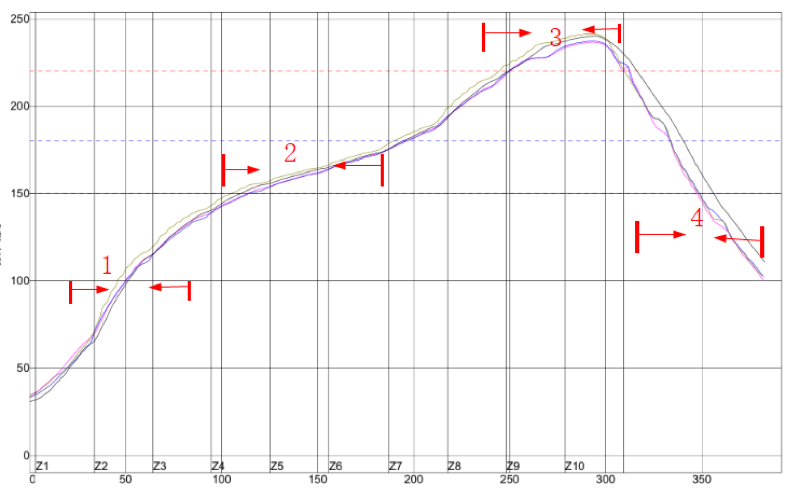
In order to craft an appropriate reflow profile, thermocouples are affixed to a basic assembly, often utilizing high-temperature solder, positioned at various locations to gauge the temperature variations across the PCB.

Please take note of the following recommendation: It is advisable to place a thermocouple on the pad located at the front edge of the printed board and another thermocouple towards the board's center. This method of assessing temperature differentials across the board through thermocouples is commonly referred to as "DeltaT."

The reflow profile encompasses four key phases of the process that require your vigilant consideration:
 
  • Proheat- As part of this process, the printed circuit board, components, and solder are heated to a specific dwell temperature or soak temperature, and the main aspect is not to heat the components or solder too rapidly (usually no more than +2 degrees per second). As a result of fast heating, component defects may occur, such as slattering or cracking of solder paste.
  • Soak- During this part of the process, the components are allowed to reach the required temperature before going on to the next reflow stage. The soaks usually last between 60 and 120 seconds.
  • Reflow-To form a liquid solder paste in the oven, the temperature is raised above its melting point. To ensure that "wetting" occurs between the printed board and the components, the solder must be held above the melting point temperature for a period of time (time above liquidus). To prevent brittle solder joints, the time should not exceed 30 to 60 seconds. It is also important to know that the peak temperature has to be strictly controlled as many of the components can fail if exposed to excessive heat. If the reflow profile does not provide sufficient heat, it will result in bad solder joints, which is one of the most common defects.
  • Cooling- It is not healthy to heat the assembly rapidly, so make sure to never cool it down too rapidly, because it could cause malfunctions. The recommendation is to keep cooling above 3 degrees a second.
 

Reflow Soldering Temperature Requirements

 
The printed circuit board (PCB) industry encompasses a diverse array of components that necessitate specific reflow temperatures.

In the case of Sn/Pb solders, the melting point temperature generally reaches its zenith between 215°C to 245°C, with a duration of approximately 20-60 seconds above 183 degrees.

For lead-free soldering, the reflow temperature should attain 260°C.

Reflow soldering ovens commonly feature distinct temperature zones, with periodic adjustments in temperature following a predetermined curve. These adjustments are made in accordance with the assembly's particulars and temperature prerequisites.

Hvttec has a reflow soldering oven with 8 temperature zones which can be used for reflow soldering.

Suitable Machines and Equipment

 
The preferred method for reflow soldering involves employing an industrial convection oven to attach surface mount technology (SMT) components onto a printed circuit board (PCB).

A wide array of reflow soldering machines exists, each specializing in distinct designs, processing speeds, materials, and PCB specifications. It is crucial for the oven to be of an appropriate size to seamlessly accommodate the production pace of the pick-and-place equipment.

Here's a method for calculating the production line speed:
 
reflow soldering line speed
 
Once you have determined the line speed, it becomes straightforward to identify the appropriate chamber and heated length necessary to meet your workflow demands. If you encounter any issues, you can seek assistance from Hvttec.
 

Best Reflow Soldering Machine Manufactuer--Hvttec

 
Hvttec is the leading manufacturer of reflow soldering machines. The company's reflow soldering ovens meet all customer requirements. With them, you can receive assemblies that exceed your expectations.

Here are some reasons why to choose Hvttec:
 
  • They utilize nitrogen reflow soldering to efficiently avert oxidation.
  • They possess the capability to reflow solder a wide range of printed circuit boards, including those that are lead-free.
  • They employ cutting-edge machinery and technology, including 30 Panasonic and Yamaha SMT lines, German ERSA selective wave soldering, solder paste inspection using 3DSPI, AOI (Automated Optical Inspection), X-ray, and more.
  • Prior to assembly, they conduct a meticulous and complimentary review of your bill of materials.
  • They perform functional testing of the PCBA (Printed Circuit Board Assembly) before delivering it to you.
  • They offer comprehensive component sourcing services, ensuring all the necessary components in your bill of materials are readily available for assembly.
 

Conclusion

 
Reflow soldering demands the utmost precision and meticulous attention. If you've gone through the entire article, you should now have a comprehensive understanding of nearly every facet of reflow soldering.

Hvttec offers top-notch PCB assembly services characterized by precise component placement and flawless soldering. Whether your order is small or substantial, Hvttec is equipped to handle your assembly requirements. If you have any reservations, don't hesitate to click and request a free online quote.
Read more…

Christmas Is Coming

Greetings in The Mighty Name of Jesus, The Christ!!!


Christmas Is Coming


 Before I get started, I need to make somethings very, very clear, December 25th is NOT when Jesus, Our Savior and Lord was born. In fact there is no one on this Earth that knows the Day, Hour or even the Year that Jesus was born. The only ones would have been Mary and Joseph as far as Human Beings, the rest would have been the Host Of Heaven.


December 25th was a date that the Catholic Church and Pagan Worshipers came to an agreement on to bring peace, to bring unity.


It is believed that Our Lord Jesus was born sometime in the Spring, not Fall or Winter, the only one that know for sure now is The God Head and Angles. No one else present or future no’s the day. The only thing that we Might be sure of is that Jesus was visited by the Wise Men in the evening because of the Star that led them.


The other thing is that when the Wise Men found Jesus, we do not know how old Jesus was, Jesus could have been up to Two Years Old.


Matthew 2:1, 4-5, 8 KJV

 "1 Now when Jesus was born in Bethlehem of Judaea in the days of Herod the king, behold, there came wise men from the east to Jerusalem, ... 4 And when he had gathered all the chief priests and scribes of the people together, he demanded of them where Christ should be born. 5 And they said unto him, In Bethlehem of Judaea: for thus it is written by the prophet, ... 8 And he sent them to Bethlehem, and said, Go and search diligently for the young child; and when ye have found [him], bring me word again, that I may come and worship him also."


The Day and Time of Jesus Birth is Estimated even by the Wise Men seeking Him. The know by Prophecy Where, they know by Prophecy what was Jesus Purpose for coming, in general.


This is something that Humans have messed up since the beginning of Christmas and will continue to do so until Jesus comes back for His Bride.


Another important part that tells us that we have no idea when Jesus was born…


Matthew 2:11, 13, 16 KJV

"11 And when they were come into the house, they saw the young child with Mary his mother, and fell down, and worshipped him: and when they had opened their treasures, they presented unto him gifts; gold, and frankincense, and myrrh. ... 13 And when they were departed, behold, the angel of the Lord appeareth to Joseph in a dream, saying, Arise, and take the young child and his mother, and flee into Egypt, and be thou there until I bring thee word: for Herod will seek the young child to destroy him. ... 16 Then Herod, when he saw that he was mocked of the wise men, was exceeding wroth, and sent forth, and slew all the children that were in Bethlehem, and in all the coasts thereof, from two years old and under, according to the time which he had diligently enquired of the wise men."


 The key in the above Scriptures is the “Young Child”, when the Wise Men found Jesus, He could have already been a year old or even approaching two, we simple do not know. But what you need to consider is that if The Father wanted us to know, then we would know without question.


Now comes the really hard part, even though the World for the most part celebrates Christmas, everyone celebrates Christmas for many, many different reasons. Most have a Knowledge that Jesus was born on this day, which now you know Jesus was Not Born On December 25th! But the bigger part of the World celebrates in giving each other Gifts as a gesture of Love or Friendship or acquaintance, in which has nothing to do with Our Savior’s Birth.


The notion of Giving Gifts comes with the event of the Wise Men finding Jesus, they brought with them all kinds of gifts that we do not know the fullness there of, but we seem to only focus on three, Gold, Frankincense and Myrrh, but I believe that whatever was the Most Valuable at that time, they Offered to Jesus, it  could have been just the three, we do not know exactly.


Matthew 2:11 KJV

“And when they were come into the house, they saw the young child with Mary his mother, and fell down, and worshipped him: and when they had opened their treasures, they presented unto him gifts; gold, and frankincense, and myrrh."


With that being said, we as The Blood Bought, The Born Again, should be Celebrating Jesus every day for the rest of our lives, should we be giving Jesus Praise, Glory and Honor with Our Lives!


Galatians 2:20 KJV

"I am crucified with Christ: nevertheless I live; yet not I, but Christ liveth in me: and the life which I now live in the flesh I live by the faith of the Son of God, who loved me, and gave himself for me."


The reason that the Day, Hour and Year are not important is that, it is only to be used as a Remembrance that Jesus was born of a Virgin, that Jesus was born by immaculate conception, that Mankind in it of itself had nothing to do with it.


I celebrate Christmas, but it is not because that is when Jesus was born, but that I give gifts to Loved Ones, Friends, to let them know of a Love that only Jesus could have given, I celebrate Christmas not because of the Time Of Year but only because it is a day chosen to give gifts of Love and Appreciation. My Gift to Jesus, is that I Live Every Day to the Fullest In Him that the World may know of the Gift Of Salvation is Present Every Day, to Every One, not just one day a year.


Most of those who go to a church to Celebrate Christmas are hypocrites, doing it for show or for entertainment and not for Jesus. When or even how long have you heard a conversation with Brothers and Sister that totally surrounded Jesus, but instead it is mostly of celebrations, get together to have their own pleasures in this World!


Christmas is a Man Made Holiday, if it were not, one, it would be specific in The Word and secondly, The World would not participate, but would be against such things. But Christmas has become one of the most Productive season of the years that the Rich get richer because of our ignorance. We buy Trees, Ornaments, Wrapping Paper, Ribbons, Tensile and gifts, all having nothing to do with Jesus. Many will speak it is because of Jesus, but where is truly the Heart Of The Matter…


Isaiah 29:13 KJV

“Wherefore the Lord said, Forasmuch as this people draw near [me] with their mouth, and with their lips do honour me, but have removed their heart far from me, and their fear toward me is taught by the precept of men:"


 Christmas, along with Thanksgiving, are two major focal points for the Needy, the Poor, the Homeless, there is something wrong with this picture, should it not be every day! Oh, that’s right, it is a time to Clear Our Conscience in saying that we have helped the helpless!


Do not get me wrong, I like giving, I like to hear the Christmas music, but shouldn’t that be something that I am used to doing every day???


Weigh your Hearts, your Thoughts are they Truly About Jesus or have you been caught up in a Worldly Presentation of Self Indulgence?


Let this be the Cry of every Blood Bought, Born Again…


Psalm 139:23-24 KJV

"23 Search me, O God, and know my heart: try me, and know my thoughts: 24 And see if [there be any] wicked way in me, and lead me in the way everlasting."


 Do you think that Jesus wants you to Celebrate His Birth One Day a Year…Is your Salvation for One Day A Year?


Amen and Amen!!!


Email: godsonlyfoundation@gmail.com

Website: ApostleLee.com

Read more…

🎉Congratulations Coach Prime!

Press Release: Deion Sanders Accepts 2023 Sportsperson of the Year Award

The Colorado football community honored Deion Sanders on Wednesday night after the influential first-year coach was named Sports Illustrated’s 2023 Sportsperson of the Year last week.

Around 4,500 Colorado fans, students and various other members of the community gathered at the CU Events Center to celebrate Sanders’s award and his inaugural season with the Buffaloes. His three sons, Colorado quarterback Shedeur, safety Shilo and Deion Jr. all attended the event, too. Former Buffaloes quarterback and NFL star Kordell Stewart was present as well.

Sanders received a standing ovation as he took the stage to give a speech to thank everyone for coming.

The coach also gave a specific shout-out to one particular fan—99-year-old Peggy Coppom, who has won the hearts of many for her strong support of the Buffaloes over the years. Sanders had one promise for her, too.

“It’s my challenge to that whole entire team. It’s my challenge to the coaching staff. It’s my challenge to the support staff of Amazon Prime Video. It’s my challenge to Sports Illustrated that we’re gonna get Peggy to a bowl game next season.”

Those in attendance also got to see a sneak preview of Sanders’s new season of Coach Prime, which premieres on Friday on Amazon Prime Video.

The Buffaloes went 4–8 in Sanders’s first season with the team, but his influence off the field was something rarely seen in the college football space before him. Football games were sold out every home game for the first time in school history. Recruitment numbers at Colorado went up. And, the team brought in impressive television ratings, with a Sept. 23 loss to Oregon being one of the most-watched regular season games this year.

https://www.si.com/college/2023/12/07/deion-sanders-accepts-2023-sportsperson-of-the-year-award-colorado

#DeionSanders #iBelieve #SportsIllustrated #ColoradoBuffaloes #CoachPrime #PrimeTime #JC #Congratulations #HeyPapiPromotions 

Read more…

Lord Where Are You?

12311179052?profile=RESIZE_710xThe Israelites couldn't find God so they blamed Him for their direction in life and for the stubbornness of their hearts. By the end of the conversation, God told them and us who will receive His blessings and who won't. You'll want to click on the link below to read this powerful devotional post. #BibleStudy #Devotions #Evangelism #Isaiah

https://www.ramckinley.com/lord-where-are-you/

Read more…

When it comes to electrical work in your home or office, safety and precision are paramount. Whether you’re renovating a room, adding new outlets, or simply moving an existing one, drilling holes for electrical outlets is a common and necessary task. However, it’s important to approach this task with caution and follow the right steps to ensure a safe and efficient installation. In this comprehensive guide, we’ll walk you through the process of drilling holes for electrical outlets step by step.


Safety First

Before you start any electrical work, prioritizing safety is crucial. Here are some essential safety precautions to keep in mind:

  1. Turn Off the Power: Always turn off the power to the circuit you will be working on at the circuit breaker or fuse box. Use a voltage tester to double-check that the power is off before proceeding.
  2. Wear Protective Gear:Use safety goggles to protect your eyes and gloves to shield your hands. Additionally, it’s a good idea to wear a dust mask, especially if you’ll be working in a dusty area.
  3. Keep Workspaces Dry: Ensure that the area where you’ll be working is dry to prevent electrical accidents.


Gather the Necessary Tools and Materials

Before you start drilling holes for electrical outlets, gather the tools and materials you’ll need:

  • Drill:You’ll need a power drill with a hole saw attachment for cutting holes in the wall.
  • Hole Saw:Choose a hole saw that matches the size of the electrical box you’ll be using (common sizes include 1½”, 2″, and 4″).
  • Electrical Box: Select an appropriate electrical box for your installation, such as a single-gang or double-gang box.
  • Stud Finder: This tool will help you locate wall studs, which is essential for securing the electrical box.
  • Pencil: Use a pencil to mark the location of the outlet on the wall.
  • Measuring Tape: Measure the height and location of the outlet from the floor or other reference points.
  • Level: A level ensures that your outlet is installed perfectly straight and aligned.
  • Screws and Wall Anchors: You’ll need these to secure the electrical box to the wall.
  • Wire and Wiring Tools: Depending on your specific project, you may need electrical wiring and tools for connecting the outlet to the electrical circuit.


Step by Step to Drill Holes for Electrical Outlets

  1. Plan the Outlet Location

Before you start drilling, carefully plan the location of the electrical outlet. Consider the following factors:

  • Building Codes: Ensure you are in compliance with local building codes and regulations regarding outlet placement and spacing.
  • Convenience: Choose a location that is convenient for the intended use of the outlet. Consider the room layout and the placement of furniture and appliances.
  • Wall Studs: Make sure the chosen location allows for the installation of the electrical box between two wall studs. Wall studs provide the necessary support for the box.
  • Mark the Outlet Location

Once you’ve decided on the outlet’s location, mark it on the wall with a pencil. Use a measuring tape and level to ensure that the outlet is at the desired height and aligned correctly.

  1. Locate Wall Studs

Use a stud finder to locate the wall studs in the area where you plan to install the outlet. Knowing the positions of the studs is crucial, as you’ll need to secure the electrical box to them. Mark the edges of the studs with a pencil.

  1. Choose the Right Hole Saw

Select a hole saw that matches the size of the electrical box you’ll be using. The hole saw should be slightly larger in diameter than the box to provide enough room for the box to fit snugly into the wall.

  1. Drill the Hole

With the hole saw attached to your power drill, align the center of the hole saw with the marked location for the outlet. Start drilling slowly and steadily, ensuring that the hole saw remains level. Apply gentle pressure to avoid damaging the wall.

As you drill, be prepared for the following possibilities:1657ffcf8937198313e3dc0395d00da5cfec1bfe.pnghttps://bsptools.com/wp-content/uploads/2023/11/图片9-350x233.png 350w, https://bsptools.com/wp-content/uploads/2023/11/图片9-165x110.png 165w, https://bsptools.com/wp-content/uploads/2023/11/图片9-24x16.png 24w, https://bsptools.com/wp-content/uploads/2023/11/图片9-36x24.png 36w, https://bsptools.com/wp-content/uploads/2023/11/图片9-48x32.png 48w" alt="" width="350" height="233" />

  • Wall Material:Different wall materials (drywall, plaster, wood, etc.) may require different drilling techniquesand settings on your drill. Adjust accordingly to avoid excessive damage or mess.
  • Dust and Debris: Drilling creates dust and debris, so have a vacuum cleaner or a dust collector ready to clean up as you work.
  • Wall Thickness: Be aware of the thickness of the wall. You may need a longer hole saw or an extension for your drill to reach the necessary depth.

  6.  Check for Obstructions

After you’ve drilled the hole, use a flashlight to check the inside for any obstructions, such as wires, pipes, or other obstacles. Ensure that the path is clear for wiring.

  1. Install the Electrical Box

Insert the electrical box into the hole you’ve drilled, making sure it fits snugly. Secure the box to the wall studs using screws and wall anchors. Use a level to ensure the box is plumb and level.

  1. Wiring (if necessary)

If you’re installing a new outlet or moving an existing one, you’ll need to connect the wiring. Ensure you follow the correct wiring procedures and consult local electrical codes. If you’re not experienced with electrical work, it’s advisable to seek professional assistance.

  1. Attach the Outlet Cover Plate

Once the electrical box is secured and the wiring is in place, attach the outlet cover plate to the box. Make sure it’s aligned correctly and fastened securely.

  1. Turn on the Power

After completing the installation and double-checking your work, it’s time to turn the power back on at the circuit breaker or fuse box. Test the outlet to ensure it’s working correctly by plugging in a device.


Conclusion

Drilling holes for electrical outlets is a fundamental skill for any homeowner or DIY enthusiast. By following the step-by-step guide provided in this article and prioritizing safety, you can successfully and safely install electrical outlets in your home or workspace. Remember to adhere to local building codes and regulations, and if you’re unsure about any aspect of the installation, consider consulting a licensed electrician to ensure a safe and compliant installation. With the right tools, knowledge, and precautions, you can expand the electrical functionality of your space and enhance its convenience and usability.

 
Read more…

In the realm of abrasive product, resin fiber discs stand as stalwart companions, serving a myriad of applications, from metalworking to woodworking. These discs, with their reinforced fiber backing and resin-bonded abrasive grains, are designed for precision, efficiency, and durability. However, to unlock their full potential and ensure a prolonged operational life, meticulous attention must be given to their storage and handling. In this comprehensive guide, we will delve into the intricacies of resin fiber discs, exploring the best practices for their storage and handling to optimize performance and longevity.


What Are Resin Fiber Discs?

Resin fiber discs are indispensable tools in various industries, renowned for their versatility in material removal, blending, and finishing applications. The composition of these discs, featuring a robust fiber backing and abrasive grains bonded with resin, enables them to withstand high-speed operations and deliver consistent results. Available in a range of grit sizes and materials, resin fiber discs cater to diverse tasks in metal fabrication, woodworking, and other precision industries.


The Importance of Proper Storage:

  1. Climate Control:

Resin fiber discs are sensitive to environmental conditions, and their performance can be significantly affected by temperature and humidity fluctuations. Storing these discs in a climate-controlled environment within the recommended temperature range is crucial. Extreme temperatures can compromise the resin bonding and backing material, leading to diminished performance.

  1. Dry Storage:

Moisture, a common adversary for all types of grinding discs, poses a particular threat to resin-bonded discs. Exposure to humidity can degrade the adhesive properties of the resin, resulting in premature failure during use. Therefore, it is imperative to store resin fiber discs in dry conditions, preferably in well-ventilated areas. In instances where discs come into contact with water, thorough drying before use is essential.

  1. Avoiding Contamination:

Resin fiber discs should be stored away from chemicals, solvents, and any substances that might compromise their structural integrity. Contaminants can adversely affect the bonding agent, leading to reduced performance and potential safety hazards. A designated storage area free from such contaminants is ideal.

  1. Proper Labeling:

Organizing and clearly labeling storage areas for resin fiber discs facilitate easy identification of grit sizes, materials, and intended applications. This organizational strategy streamlines the selection process, preventing errors and optimizing operational efficiency. Well-labeled storage ensures that users can quickly access the right discs for specific tasks.


Best Practices for Handling Resin Fiber Discs:

  1. Inspecting for Damage:

Before use, a thorough inspection of each resin fiber disc is paramount. Look for visible signs of damage, including cracks, chips, or irregularities. Discard any discs that show compromised integrity, as they pose safety risks and are unlikely to perform as intended. Regular inspection is a proactive measure to maintain a safe working environment.

  1. Proper Mounting:

Following manufacturer guidelines for mounting resin fiber discs is crucial. Ensure that the arbor size matches the disc and use appropriate mounting flanges. Improper mounting can lead to uneven wear, excessive vibration, and diminished efficiency. Properly mounted discs contribute to smoother operations and extended disc life.

  1. Correct Grit Selection:

The selection of the appropriate grit size is fundamental to achieving desired results. Using a grit that is too coarse for finishing work or too fine for material removal can lead to suboptimal performance and unnecessary wear on the disc. Refer to guidelines and charts provided by manufacturers to make informed decisions based on the task at hand.

  1. Maintaining Balanced Operations:

Imbalanced operations can have adverse effects on both the tool and the workpiece. Excessive vibration and premature wear on resin fiber discs can result from improper alignment of the workpiece, tool, and disc. Ensuring proper alignment promotes balanced and efficient performance, minimizing wear and tear on the disc.

  1. Optimal Pressure and Speed:

Applying excessive pressure or operating at extremely high speeds can lead to overheating and premature wear of resin fiber discs. Adhering to manufacturer recommendations for pressure and speed settings is crucial. These recommendations are designed to deliver the best results while preserving the integrity of the disc and prolonging its operational life.


Conclusion:

As a key player in the realm of abrasive products, resin fiber discs, with their ability to deliver precision and efficiency, are indispensable tools in industries demanding high-performance abrasives. The careful consideration of storage and handling practices is essential for professionals seeking to maximize the efficiency and longevity of these discs. By implementing the guidelines outlined in this comprehensive guide, users can ensure that their resin fiber discs consistently deliver optimal results, maintain safety standards, and prove to be cost-effective tools in the long run. As industries continue to evolve, the emphasis on proper storage and handling practices becomes increasingly critical for those relying on resin fiber discs for their abrasive needs.

Read more…
Introduction: In a world where personalization is paramount, why settle for a one-size-fits-all solution, especially when it comes to your smile? Enter the age of custom teeth whitening products—an oral care revolution that meets each person's unique needs and preferences. Let’s delve into the exciting world of personalized pearly whites and discover how custom teeth whitening products can change the way we approach dental aesthetics.
Read more…

Drilling is a common task in various industries, from construction to mining and beyond. Whether you’re a professional tradesperson or a DIY enthusiast, you may encounter situations where a core bit gets stuck close to the surface during the drilling process. While this can be a frustrating and challenging problem, it’s essential to address it safely and effectively to avoid damage to your equipment and ensure a successful drilling operation. In this article, we will explore the common reasons for core bits getting stuck and provide step-by-step guidance on how to remove a stuck core bit close to the surface.

1701399944928.pnghttps://bsptools.com/wp-content/uploads/2023/11/1701399944928-350x233.png 350w, https://bsptools.com/wp-content/uploads/2023/11/1701399944928-165x110.png 165w, https://bsptools.com/wp-content/uploads/2023/11/1701399944928-24x16.png 24w, https://bsptools.com/wp-content/uploads/2023/11/1701399944928-36x24.png 36w, https://bsptools.com/wp-content/uploads/2023/11/1701399944928-48x32.png 48w" alt="CORE DRILL BIT" width="950" height="633" />


Core Drilling Process

Before delving into the removal techniques, it’s crucial to understand the core drilling process. Core drilling is a method used to create precise holes in various materials, including concrete, masonry, metal, and wood. A core drill consists of a hollow, cylindrical bit that removes a core or plug from the material being drilled. The core bit is attached to a drill rig or hand-held drill, and a motor provides the necessary rotational force for drilling.


Core bits can get stuck for several reasons, including:

  • Jamming or Binding:If the material being drilled is too hard or dense, it can cause the core bit to jam or bind, making it difficult to remove.
  • Inadequate Lubrication: Core drilling typically requires water or lubrication to cool the bit and flush away debris. If the lubrication is insufficient, it can lead to overheating and binding.
  • Worn or Damaged Core Bit:A worn or damaged core bit may not cut effectively, causing it to get stuck during the drilling process.
  • Incorrect Technique: Using the wrong drilling technique or applying excessive force can increase the chances of a core bit becoming stuck.


How to Remove a Stuck Core Bit Close to the Surface

Now, let’s explore the step-by-step process for removing a core bit stuck close to the surface.

Step 1: Safety First

Before attempting to remove a stuck core bit, it’s crucial to prioritize safety. Wear appropriate personal protective equipment, including safety glasses, gloves, and a dust mask. Make sure the drill is turned off and unplugged to prevent accidental activation during the removal process.

Step 2: Assess the Situation

Examine the core bit and the surrounding material to understand why it got stuck. If there are visible signs of binding or overheating, address these issues before attempting to remove the core bit.

Step 3: Lubricate the Core Bit

If insufficient lubrication was the problem, apply a suitable drilling lubricant or water to the core bit and the hole. Allow it to penetrate for a few minutes to reduce friction.

Step 4: Apply Tapping and Rotation

Tap the core bit gently with a hammer while applying rotational force. This can help break the bit loose from the material. Start with light taps and gradually increase the force if necessary. Continue tapping and rotating until you feel some movement.

Step 5: Reverse the Rotation

If tapping and rotation don’t yield results, try reversing the drill’s rotation. Sometimes, reversing the direction can help release the core bit from the material.

%E5%9B%BE%E7%89%87-2-1.pnghttps://bsptools.com/wp-content/uploads/2023/11/图片-2-1-350x223.png 350w, https://bsptools.com/wp-content/uploads/2023/11/图片-2-1-165x105.png 165w, https://bsptools.com/wp-content/uploads/2023/11/图片-2-1-24x15.png 24w, https://bsptools.com/wp-content/uploads/2023/11/图片-2-1-36x23.png 36w, https://bsptools.com/wp-content/uploads/2023/11/图片-2-1-48x31.png 48w" alt="" width="960" height="613" />

Step 6: Use a Core Bit Puller

A core bit puller is a specialized tool designed to remove stuck core bits. It consists of a set of jaws that grip the core bit securely, allowing you to pull it out. Attach the core bit puller to the bit and use it to apply steady, even pressure while pulling the bit from the hole

Step 7: Apply Heat

In cases where the core bit is stuck due to a hardened material like concrete, heat can be used to soften the material and ease removal. A heat gun or propane torch can be applied to the area around the core bit. Heat the material, not the core bit, to avoid damaging it. After heating, attempt to remove the core bit using the tapping and rotation method or a core bit puller.

Step 8: Drilling a New Hole

If all else fails, and the core bit remains stuck, one last resort is to drill a new hole beside the stuck bit. This new hole should be large enough to expose the stuck core bit. Be careful not to damage the core bit while drilling the new hole. Once the core bit is exposed, try to remove it using the methods mentioned earlier.

Step 9: Seek Professional Help

If you’ve exhausted all the above methods and the core bit remains firmly stuck, it’s best to seek professional assistance. Attempting to force the bit out could lead to equipment damage or injury.


Preventive Measures

Preventing a core bit from getting stuck close to the surface is preferable to dealing with the problem afterward. Here are some preventive measures to consider:

  1. Choose the Right Core BitSelect the appropriate core bit for the material you are drilling. Different materials require specific core bit types to ensure efficient cutting.
  2. Use Adequate Lubrication: Ensure proper lubrication during the drilling process. This cools the core bit and flushes away debris, reducing the chances of it getting stuck.
  3. Follow Correct Drilling Techniques:Apply the correct drilling technique, which includes maintaining a consistent speed and avoiding excessive force.
  4. Inspect and Maintain Equipment:Regularly inspect your core bits for wear and damage, and replace them as needed. Maintain your drilling equipment to ensure it operates smoothly.


Conclusion

Removing a stuck core bit close to the surface can be a challenging task, but with the right approach and safety measures, it’s manageable. Assess the situation, apply lubrication, use tapping and rotation, and consider specialized tools like core bit pullers. If all else fails, seek professional help to avoid potential damage to equipment and ensure your safety.

Remember that prevention is key. By choosing the right core bit, using proper lubrication, following correct drilling techniques, and maintaining your equipment, you can significantly reduce the likelihood of encountering a stuck core bit during your drilling operations.

Read more…

Welding is a versatile and essential skill in various industries, from construction and automotive to metalworking and DIY projects. It involves joining pieces of metal together, creating strong and durable bonds. However, welding isn’t just about the act of joining; it also encompasses the preparation and finishing of welded joints. When it comes to finishing, choosing the right abrasive tools is crucial. One of the most popular options for finishing and grinding in welding is the flap disc. In this article, we will explore the different grits of flap discs and how to choose the right one for your metal welding projects.


What is a Flap Disc?

Before we dive into the details of choosing the right grit flap disc, let’s first understand what a flap disc is. A flap disc is an abrasive tool used for grinding, blending, and finishing metal surfaces. It consists of multiple overlapping, bonded abrasive flaps that are affixed to a backing plate. These abrasive flaps are typically made from aluminum oxide, zirconia alumina, or ceramic materials, which determine their cutting ability and durability.

Flap discs come in various sizes, with 4.5-inch and 7-inch diameters being common choices for welding applications. They are compatible with angle grinders and are easy to attach, making them a popular choice for welders and metalworkers. The key advantage of flap discs is their versatility; they can be used for a wide range of tasks, including removing rust, deburring, surface blending, and even polishing, all with a single tool.


Understanding Grit in Flap Discs

The term “grit” in the context of flap discs refers to the size of the abrasive particles on the disc. Grit size is a crucial factor to consider when choosing a flap disc for your welding projects, as it directly affects the disc’s cutting ability and finish quality. Grit sizes are denoted by numbers, and lower numbers indicate coarser grits, while higher numbers indicate finer grits.


Common Grit Ranges in Flap Discs

  • Coarse Grits (24-60): Coarse grit flap discs are used for heavy material removal and aggressive grinding. They are suitable for tasks such as removing weld spatter, rough shaping, and deburring. The lower grit numbers, such as 24 or 36, are ideal for rapid material removal but leave a rough surface finish.
  • Medium Grits (80-120): Medium grit flap discsstrike a balance between material removal and surface finish. They are great for preparing the metal surface before painting or applying coatings, as well as for general-purpose grinding and blending. Grits like 80 or 100 provide a smoother finish compared to coarser grits.
  • Fine Grits (150-320): Fine grit flap discs are used for finishing and polishing. They are excellent for achieving a smooth, polished surface on metal and removing small imperfections left by coarser grits. These finer grits, such as 180 or 240, are often used for creating a smooth, paint-ready surface.


Choosing the Right Grit for Your Welding Projects

Selecting the appropriate grit flap disc is essential for achieving the desired finish and efficiency in your welding projects. The choice largely depends on the specific task at hand, the type of metal you’re working with, and your skill level. Here’s a breakdown of different welding tasks and the corresponding grits to use:

  1. Weld Spatter Removal:

For rapid removal of weld spatter and rough shaping, use a coarse grit flap disc (24-36 grit).

After initial removal, switch to a medium grit flap disc (80-100 grit) to achieve a smoother surface.

  1. Surface Blending and Preparation:

When blending the weld seams and preparing the metal surface for paint or coating, medium grit flap discs (80-120 grit) are your best choice.

Start with a coarser grit if the weld seams are pronounced and gradually move to finer grits for a smoother finish.

  1. Deburring:

For removing sharp edges, burrs, and irregularities, medium grit flap discs (80-100 grit) are suitable.

In cases where you need a high-quality, burr-free finish, you can transition to fine grit flap discs (180-240 grit) for fine deburring.

  1. Surface Finishing and Polishing:

If you aim to achieve a polished, mirror-like finish on your welded metal, fine grit flap discs (180-320 grit) are your go-to choice.

Use progressively finer grits to refine the surface and achieve the desired level of polish.

  1. Paint Removal and Rust Removal:

For removing paint, rust, or coatings, start with a medium grit flap disc (80-100 grit) for efficient material removal.

If you need a smoother surface after removing paint or rust, consider using a finer grit flap disc (180-240 grit).


Tips for Effective Flap Disc Use

To maximize the performance and lifespan of your flap discs in welding projects, consider the following tips:

  1. Safety First: Always wear appropriate personal protective equipment, including safety glasses, a dust mask, and hearing protection, when using flap discs.
  2. Choose the Right RPM:Ensure that your angle grinder is set to the recommended RPM (Revolutions Per Minute) for the specific flap disc you are using.
  3. Maintain Consistent Pressure: Apply even and consistent pressure to the flap disc to prevent uneven wear and gouging.
  4. Use the Right Angle: Hold the angle grinder at the appropriate angle for the task at hand. Typically, a 15-20-degree angle to the workpiece is recommended.
  5. Keep the Disc Flat: Maintain a flat and level angle between the flap disc and the workpiece to avoid digging in or gouging.
  6. Work in Stages: If your project requires a smooth finish, work in stages, starting with a coarser grit and progressing to finer grits.
  7. Keep the Disc Clean: Periodically clean the flap disc by tapping it against a hard surface to remove accumulated debris.


Conclusion

In welding projects, selecting the right grit flap disc is crucial for achieving the desired finish, whether it’s removing weld spatter, preparing surfaces for paint, or achieving a polished look. Understanding the various grit ranges and their applications is key to making the right choice for your specific welding task. By following the tips for effective flap disc use, you can maximize the performance and longevity of these versatile tools. So, the next time you tackle a welding project, be sure to choose the appropriate grit flap disc to get the job done efficiently and effectively.

Read more…

Death Is Defeated

12308496100?profile=RESIZE_710xJesus died as a sacrificial lamb and rose again. He made a way for us to avoid the second death spoken about in Revelation. When He calls the church home, these mortal bodies will be transformed to immortal ones. Click on the link below to read more about living forever. #BibleStudy #Devotions #Evangelism #Genesis

https://www.ramckinley.com/death-is-defeated/

Read more…

🔥Christian Music News