🌏 Blogs / Articles / News / Classifieds / Press Releases / PSA / Podcast / Poetry / Storytelling

 🚀 Expand Your Reach. Amplify Your Impact. Elevate Your Visibility. 📣

Want to get your news, event, business, ministry, nonprofit, or organization in front of more people? 🌎✨ Take advantage of our trusted media partnerships and expand your exposure through a powerful nationwide community news network featuring more than 1,000 hyperlocal websites serving audiences across the United States. 🇺🇸📰

✅ Increase brand awareness
✅ Reach targeted local communities
✅ Improve online visibility and discoverability
✅ Strengthen your digital presence
✅ Generate greater engagement and media exposure
✅ Enhance visibility in search engines and AI-powered platforms 🤖📈

Whether you're promoting a press release, event, product launch, ministry initiative, community program, or business announcement, our strategic distribution services can help your message reach the right audience at the right time. 🎯📢

📞 For professional press release distribution, advertising opportunities, media outreach, and promotional services, visit https://heypapipromotions.com/advertise today and discover how we can help maximize your reach and impact! 🚀🌟📰 

📣 Top 10 Christian Press Release Distribution Service in 2025 – Boost Your Faith-Based Message with Hey Papi Promotions

Blogs (1854)

What Are The Advantages Of Hydraulic Caster Wheels?

It seems to be easier when we use trolleys to transport goods. In that case, we can't do it without caster wheels. Caster wheels play an indispensable role in modern industry and everyday life, enabling the smooth transportation of goods and equipment. Among the various types of caster wheels available, hydraulic caster wheels stand out due to their unique features and versatile applications. These specialized wheels integrate hydraulic mechanisms to provide superior performance, durability, and adaptability in various environments.
 

What Are Hydraulic Caster Wheels?


Hydraulic caster wheels are a specialized type of caster wheel equipped with hydraulic systems. These systems use fluid mechanics to enhance load management, improve shock absorption, and offer smoother mobility. The integration of hydraulics allows these wheels to handle heavier loads, navigate uneven surfaces, and reduce the impact of vibrations, making them ideal for industrial and heavy duty applications.
Hydraulic wheels are commonly attached to trolleys, carts, machinery, and other equipment that require precise movement control and robust support. Their advanced design ensures they can withstand challenging conditions while maintaining operational efficiency.
 

Applications of Hydraulic Caster Wheels


Hydraulic caster wheels find applications in various industries and settings due to their adaptability and load-bearing capabilities. Some common uses include:
Industrial Environments
Hydraulic caster wheels are widely used in manufacturing plants, warehouses, and factories where heavy machinery and equipment need to be transported. Their shock-absorbing properties ensure smoother movement, protecting both the equipment and the floors.
Medical Equipment
In healthcare settings, hydraulic wheels are fitted to hospital beds, medical carts, and diagnostic equipment. They enable effortless maneuverability and stability, even on uneven surfaces, ensuring patient safety and ease of operation.
Transport and Logistics
Hydraulic trolley wheels are ideal for the logistics sector, where goods are frequently loaded, transported, and unloaded. These wheels enhance mobility, minimize vibrations, and provide reliable performance under heavy loads.
Aerospace and Automotive Maintenance
In industries like aerospace and automotive, hydraulic caster wheels are used to move aircraft components, engines, and vehicles. Their ability to handle significant weight and ensure smooth transport makes them indispensable in these high-precision environments.
Construction and Heavy Machinery
Hydraulic wheels are commonly employed in construction sites for moving heavy equipment and tools. Their durability and shock absorption capabilities make them suitable for rugged terrains.
 

How to Select the Right Hydraulic Caster Wheels


Choosing the right hydraulic caster wheels is crucial to ensuring optimal performance and longevity. Here are some factors to consider:
Load Capacity
Determine the maximum weight the wheels need to support. Hydraulic caster wheels are designed to handle heavy loads, but selecting wheels with the appropriate load capacity ensures safety and efficiency.
Wheel Material
Hydraulic caster wheels are available in various materials, including rubber, polyurethane, and metal. The choice of material depends on the application, floor type, and environmental conditions. For instance, rubber wheels are ideal for noise reduction, while polyurethane wheels are suitable for smooth and hard surfaces.
Wheel Size
Larger wheels offer better mobility and can navigate uneven surfaces more effectively. Consider the wheel size based on the intended application and surface conditions.
Brake and Locking Mechanisms
Some hydraulic caster wheels come with integrated brakes and locking mechanisms to enhance safety and stability. These features are particularly important in environments where stationary positioning is required.
Shock Absorption
One of the key advantages of hydraulic wheels is their ability to absorb shocks and vibrations. Choose wheels with superior shock-absorbing capabilities for sensitive or high-impact applications.
Durability and Maintenance
Opt for hydraulic caster wheels made from high quality materials that resist wear and tear. Regular maintenance, such as cleaning and lubrication, can also prolong their lifespan.
 
Advantages of Hydraulic Caster Wheels
 
Hydraulic caster wheels offer numerous benefits that make them a preferred choice across various industries. Here are some key advantages:
Enhanced Load Bearing Capacity
Hydraulic wheels are designed to handle significantly heavier loads compared to standard caster wheels. This capability makes them suitable for industrial and heavy-duty applications.
Superior Shock Absorption
The hydraulic mechanism within these wheels absorbs shocks and vibrations, ensuring smoother movement even on rough or uneven surfaces. This feature protects delicate equipment and reduces noise levels.
Improved Maneuverability
Hydraulic caster wheels provide excellent control and mobility, enabling precise movement in tight spaces or complex layouts. This makes them ideal for medical, industrial, and logistics applications.
Reduced Wear and Tear
By distributing weight evenly and minimizing friction, hydraulic wheels reduce the strain on floors and the wheels themselves. This leads to less wear and tear, extending the lifespan of both the wheels and the surfaces they operate on.
Customizable Options
Hydraulic caster wheels are available in a variety of sizes, materials, and designs, allowing users to select options tailored to their specific needs. From heavy-duty industrial wheels to noise-reducing rubber variants, there's a solution for every application.
Safety and Stability
Features like integrated brakes, locking mechanisms, and anti-slip designs ensure that hydraulic trolley wheels provide excellent safety and stability during use. These features are particularly important in environments requiring precision and control.
Versatility
Whether you need wheels for medical equipment, industrial machinery, or construction tools, hydraulic caster wheels adapt to a wide range of environments and applications. Their versatility makes them a cost-effective and reliable choice.

Hydraulic caster wheels are a game changer in the world of mobility solutions. Their unique combination of advanced hydraulics, durability, and adaptability ensures they can meet the demands of diverse industries. From industrial warehouses to healthcare facilities, these wheels provide enhanced load capacity, shock absorption, and maneuverability, setting them apart from standard caster wheels.
When selecting hydraulic caster wheels, consider factors like load capacity, material, size, and safety features to ensure optimal performance and longevity. With their numerous advantages and wide range of applications, hydraulic caster wheels are an investment that delivers exceptional value.
Whether you're looking to improve efficiency in a factory, enhance safety in a hospital, or tackle rugged terrains on a construction site, hydraulic wheels are the ultimate solution for smooth and reliable transportation. Embrace the benefits of hydraulic caster wheels today and experience the difference they can make in your operations.
 
If you're interested in Gravity Caster's premium hydraulic wheels, we invite you to contact us for a detailed pricing consultation. Our experienced team is here to help you choose the ideal hydraulic trolley wheels solution that suits your requirements. Don't hesitate to send your inquiries—we'll provide you with competitive quotes and outstanding customer service. Your satisfaction with our hydraulic wheels is our top priority!
Read more…

Test Tube Stand Definition In Chemistry

Whether you're conducting experiments, storing chemicals, or performing scientific research, the test tube stand is one of the most frequently used tools in any laboratory setting. Designed to hold and support test tubes, chemistry test tube stand offers both stability and convenience when working with various solutions or substances in a controlled environment.
 

What's the Difference Between a Test Tube Rack and a Test Tube Holder?


At first glance, the terms test tube rack and test tube holder might seem interchangeable, but they serve different purposes in a laboratory environment. Understanding their distinct functions can help you choose the right equipment for your needs.
 

Test Tube Rack


A test tube rack is typically a more permanent or stationary piece of laboratory equipment. It is designed to hold multiple test tubes at once, usually in a row or grid arrangement. Test tube racks can be made from a variety of materials such as plastic, metal, or wood, and they are often used to store test tubes during experiments or when they are not in use. A test tube rack offers organized, upright storage, which is essential for preventing spills and contamination when working with several different chemicals at the same time. In most labs, a chemistry test tube stand will accommodate several test tubes, making it easy to store and manage your labware efficiently.
 

Test Tube Holder


A test tube holder, on the other hand, is a more compact and portable piece of equipment, designed to hold a single test tube at a time. It is usually handheld and provides a stable grip, allowing users to easily manipulate test tubes while avoiding direct contact with potentially hazardous chemicals. A test tube holder is perfect for tasks where a temporary hold is required, such as heating a test tube over a flame or transferring a solution between containers. It is typically made of metal or plastic and features a gripping mechanism, like a clamp or a spring loaded action, to securely hold the test tube without causing breakage or spillage.
In a word, while both a lab test tube holder and a test tube rack are essential tools in any chemistry lab, the key difference lies in their purpose: a rack is designed for stationary, multi-test tube storage, while a holder is meant for short-term handling of individual test tubes.
 
lab equipment test tube holder
 

Five Types of Test Tube Racks


The design and material of a chemistry test tube stand can vary significantly depending on its intended use and the type of experiments being conducted. Below are five common types of test tube racks that are used in chemistry labs:
1. Plastic Test Tube Rack
Plastic test tube racks are the most common type found in classrooms and general laboratory settings. They are lightweight, durable, and resistant to many chemicals. Made from polypropylene or polyethylene, plastic racks come in various sizes and configurations to hold anywhere from 6 to 36 test tubes. These racks are perfect for handling chemicals and solutions at moderate temperatures. They are also easy to clean and maintain, making them ideal for routine lab work.
2. Wooden Test Tube Rack
Wooden test tube racks are often used in educational settings due to their traditional appeal and aesthetic look. These racks are sturdy and can hold a substantial number of test tubes. However, they may not be as chemically resistant as plastic or metal racks, which limits their use with reactive chemicals. Wooden racks are ideal for labs with minimal exposure to aggressive chemicals, and they can be used for safe, temporary storage of test tubes during experiments.
3. Metal Test Tube Rack
Metal test tube racks are made from materials like stainless steel or aluminum, offering enhanced durability and heat resistance. These racks are often used in high-temperature environments where plastic racks would be unsuitable. They are more resistant to corrosion and provide excellent stability, making them ideal for long-term use in laboratories where durability is a priority. Metal racks can hold a larger number of test tubes and are often designed with adjustable or removable slots for flexibility.
4. Rotating Test Tube Rack
Rotating test tube racks are an innovative solution for labs that require frequent access to multiple test tubes at once. These racks are mounted on a base that allows them to rotate, making it easier to access all of the test tubes in the rack without having to move them manually. This design is particularly useful for labs that conduct repetitive tasks or need to quickly switch between different test tubes without disturbing other samples. Rotating racks can be made from plastic, metal, or a combination of materials, offering versatility in terms of storage capacity and design.
5. Compact or Foldable Test Tube Rack
Compact test tube racks are designed for labs with limited space or for fieldwork where portability is essential. These racks can hold a smaller number of test tubes, typically between 4 and 12, and can often be folded or disassembled for easy transport and storage. Foldable racks are particularly useful in portable chemistry kits or for conducting experiments outside of a traditional lab environment. They are made from flexible materials like plastic and are lightweight, making them convenient for students and researchers working on the go.
 

Uses and Advantages of a Chemistry Test Tube Stand


The chemistry test tube stand (or test tube rack) offers numerous benefits for laboratory professionals. Understanding these advantages can help emphasize its importance in maintaining an organized, safe, and efficient working environment.
1. Organizes Test Tubes
One of the primary purposes of a test tube stand is to keep test tubes upright and organized. This is especially important in labs where multiple samples are being handled at once. By preventing test tubes from tipping over or rolling around, the lab equipment test tube holder ensures that the solutions inside remain undisturbed and contamination is minimized. This helps scientists and researchers maintain clear organization in their experiments.
2. Prevents Breakage and Contamination
Another crucial advantage of the test tube rack is that it provides a safe storage solution for test tubes. Test tubes are often made from fragile glass, which is prone to breaking if not handled carefully. A chemistry test tube stand provides a stable, secure place to store test tubes, minimizing the risk of breakage and reducing the chances of contamination between different chemical samples. By securely holding the test tubes in place, these racks also prevent cross-contamination between different solutions.
3. Facilitates Efficient Workflow
A lab test tube holder helps streamline workflows by keeping test tubes within easy reach, allowing researchers and lab professionals to handle multiple test tubes at once. In experiments where several solutions need to be monitored or collected simultaneously, a chemistry test tube stand can help save time and improve efficiency. Lab technicians can simply rotate a rotating test tube rack or adjust a compact test tube rack to access different test tubes without interrupting their process.
4. Ensures Safe Transportation
Test tube racks are also invaluable for transporting test tubes between different parts of the laboratory or between labs. Without a proper holder, test tubes could break or spill, leading to safety hazards or contamination of valuable samples. A test tube stand makes transporting test tubes more secure and helps maintain the integrity of the test samples, especially when moving between different areas for further analysis or processing.
5. Simplifies Cleaning and Sterilization
A well organized lab test tube holder or chemistry test tube stand also simplifies the cleaning process. Test tubes are easier to clean when they are securely held upright in a rack, preventing any spillage of residual chemicals or solutions. Racks made from materials like stainless steel or plastic can be sterilized without risking damage, ensuring that lab equipment stays safe and contamination-free.
A chemistry test tube stand is more than just a simple piece of lab equipment; it is an essential tool for maintaining organization, safety, and efficiency in a laboratory environment. Whether you are working with a test tube rack made of plastic, metal, or wood, or using a test tube holder for temporary handling of test tubes, these devices are critical in every lab, from research facilities to classrooms. Understanding the differences between these tools and their applications can help ensure that you are using the right equipment for your specific needs.
By choosing the appropriate holder for test tubes, you can make your laboratory environment safer, more organized, and ultimately more productive.
 
 
Yongkang Medical is a renowned manufacturer and supplier of premium quality lab test tube holder. We specialize in creating and producing lab equipment test tube holder that are tailored to meet the diverse needs of our clients while surpassing their expectations. For inquiries or to purchase, feel free to contact us at: czyk001@163.com or eric@yongkangcn.com.
Read more…

How High To Hang Towel Hooks In Bathroom?

When designing or remodeling a bathroom, small details often make the most significant impact. One such detail is the placement of bathroom towel bar hooks. These versatile fixtures are essential for creating an organized, functional, and stylish bathroom. Whether it's for hanging hand towels, bath towels, or robes, towel hooks not only save space but also enhance the overall aesthetics of your bathroom.
 

The Benefits of Hand Towel Hooks in the Bathroom


A hand towel hook bathroom is an indispensable feature in any bathroom, offering practicality and a touch of elegance. Hand towels are one of the most frequently used items in a bathroom, and their placement plays a significant role in maintaining cleanliness and convenience.
 

Why Choose Hand Towel Hooks?


Space Saving Design: Unlike towel bars, hooks require minimal wall space, making them perfect for compact or crowded bathrooms.
Improved Hygiene: Hand towels hanging on hooks dry more effectively, reducing the risk of dampness and musty odors.
Stylish and Functional: Available in various designs and finishes, hand towel hooks blend seamlessly with modern or traditional bathroom aesthetics.
 

Where to Place Hand Towel Hooks?


For the most practical use, hand towel hooks should be installed near the sink, where they are easily accessible. The ideal height for a hand towel hook bathroom is 50-52 inches above the floor. This placement ensures that the towel hangs freely without touching the counter or sink, maintaining a neat and hygienic setup.
In larger bathrooms, consider installing multiple bathroom towel bar hooks at equal intervals to accommodate additional towels or create a symmetrical, polished appearance.
 

Where to Hang Robe Hooks in the Bathroom?


A bathroom robe hanger is another essential fixture, providing a designated spot for robes, large towels, or clothing. Proper placement of robe bathroom towel bar hooks can enhance the functionality of your bathroom and prevent clutter.
 
Filta hand towel hook bathroom
 

Height and Placement Tips for Robe Hooks


The ideal height for robe hooks is typically 70-72 inches above the floor. This ensures that longer items, such as bathrobes or large bath towels, hang freely without touching the ground.
 

Best Locations for Robe Hooks


Behind the Bathroom Door: Utilize unused space by mounting a hook on the back of the door. This placement keeps the robe or towel within easy reach without taking up valuable wall space.
Near the Shower or Tub: Installing robe hooks within arm's reach of the shower or bathtub provides convenience and minimizes water drips on the floor.
Adjacent to Vanities or Cabinets: For a discreet option, place bathroom towel bar hooks inside cabinets or beside vanities to keep robes or clothes hidden yet accessible.
 

Style Considerations


Robe hooks come in various designs, from minimalist and modern to vintage and ornate. Choose a style that complements your overall bathroom décor. For added elegance, opt for hooks with decorative details or unique finishes like matte black, polished chrome, or brushed gold.
 

Replacing Bathroom Towel Bars with Hooks


Traditional towel bars have long been a go-to choice for hanging towels, but bathroom towel bar hooks offer several advantages that make them a superior alternative.
 

Why Switch to Hooks?


Increased Capacity: A single towel bar typically holds one or two towels, whereas multiple bathroom towel bar hooks can accommodate several towels in the same amount of space.
Better Drying Efficiency: Towels hung on hooks dry faster than those folded over a bar, reducing the risk of musty odors and promoting better hygiene.
Space Optimization: Hooks are ideal for narrow or awkward spaces, such as behind doors or on small walls, where a towel bar may not fit.
 

Ideal Hook Placement for Towels


For larger bath towels, install hooks at a height of 65-70 inches above the floor. This allows towels to hang fully extended, maximizing airflow for efficient drying. If you're using hooks for smaller towels, such as washcloths or guest towels, adjust the height accordingly to ensure they remain accessible and visually balanced.
 
Combining Hooks and Bars
In larger bathrooms, consider combining hooks and towel bars for a versatile setup. Use bars for display purposes or to hold neatly folded towels, while a hand towel hook bathroom provides practical storage for everyday use. This hybrid approach ensures your bathroom remains both functional and visually appealing.
 
Adding Style and Functionality with Bathroom Towel Hooks
In addition to their practicality, bathroom towel hooks can elevate your bathroom's design by adding character and style. When thoughtfully chosen and arranged, hooks contribute to a cohesive, polished look.
 
Choosing the Right Hooks
Materials and Finishes: Select bathroom towel bar hooks that complement your bathroom's existing fixtures and finishes. Popular options include stainless steel, brass, and matte black finishes.
Design Features: Look for hooks with unique shapes or decorative accents to add a personal touch. Double hooks are a great option for maximizing storage in small spaces.
 
Creative Hook Arrangements
Instead of a single line of hooks, experiment with creative arrangements to enhance visual interest:
Staggered Heights: Install hooks at varying heights for a dynamic and modern look.
Grouped Clusters: Group hooks in sets of three or four to create a focal point on a larger wall.
Themed Layouts: Use hooks with a consistent design theme, such as nautical or industrial, to tie your bathroom's decor together.

Enhancing Functionality
Pair towel hooks with other bathroom accessories for a seamless and functional setup:
Place hooks next to a bathroom robe hanger for convenience after a shower.
Combine hooks with shelving or cubbies to create a multi functional storage area.
Use hooks alongside bathroom towel bar hooks for a hybrid system that accommodates both drying and display needs.
Proper placement and thoughtful selection of towel hooks can transform your bathroom into a functional and stylish space. From hand towel hooks near the sink to robe hooks behind the door or next to the shower, each fixture serves a specific purpose in keeping your bathroom organized and clutter free.
Replacing traditional towel bars with hooks not only saves space but also promotes better towel drying, ensuring your towels stay fresh and inviting. By choosing the right materials, finishes, and designs, you can enhance both the functionality and aesthetics of your bathroom.
 
Whether you're outfitting a compact powder room or a luxurious master bath, a hand towel hook bathroom is a simple yet impactful addition that offers endless possibilities. So, take the time to plan their placement and selection—your perfect bathroom setup is just a few hooks away!
 
Discover our premium selection of 8706 bathroom towel hook form Filta. Ready to enhance your bathroom with the convenience of bathroom robe hanger? Visit Filta today and unlock a world of possibilities. Your ideal Filta hardware is just a click away!
Read more…

Are Ball Joints And Tie Rods The Same Thing?


Are Ball Joints And Tie Rods The Same Thing?

The suspension system is vital to your tractor's performance, playing a crucial role in maintaining steering stability, smooth handling, and a comfortable ride. Composed of numerous components, tractor's two key parts stand out: ball joints and joint tie rods. But do you know how they differ and what makes each one essential?
 

What is a Ball Joint?


A ball joint is a crucial component of a tractor's suspension system. It functions similarly to a ball and socket joint in the human body, providing a pivot point between two parts. Typically made of steel, a ball joint consists of a spherical bearing that is housed within a socket, allowing it to move in multiple directions. The main job of the ball joint is to connect the suspension components (such as the control arms) to the wheel hub or steering knuckle.
Location of Ball Joints
Ball joints are typically located at both the upper and lower points of the spindle in a tractor's front suspension system. In modern tractors, they are most often found in the front of the car, although some rear wheel drive tractors also have ball joints in the rear axle assembly. In the context of a tractor tie rod, ball joints are similarly used to provide support and facilitate the smooth movement of parts that are integral to steering and suspension.
How Do Ball Joints Work?
Ball joints are responsible for allowing the steering knuckle to pivot as the tractor turns. They enable the front wheels to move both vertically (up and down) and horizontally (left to right). This pivoting is essential for the overall maneuverability of the tractor, allowing the suspension system to absorb shocks from the road while also enabling the steering system to control the direction of the tractor.
Additionally, ball joints play a significant role in the stability of your tractor. They support the weight of the car, as well as manage the forces exerted on the wheels during braking, acceleration, and turning.
 

What is a Tie Rod?


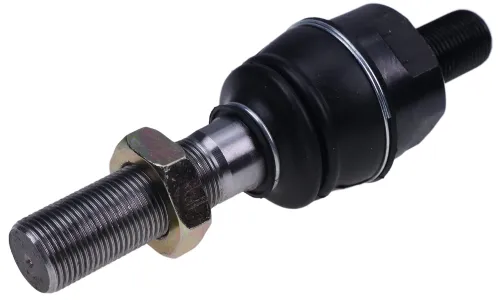
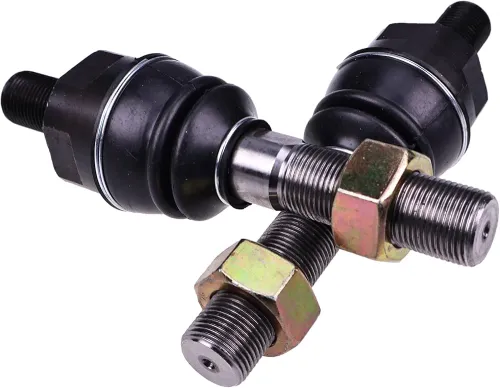
joint tie rod is a component of the steering system, connecting the steering rack or box to the wheel spindle. Tie rods are made of steel or other durable metals and are responsible for transmitting the motion from the steering wheel to the wheels, causing the wheels to turn in the desired direction.
 
Tie rods are divided into two parts:
Inner Tie Rod: Connected to the steering rack or box, it moves when the steering wheel is turned.
Outer Tie Rod: Connected to the wheel spindle, it transfers the motion from the inner tie rod to the wheels, enabling them to pivot left or right.
Location of Tie Rods
Tie rods are located on both sides of the tractor's steering mechanism, typically in front of the tractor's front axle. They are attached to the spindles of the front wheels and directly influence the steering and alignment of the tractor. In a tractor joint tie rod, tie rods are similarly used to control the movement of the front wheels, especially in agricultural or off-road tractors where steering precision is critical.
How Do Tie Rods Work?
The primary function of a joint tie rod is to control the movement of the tractor's wheels based on the steering input. When you turn the steering wheel, the steering rack or box sends motion to the inner tie rods. These inner tie rods then push or pull the outer tie rods, which in turn move the wheel spindles, causing the wheels to steer left or right. This coordinated movement allows the tractor to follow the driver's direction, providing essential control.
 
cxnofia joint tie rod
 

Key Differences Between Ball Joints and Tie Rods


While ball joints and joint tie rods are both essential to your car's steering and suspension systems, they serve distinctly different roles. Here are some key differences:
1. Function
Ball Joint: Primarily part of the suspension system, ball joints allow for the vertical and horizontal movement of the wheels while supporting the weight of the tractor.
Tie Rod: Part of the steering system, tractor tie rods transmit motion from the steering wheel to the wheels, enabling the tractor to turn in the desired direction.
2. Location
Ball Joint: Located at the top and bottom of the wheel spindle, connecting the control arms to the wheel hub or steering knuckle.
Tie Rod: A tractor tie rod is ocated on either side of the steering mechanism, connecting the steering rack or box to the wheel spindles.
3. Role in the System
Ball Joint: Provides a pivot point for the suspension and helps in absorbing road shocks while also facilitating steering movement.
Tie Rod: Directly influences the turning of the tractor by linking the steering mechanism to the wheel spindles, allowing the tractor to change direction.
4. Wear and Tear
Ball Joint: As the ball joint supports the tractor's weight and absorbs shocks, it can wear out over time due to constant friction and stress. Worn ball joints can lead to poor alignment, reduced steering control, and increased tire wear.
Tie Rod: Tie rods generally wear out due to the continuous back and forth movement as the steering wheel is turned. When joint tie rods fail, it can cause steering issues, including difficulty turning the tractor or uneven tire wear.
 

How Do Ball Joints and Tie Rods Work Together?


Although ball joints and tractor tie rods serve separate functions in the tractor's suspension and steering systems, they must work together to ensure the tractor steers properly and provides a comfortable, stable ride.
The ball joint supports the weight of the tractor and allows the wheel to move up and down. It also ensures that the steering system, which is dependent on the tie rods, can control the movement of the wheels. Without the ball joint, the joint tie rod would not have a stable connection point to transfer motion, and without the tie rod, the tractor would not be able to turn efficiently.
The tractor tie rod operates on a similar principle. Ball joints in a tractor's suspension system provide stability and allow for smooth vertical wheel movement, while tie rods enable the tractor to change direction. Without both parts functioning correctly, the steering mechanism of the tractor or any tractor could fail, leading to unsafe driving conditions.
 

When Should You Replace Ball Joints and Tie Rods?


Both ball joints and tie rods are critical components that wear out over time. Regular inspections are necessary to ensure they are in good working condition. Signs that you may need to replace these parts include:
Ball Joints: Clunking or popping noises when driving, especially when turning or going over bumps. Uneven tire wear and poor handling are also indicators.
Tie Rods: Loose steering, difficulty maintaining a straight line, and uneven tire wear may indicate that the tie rods need replacing.
In a word, ball joints and tie rod joint are both integral parts of a tractor's suspension and steering systems, but they serve different functions. The ball joint connects the suspension components to the wheel spindle and allows for movement in multiple directions, while the tie rod joint connects the steering mechanism to the wheel and enables the tractor to turn.
Together, they work in harmony to ensure that your tractor's steering and suspension systems operate effectively, providing both stability and maneuverability. Whether in a standard passenger tractor or a tractor joint tie rod application, understanding these components will help you maintain your tractor's performance and safety on the road. Always consult a mechanic if you suspect any issues with your ball joints or tie rods to ensure your tractor continues to run smoothly.
 
Choose from our extensive line of 35080-44662 tie rod end for kubota tractor, crafted by CXNOFIA, a reputable Chinese tractor tie rod joint manufacturer. Enjoy top quality tractor & engine spares at competitive prices, quick international shipping, convenient returns, and limited time deals!
Read more…

What Are You Blaming Your Sinful Actions On?

13444073860?profile=RESIZE_710xJudas Iscariot, a disciple of Jesus, and the chief priests in Jerusalem sinned against Jesus. This post focuses on Judas, a Christ follower who went astray by betraying Jesus. Could Judas have received forgiveness for his sinful actions against Jesus? Click on the link below to get my take on it. #BibleStudy #Devotions #Matthew #sin

https://www.ramckinley.com/what-are-you-blaming-for-your-sinful-actions/

Read more…

Pray Your Belief

Greetings in The Mighty Name of Jesus, The Christ!!!


Pray Your Belief


Matthew 21:21 KJV

“Jesus answered and said unto them, Verily I say unto you, If ye have faith, and doubt not, ye shall not only do this [which is done] to the fig tree, but also if ye shall say unto this mountain, Be thou removed, and be thou cast into the sea; it shall be done."


Brothers and Sisters, Doubt is Our Enemy, it affects everything in Our Lives, it accompanies All Decision Making. We like to blame Satan for casting Doubt when we are about to engage on anything that will bring Jesus Glory, but the Truth is that while Satan can do this and has, most of the Doubt is from Our Own Perspective of Who Jesus is.


You have read many times that I have wrote, that there is a Difference between Jesus as Savior and Jesus as Lord. Some of you always look at Jesus as Your Savior in all things and never cross over making Jesus Lord over Your Entire Life. Jesus gave us an example of giving one’s self over to whom You Fully Trust.


Matthew 26:39, 42 KJV

"39 And he went a little further, and fell on his face, and prayed, saying, O my Father, if it be possible, let this cup pass from me: nevertheless not as I will, but as thou [wilt]. ... 42 He went away again the second time, and prayed, saying, O my Father, if this cup may not pass away from me, except I drink it, thy will be done."


When Jesus Prayed, His Belief in His Father to take care of Him was past Hope, it was Resolved, Absolute, No Doubt that whatever was to come The Father had everything under control. Jesus went to the cross with this Assurance in His Father.


When I was in my early years studying The Word, I read Matthew 21:21 and pondered on what it really meant. At the time it was really windy outside and I Asked the question, If this be true then I should be able to Rebuke the Winds and The Lord said do it. So I went outside without any Doubt and said in The Name Of Jesus Be Still, instantly there was not even a breeze of any kind for several minutes and I was amazed and Praised Jesus. But you must understand, I Believed The Scripture, I Believed In What Jesus Said, my Belief was Absolute at the time.


The Difference between Jesus being Savior and Jesus being Lord is this, having a Belief that Jesus is only Savior all of the time is what you get, always looking for Jesus to Save, Deliver you from whatever. Jesus being Lord is like the Centurion, just speak The Word and it is done, No Doubt!


Matthew 8:8-13 KJV

"8 The centurion answered and said, Lord, I am not worthy that thou shouldest come under my roof: but speak the word only, and my servant shall be healed. 9 For I am a man under authority, having soldiers under me: and I say to this [man], Go, and he goeth; and to another, Come, and he cometh; and to my servant, Do this, and he doeth [it]. 10 When Jesus heard [it], he marvelled, and said to them that followed, Verily I say unto you, I have not found so great faith, no, not in Israel. 11 And I say unto you, That many shall come from the east and west, and shall sit down with Abraham, and Isaac, and Jacob, in the kingdom of heaven. 12 But the children of the kingdom shall be cast out into outer darkness: there shall be weeping and gnashing of teeth. 13 And Jesus said unto the centurion, Go thy way; and as thou hast believed, [so] be it done unto thee. And his servant was healed in the selfsame hour."


Your Prayers must have the same Belief as the Centurion, making Jesus Lord over everything. Having Jesus as Lord makes the Impossible, Possible. We, Brothers and Sisters are under Authority when Jesus is Lord, stating that Whatever Jesus says is done, bringing Our Faith in Jesus to a Belief that He Is The Alpha and Omega of All Things concerning us!


Hebrews 11:6 KJV

“But without faith [it is] impossible to please [him]: for he that cometh to God must believe that he is, and [that] he is a rewarder of them that diligently seek him."


Brothers and Sisters do not get confused Faith and Your Belief can be two entirely different things. You can have Faith that Jesus is The Son Of God The Father and yet your Belief that He is Lord be missing.


My Life is that Jesus is Lord and Savior in that order. All that I am or will ever be is in Jesus Hands, I do not want to Control My Life, but put My Life In Jesus Control, 24/7/365!!! This does not mean I have everything where it needs to be, but every day I Submit Lordship to Jesus first thing, before anything and try to Walk IN That Belief!


When we Pray it is Our Belief that is being Prayed. If my Belief that Jesus can Heal, than He CAN Heal, but here is where Lordship comes in, if Jesus decides NOT to Heal, then I know He has a reason that I do not See or Understand, being as Jesus was in the garden, saying that if the Cup does not pass, it does not matter, Father, Your Will Be Done!


It is the letting go and letting Jesus be in 100% Control of the Now and Tomorrow in Our Prayers, that we cast every Doubt to the side and Stand Firm in Jesus as Lord!!!


Amen and Amen!!!


Email: godsonlyfoundation@gmail.com

Website: ApostleLee.com

Read more…

A Miracle From God Could Be Waiting For You

13442044264?profile=RESIZE_710xMark 8 records Jesus feeding over 4,000 people, being confronted by argumentative Pharisees, and reminding His disciples of what they had seen Him do. He asked them, 'You have eyes—can't you see? You have ears—can't you hear?' Don't you remember anything at all? What questions would He ask you? Click on the link below to read today's post. #BibleStudy #Devotions #Mark #Miracles

https://www.ramckinley.com/A Miracle From God/

Read more…

The Voice Of The Lord And Its Mighty Power

13428512064?profile=RESIZE_710xIn Psalm 29, David wrote about the powerful and majestic voice of the Lord. Six times in this Psalm, we are given examples of what the voice of the Lord can do, concluding with God's love and compassion. Click on the link below to read about the power of the voice of the Lord. #BibleStudy #Devotions #Psalms #worship

https://www.ramckinley.com/the-voice-of-the-lord/

Read more…

Hope Accomplished Faith

Greetings in The Mighty Name of Jesus, The Christ!!!


Hope Accomplished Faith


Hope Definition: a feeling of expectation and desire for a certain thing to happen; a person or thing that may help or save someone; grounds for believing that something good may happen; a feeling of trust.


Brothers and Sisters, be not weary or dismayed in the Hope that is to come, for us, it seems we have waited a long time for many things to come to pass, including Jesus Return, but, let us Stand In Faith for Our Hope to come! We wait for the Manifestation of Our Hope, but some of you have lost all Hope in that which you have Stood In Faith, Believing, never to see Your Faith to Manifestation In Your Hope.


Hebrews 11:1 KJV

"Now faith is the substance of things hoped for, the evidence of things not seen."


Psalm 31:24 KJV

“Be of good courage, and he shall strengthen your heart, all ye that hope in the LORD."


We Work, We Pray in the Hope of Our Faith in Jesus for the Manifestation of Our Hope revealed, but let Our Hope be in the Witness and Testimony of those who’s Faith is unwavering, being steadfast that Jesus Being Lord to those who Believe may present to the Lost a Hope Of Salvation!!!


Our Brother James says that we have Hope in things that Glorify The Flesh and Not Our Lord Jesus, as well there are many that have Hope that The Lord will not answer because you do not know What You Hope For!


James 1:5-8 KJV

"5 If any of you lack wisdom, let him ask of God, that giveth to all [men] liberally, and upbraideth not; and it shall be given him. 6 But let him ask in faith, nothing wavering. For he that wavereth is like a wave of the sea driven with the wind and tossed. 7 For let not that man think that he shall receive any thing of the Lord. 8 A double minded man [is] unstable in all his ways."


James 4:1-3 KJV

"1 From whence [come] wars and fightings among you? [come they] not hence, [even] of your lusts that war in your members? 2 Ye lust, and have not: ye kill, and desire to have, and cannot obtain: ye fight and war, yet ye have not, because ye ask not. 3 Ye ask, and receive not, because ye ask amiss, that ye may consume [it] upon your lusts."


We, Brothers and Sisters, Church, must be careful in our Prayers and in those things that we Speak that Our Request, Our Speech, is to Glorify Jesus as Savior and Lord, the Faith of Our Hope. If we are not to Use the Manifestation Of Hope as a Testimony, then why should there be any Manifestation at all? Our Lord Jesus said that when a Candle is light that it is placed for All To See, for what good is it if the Candle is covered for your own glory.


Matthew 5:14-16 KJV

"14 Ye are the light of the world. A city that is set on an hill cannot be hid. 15 Neither do men light a candle, and put it under a bushel, but on a candlestick; and it giveth light unto all that are in the house. 16 Let your light so shine before men, that they may see your good works, and glorify your Father which is in heaven."


When My Hope is Manifested, it is not for me alone, but is to be used for both the Saved and Unsaved to Draw you closer to a Relationship with Jesus, that Your Hope may do likewise as we are an example to The Body. For We, Brothers and Sisters, are the Mouth Piece of Jesus, the Hands of Jesus, the Feet of Jesus, the Strength of Jesus and The Love Of Jesus to all those around us, let all give Praise and Glory to Jesus, Our Savior and Lord, in The Hope we present!!!


If you place yourself upon a pedestal then there is No Hope, No Faith except that of Your Own Making and if that be the case, then you need to Question Your Salvation. If in Our Hope if we are Not Humble, counting Our Righteousness as filthy rags, then we have no Place with The Father in whom should we be doing His Will above all things!!!


Matthew 7:21 KJV

“Not every one that saith unto me, Lord, Lord, shall enter into the kingdom of heaven; but he that doeth the will of my Father which is in heaven."


Our Hope is in the Acceptance of Our Lord Jesus that we have done The Fathers Will and not our own or of others. We need to Understand that even Jesus had to have Hope in The Fathers Will, that once He had Paid The Price For Sin, The Father would Rise Him again! We MUST Understand that everything since the beginning of time has been according to The Fathers Will, not Jesus Will and not The Holy Spirits Will, though the three are in One Accord!


Matthew 26:39 KJV

“And he went a little further, and fell on his face, and prayed, saying, O my Father, if it be possible, let this cup pass from me: nevertheless not as I will, but as thou [wilt]."


Brothers and Sisters you need to Weigh Your Hope and Weigh what You want to Manifest, is it to The Glory of Jesus having done The Will Of The Father or is it to your own gratification of the flesh? Jesus knows the answer to this question, but do you? If Our Lives are Not to the Glory of Jesus whom we Hope in Our Salvation and to do The Will Of The Father then who receives The Glory, Who’s Will is Manifested for all to see?


I would that none follow after me, but only as an example to Follow Jesus doing The Will Of The Father, for I am not even worthy for Jesus to tread upon, but My Hope is in Him never the less. Our Brother Paul endeavored the same…


1 Corinthians 1:12-17 KJV

"12 Now this I say, that every one of you saith, I am of Paul; and I of Apollos; and I of Cephas; and I of Christ. 13 Is Christ divided? was Paul crucified for you? or were ye baptized in the name of Paul? 14 I thank God that I baptized none of you, but Crispus and Gaius; 15 Lest any should say that I had baptized in mine own name. 16 And I baptized also the household of Stephanas: besides, I know not whether I baptized any other. 17 For Christ sent me not to baptize, but to preach the gospel: not with wisdom of words, lest the cross of Christ should be made of none effect."


If what you Do and Say is not in The Hope Accomplished Faith, if it is to Glorify a Person, a Team, a Religion, a Politician, in anything other than Jesus, then Your Hope, Your Faith is in NOT Doing The Fathers Will, but to put someone else exalted on high.


Also, do not get Faith and Hope meaning the same thing, because they are not the same. Faith is In, Hope is For, I have Faith in Jesus having Hope for Eternal Life. You can have Faith without Hope, but you must have Hope with Faith!


Let not your Hope be diminished, but through the Comfort of Scripture and the Testimony of many let Your Hope be saturated in Faith in the things to come, rather on Earth or in Heaven. For we all have been given the same measure of Hope to Walk in and to Endure All Things…


 Romans 8:24 KJV

“For we are saved by hope: but hope that is seen is not hope: for what a man seeth, why doth he yet hope for?"


Romans 15:4 KJV

“For whatsoever things were written aforetime were written for our learning, that we through patience and comfort of the scriptures might have hope."


Ephesians 4:4 KJV

“[There is] one body, and one Spirit, even as ye are called in one hope of your calling;"


We, Brothers and Sisters, Church,

must Walk in One Accord,

being Tossed NO MORE!!!


Amen and Amen!!!


Email: godsonlyfoundation@gmail.com

Website: ApostleLee.com

Read more…

God's Justice Is Delivered Against The Wicked

10496617876?profile=RESIZE_710xHow do we define God's justice? People are capable of doing some terrible and wicked deeds. We can't, however, let their actions cause us to become judgmental in what we say or think. Click on the link below to read what we are supposed to do. #BibleStudy #Devotions #Grace #Romans #sin

https://www.ramckinley.com/gods-justice/

Read more…
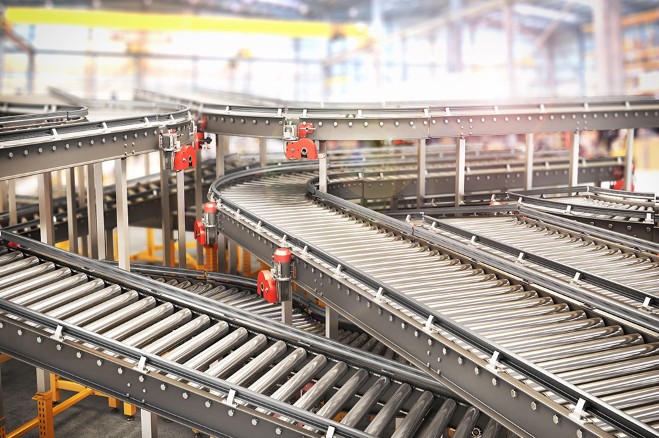
A warehouse roller system is a conveyor system designed to move goods through various stages of the material handling process. This system utilizes rollers to transfer products along a conveyor belt or track, making it easier to transport heavy or bulky items across different areas within a warehouse.
 
Roller conveyors are particularly popular in environments that require heavy-duty handling, such as warehouses, distribution centers, and manufacturing plants. They provide a continuous flow of goods, significantly improving efficiency and productivity.
 
warehouse roller system
 

Why are Warehouse Roller Systems Essential?
 

Warehouse roller systems are essential for improving the flow of goods within a warehouse. Their primary function is to reduce the manual labor involved in material handling and transportation, increasing overall operational efficiency. These systems are also known for their durability, cost-effectiveness, and versatility, making them ideal for a variety of applications.
 

Types of Warehouse Roller Systems
 

1. Gravity Roller Conveyors
 

Gravity roller conveyors are the simplest form of warehouse roller systems. These conveyors rely on the force of gravity to move items from one location to another. Typically, they are used for transporting products over short distances and can be found in many warehouses where products are manually pushed along the rollers.
 
Benefits of Gravity Roller Conveyors:
  • Low maintenance and cost-effective
  • Ideal for low-to-medium weight items
  • Simple and reliable operation
  • Easy to install and expand as needed
Gravity roller conveyors are often used in receiving areas, assembly lines, or dispatch sections of warehouses. They are ideal for small to medium-sized businesses where space and budget constraints are a consideration.
 

2. Powered Roller Conveyors
 

Powered roller conveyors use motors to drive the rollers and are often employed for moving heavier or bulkier goods. Unlike gravity conveyors, powered roller systems allow for better control and can be used for longer distances, even when the path has inclines or declines.
 
Benefits of Powered Roller Conveyors:
  • Can transport heavier goods
  • Suitable for longer distances and more complex layouts
  • Can handle products with different sizes and shapes
  • Versatile and adaptable to various environments
Dijie's automated and intelligent sorting systems can be integrated into powered roller conveyors to increase efficiency and improve sorting accuracy within warehouses.
 

3. Accumulation Roller Conveyors
 

Accumulation roller conveyors are used for temporary storage of items in warehouses. These systems can stop and start depending on the flow of items, allowing goods to accumulate without causing congestion. This type of conveyor is particularly useful in sorting and picking areas where goods must be stored before being dispatched.
 
Benefits of Accumulation Roller Conveyors:
  • Helps prevent product back-ups
  • Reduces congestion and ensures smooth product flow
  • Can be integrated with sorting systems
  • Reduces the need for manual handling and improves space utilization
Accumulation roller conveyors are often used in combination with other systems, such as automatic sorting systems, to ensure smooth warehouse operations. Dijie’s advanced sorting technologies can enhance the functionality of these systems.
 

4. Chain-Driven Roller Conveyors
 

Chain-driven roller conveyors use chains to drive the rollers, making them ideal for handling heavier materials or products that require a high level of reliability. These systems are often used in industrial environments where the items being transported are particularly large or heavy.
 
Benefits of Chain-Driven Roller Conveyors:
  • Handles heavy-duty products with ease
  • More durable and reliable than gravity conveyors
  • Can move products over long distances
  • Suitable for harsh environments and extreme conditions
For warehouses with larger items or those that require more power, chain-driven roller conveyors are an ideal solution. They are frequently used in manufacturing and large-scale distribution centers.
 

Benefits of Warehouse Roller Systems
 

1. Increased Efficiency
One of the primary benefits of warehouse roller systems is their ability to streamline operations. By automating the process of transporting goods, these systems reduce the need for manual handling, speeding up operations and increasing throughput.
 
2. Space Optimization
Roller systems are designed to be compact and efficient, allowing warehouses to utilize their available space more effectively. Whether it's through gravity rollers or powered roller conveyors, these systems help reduce congestion, allowing for more efficient product flow.
 
3. Cost-Effective Solution
Roller conveyors are among the most cost-effective solutions for warehouse material handling. With relatively low installation and maintenance costs, they provide long-term savings while improving productivity.
 
4. Flexibility and Scalability
Warehouse roller systems are highly customizable and can be adapted to fit different product types, warehouse layouts, and operational needs. Whether you are dealing with light products or heavy machinery, roller systems can be tailored to suit your requirements.
 

How Dijie Enhances Warehouse Operations with Intelligent Sorting Systems
 

At Dijie, we specialize in providing cutting-edge intelligent sorting solutions that integrate seamlessly with warehouse roller systems. Our automated systems can be customized to meet the specific needs of your operation, ensuring the highest level of efficiency and accuracy in sorting and material handling.
 
Our intelligent sorting systems optimize the use of space, improve product flow, and minimize human error in sorting operations. By integrating these advanced technologies with your warehouse roller systems, you can significantly enhance productivity, reduce operational costs, and increase customer satisfaction.
 

Conclusion
 

Warehouse roller systems are indispensable in modern material handling operations. From gravity rollers to powered and accumulation systems, these conveyors offer a wide range of benefits, including increased efficiency, space optimization, and cost-effectiveness. As the industry leader in intelligent sorting systems, Dijie offers solutions that enhance the functionality of these conveyor systems, ensuring optimal warehouse performance.
 
By incorporating automated sorting solutions, Dijie’s technology takes warehouse operations to the next level, enabling faster, more accurate, and efficient material handling.
Read more…
Efficiency plays a crucial role in optimizing operations across industries such as logistics, e-commerce, and manufacturing. One of the most impactful ways to enhance operational effectiveness is through the implementation of pallet conveyor automation systems. These systems are revolutionizing large-scale operations by automating material handling processes, resulting in significant cost savings and boosted productivity. This article explores how pallet conveyor automation systems can be a game-changer for businesses, with a particular focus on the solutions provided by companies like Dijie, which specialize in intelligent sorting and conveying technologies.
 

pallet conveyors automation systems


Understanding Pallet Conveyor Automation Systems
 

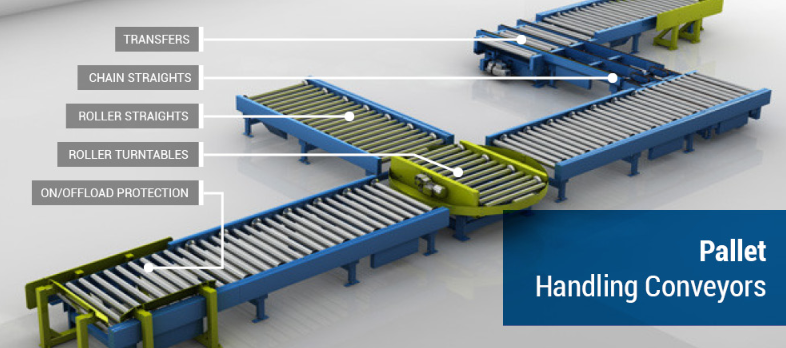
A pallet conveyor automation system is a mechanical system designed to move palletized goods efficiently within a warehouse or manufacturing facility. These systems are integrated into larger automated solutions, which can include sorting, tracking, and packaging functionalities. The primary objective of these systems is to streamline the movement of goods across various stages of the supply chain with minimal human intervention.
 
Pallet conveyors can be designed to handle different types of products, including heavy, bulky items or products that require precise handling. The system uses rollers, chains, or belts to move pallets along a predetermined path, reducing the need for manual labor and minimizing the risk of errors.
 

Types of Pallet Conveyor Systems
 

  • Roller Conveyor Systems: These are used for lightweight to medium loads and are ideal for easy, low-maintenance operations.
  • Chain Conveyor Systems: More robust than roller conveyors, chain conveyors are suitable for heavier pallets and can be customized to handle a variety of products.
  • Pneumatic Conveyor Systems: Utilizing air pressure, these conveyors can handle delicate products that cannot be transported through traditional methods.
  • Automated Guided Vehicles (AGVs): Though not strictly a conveyor system, AGVs can be integrated with pallet conveyors to move goods around a warehouse autonomously.
Each system comes with specific benefits, depending on the size, weight, and type of goods being transported, as well as the overall goals of the business.
 

The Cost Savings of Pallet Conveyor Automation Systems
 

While the initial investment in pallet conveyor automation systems may seem significant, businesses often experience a high return on investment (ROI) over time. Below are the key ways these systems help reduce operational costs:
 
1. Reduction in Labor Costs
Manual labor is one of the highest costs for warehouses and manufacturing plants. By automating the movement of goods with pallet conveyor systems, businesses can significantly reduce the need for manual handling, which cuts down on labor expenses. Automated systems can operate 24/7 without breaks or downtime, allowing businesses to run more efficiently without the added cost of hiring more staff.
 
2. Improved Efficiency and Speed
Pallet conveyor automation systems increase the speed and accuracy of material handling, reducing the time needed to transport goods across a facility. By eliminating bottlenecks and ensuring smooth transitions between different stages of production or fulfillment, these systems improve throughput and reduce delays. As a result, businesses can process more orders or produce more products in the same amount of time, leading to improved revenue generation.
 
3. Minimization of Errors and Damages
Human error can lead to costly mistakes, such as damaged goods or misplaced inventory. By automating the process, pallet conveyors reduce the likelihood of errors, which in turn reduces waste and the need for costly corrective actions. Furthermore, these systems ensure that products are handled gently, reducing the risk of damage during transportation.
 
4. Enhanced Space Utilization
Pallet conveyor systems can be designed to maximize space usage, reducing the need for extensive floor space. By incorporating vertical conveyors or more compact configurations, businesses can optimize their facilities and store more inventory without expanding their physical footprint. This leads to long-term cost savings and better utilization of available resources.
 

How Pallet Conveyor Automation Systems Enhance Large-Scale Operations
 

In large-scale operations, whether in logistics, retail, or e-commerce, managing the flow of goods can be complex and labor-intensive. The integration of pallet conveyor automation systems offers a range of benefits:
 
1. Streamlining Workflow
The main function of pallet conveyor systems is to streamline the workflow by automating material handling. By connecting various stages of the supply chain, these systems ensure that goods move from one stage to the next without delays. For example, in an e-commerce warehouse, an automated pallet conveyor system can efficiently transport pallets from receiving to sorting and then to packing stations, all while maintaining a steady flow of goods.
 
2. Scalable Solutions
Large-scale operations often experience fluctuating demand, which can strain manual handling systems. Automated pallet conveyors offer scalable solutions that can easily accommodate changes in production volume. With the ability to expand the system or adjust its capacity, businesses can keep up with growing demand without having to invest in entirely new systems or additional labor.
 
3. Integration with Other Technologies
A key benefit of pallet conveyor automation systems is their ability to integrate seamlessly with other automation technologies, such as sorting systems, RFID tracking, and warehouse management systems (WMS). Companies like Dijie specialize in providing integrated solutions that combine pallet conveyors with intelligent sorting and digital logistics networks. This integration allows for real-time tracking, more accurate inventory management, and improved overall operations.
 

Future Trends in Pallet Conveyor Automation Systems
 

The future of pallet conveyor automation systems looks promising, with ongoing innovations that further enhance their capabilities:
 
1. AI and Machine Learning Integration
Incorporating artificial intelligence (AI) and machine learning into conveyor systems will allow businesses to predict maintenance needs, optimize flow paths, and adjust operations based on demand patterns. This results in increased efficiency and reduced downtime.
 
2. Increased Customization
As businesses continue to look for ways to improve their efficiency, conveyor systems are becoming increasingly customizable. Tailored solutions that suit specific needs in different industries—whether retail, e-commerce, or logistics—will continue to be a focal point for future developments.
 

Conclusion
 

The cost-effectiveness of pallet conveyor automation systems in large-scale operations is clear. By reducing labor costs, improving efficiency, and minimizing errors, these systems offer a significant return on investment over time. Companies like Dijie are at the forefront of developing and integrating these systems, helping businesses optimize their operations for improved profitability. Whether for logistics, retail, or e-commerce, automated pallet conveyors provide the essential infrastructure needed to meet growing demand while driving cost savings.
Read more…

Which is the Fastest Electric Scooter?

Electric scooters have revolutionized urban transportation, offering a fast, efficient, and eco-friendly way to travel. Among the many models available today, the question of which is the fastest electric scooter often arises. With rapid advancements in battery technology, motor power, and design, electric scooters have become increasingly capable of high speeds, making them an attractive option for people looking for a quick and efficient means of transport.
 
In this article, we will discuss the factors that contribute to the speed of an electric scooter, highlight the models that boast top speeds, and explain how Dece Power's products fit into the fast electric scooter market. Let’s dive into the world of high-speed electric scooters.
 
fast eletric scooter


Key Factors That Determine the Speed of an Electric Scooter
 

When evaluating the fastest electric scooters, several factors come into play that determines their top speed. Let’s take a closer look at these:
 
Motor Power and Torque
The motor is the heart of any electric scooter. The power of the motor, measured in watts (W), directly influences the maximum speed. For example, a 500W motor is typically enough for casual use, while a motor with over 1000W or more can power the scooter to higher speeds. Fast electric scooters often feature motors with power ranging from 1500W to 5000W or more.
 
Battery Capacity and Voltage
Battery capacity, measured in ampere-hours (Ah) or watt-hours (Wh), determines how much power the scooter can store and how far it can travel. However, the voltage of the battery also plays a significant role in determining speed. Higher voltage batteries provide more power to the motor, enabling the scooter to reach faster speeds. The combination of motor power and battery voltage allows for better acceleration and higher top speeds.
 
Weight of the Scooter and Rider
The total weight of the scooter, combined with the weight of the rider, can also affect the speed. Lighter scooters are typically faster, as there is less resistance for the motor to overcome. However, the materials used in the frame, wheels, and other components play a role in balancing durability with weight.
 
Type of Terrain
The type of terrain where you ride can impact the speed. On flat, smooth surfaces, fast electric scooters can reach their peak speed. However, on uphill or rough terrain, even the fastest scooters may experience a drop in speed due to resistance. Most high-speed models are built to perform on both smooth city streets and slightly uneven paths.
 

Fast Electric Scooters: Top Models to Consider
 

When searching for the fastest electric scooter, it’s essential to look at both the specs and real-world performance. Below are some of the top contenders in the market for speed:
 
1. Dualtron Thunder 2
The Dualtron Thunder 2 is a popular model among high-speed electric scooters, featuring a powerful 6720W motor, capable of achieving speeds up to 50-55 mph (80-88 km/h) on flat terrain. Its advanced suspension system ensures a smooth ride even at top speeds. With a massive battery capacity of 72V, this scooter provides impressive range and power, making it ideal for those looking for an adrenaline-packed ride.
 
2. Rion RE90
The Rion RE90 is one of the fastest scooters available, with a peak speed of 80 mph (128 km/h), thanks to its 8000W motor and high-performance components. However, this level of speed comes at a premium price, and the scooter’s design is specifically built for speed enthusiasts who need extreme performance.
 
3. Dece Power Electric Scooters
Dece Power, based in Zhejiang, China, manufactures high-quality electric scooters known for their durability and performance. The Dece Power High-Speed Electric Scooter is equipped with a 2000W motor, which allows it to reach speeds of up to 40-50 mph (64-80 km/h), depending on the terrain. Designed with cutting-edge battery technology and lightweight aluminum alloy frames, these scooters offer an excellent balance of speed, range, and convenience for urban commuting.
 
Dece’s electric scooters are particularly popular for their reliability and ability to handle varying terrains, offering high-speed performance on flat surfaces while maintaining steady control on uneven roads.
 

Fast Electric Scooters: Why Speed Matters
 

While speed is undoubtedly a key feature for many riders, there are also practical reasons for choosing a fast electric scooter. Here are a few:
 
Time Efficiency
The faster the scooter, the quicker the rider can reach their destination. For commuters, this means less time spent on the road, and more time saved during daily trips.
 
Better Control and Acceleration
High-speed electric scooters often offer superior acceleration, which can be useful in urban traffic situations, where rapid movement and quick starts are essential. This type of scooter also provides a smoother ride for riders who value performance.
 
Enhanced Fun Factor
For those who enjoy a more adventurous ride, the thrill of high-speed electric scooters adds an extra layer of excitement. Riders who prioritize fun and speed in their outdoor activities often choose the fastest models available.
 

How Dece Power Stands Out in the Fast Electric Scooter Market
 

Dece Power’s electric scooters have carved a niche in the high-speed market, offering impressive performance and reliability at competitive prices. By focusing on quality and innovation, Dece has built a solid reputation in the global electric vehicle industry.
 
Dece’s fast electric scooters are engineered with powerful motors and advanced battery systems that offer exceptional speed and range. For riders looking for a fast electric scooter, Dece provides an ideal blend of speed, durability, and affordability. Additionally, their scooters are designed to be environmentally friendly, aligning with global trends toward sustainable transportation.
 

Conclusion: Choosing the Fast Electric Scooter for You
 

When selecting the fastest electric scooter, there are various factors to consider, from motor power and battery capacity to the type of terrain and rider weight. For those looking for speed, models like the Dece Power electric scooter offer a great balance of performance, reliability, and value.
Dece Power continues to innovate in the fast electric scooter market, providing customers with high-speed options tailored to meet different needs. Whether for urban commuting, recreational use, or performance riding, fast electric scooters from Dece are a great choice.
Read more…
Electric scooters have gained significant popularity in urban transportation, providing an eco-friendly and efficient mode of travel. Among the various types available, 2000W lithium battery electric scooters stand out due to their impressive speed, long-range capability, and overall performance. These scooters are ideal for those looking for a powerful, efficient, and environmentally friendly way to commute or enjoy recreational rides.
 
In this article, we will dive into the specific factors that determine how fast a 2000W lithium battery electric scooter can go, explore the benefits of these high-powered scooters, and understand their relevance in modern-day transportation solutions.
 

2000w lithium battery electric scooter


What is a 2000W Lithium Battery Electric Scooter?
 

A 2000W lithium battery electric scooter is equipped with a motor rated at 2000 watts, which provides higher power than typical e-scooters. These scooters are powered by lithium-ion batteries, which are known for their lightweight, high energy density, and long lifespan compared to traditional lead-acid batteries. This combination of power and efficiency makes the 2000W lithium battery electric scooter ideal for users seeking high performance, longer rides, and faster speeds.
 

Key Factors Affecting Speed of a 2000W Lithium Battery Electric Scooter
 

While the 2000W motor provides a strong base, several factors influence the maximum speed of the scooter:
 
1. Motor Power and Efficiency
The 2000W motor itself plays a significant role in the scooter’s speed potential. A 2000W motor can typically generate speeds between 30 to 40 miles per hour (48 to 64 kilometers per hour), depending on the scooter's design and the rider's conditions. However, the motor's efficiency, including how well it converts electrical energy into motion, also impacts how quickly the scooter can reach and maintain its top speed.
 
2. Battery Power
The 2000W lithium battery not only powers the scooter but also impacts the speed. A fully charged battery can provide enough energy to support higher speeds for longer periods. The battery’s voltage (usually between 48V and 72V for these scooters) and its overall capacity (measured in Ah, or amp-hours) influence how fast and far the scooter can travel. Lower voltage batteries can slow down performance, while higher voltage provides increased speed and range.
 
3. Rider Weight and Load
The weight of the rider and any additional cargo can also affect the scooter’s speed. Heavier riders or those carrying heavy loads may experience a reduction in the scooter's speed due to the increased effort required to move the extra mass. On average, a 2000W lithium battery electric scooter can handle up to 120 kg (265 lbs) without a significant drop in speed.
 
4. Terrain and Surface Conditions
The type of terrain you ride on will drastically impact the speed of the scooter. A 2000W lithium battery electric scooter will perform best on flat, smooth surfaces. Steep hills or rough terrain such as gravel or dirt paths can slow down the scooter's speed, as the motor has to work harder to maintain momentum. However, some 2000W scooters come equipped with off-road tires that provide better traction and handling on challenging surfaces.
 

Comparing the Speed of 2000W Lithium Battery Electric Scooters to Other Models
 

While 2000W lithium battery electric scooters are on the higher end in terms of motor power, it’s worth comparing their speeds with other popular scooter models:
  • 500W to 1000W Scooters: These scooters are typically slower, with top speeds ranging from 15 to 25 miles per hour (24 to 40 km/h). They are ideal for lighter use, shorter commutes, and urban settings.
  • 2000W Scooters: As discussed, they can reach speeds of 30 to 40 miles per hour. This makes them ideal for long-distance commuters or recreational riders who desire a faster and more powerful ride.
  • 3000W and 5000W Scooters: These high-performance scooters can exceed speeds of 50 miles per hour (80 km/h), but they come at a premium price and are more suitable for experienced riders or those needing extreme power.


Advantages of Choosing a 2000W Lithium Battery Electric Scooter
 

Opting for a 2000W lithium battery electric scooter provides a range of benefits:
 
1. Speed and Efficiency
One of the biggest advantages of the 2000W motor is the ability to travel at higher speeds without sacrificing battery efficiency. Whether you’re commuting to work or enjoying a weekend ride, these scooters offer a solid mix of performance and battery life.
 
2. Longer Range
The higher power of a 2000W motor, combined with the efficiency of lithium batteries, allows for longer range capabilities, often up to 50-70 miles (80-112 km) on a single charge, depending on terrain and load.
 
3. Eco-Friendly Transportation
Electric scooters are environmentally friendly alternatives to traditional gas-powered vehicles, emitting zero pollutants and requiring minimal maintenance. A 2000W scooter provides an excellent solution for sustainable urban commuting and recreational activities.
 

How to Maximize Speed and Performance on a 2000W Lithium Battery Electric Scooter
 

To get the most out of your 2000W lithium battery electric scooter, there are several tips you can follow:
 
1. Maintain Proper Tire Pressure
Ensure your tires are always properly inflated. Under-inflated tires create more resistance, reducing speed and efficiency. Regularly check tire pressure to ensure smooth rides.
 
2. Optimize Weight Distribution
Distribute your weight evenly while riding. Avoid carrying heavy items on the scooter unless necessary, as this will reduce your overall speed and efficiency.
 
3. Keep Your Battery Charged
To maintain peak performance, keep your lithium battery fully charged. Avoid draining it completely before charging again to prolong battery life.
 

Conclusion
 

A 2000W lithium battery electric scooter is a robust and efficient choice for those seeking both speed and performance in an electric vehicle. With the right conditions, these scooters can reach speeds of 30 to 40 miles per hour and are perfect for both commuting and recreational rides. Whether you're a daily commuter or simply want to experience the thrill of riding a powerful electric scooter, the 2000W lithium battery offers an impressive balance of speed, efficiency, and sustainability.
 
For companies like Zhejiang Dece Power Co., Ltd., understanding the capabilities of these scooters and the factors that influence their performance is essential to providing high-quality products that meet the diverse needs of global customers.
Read more…
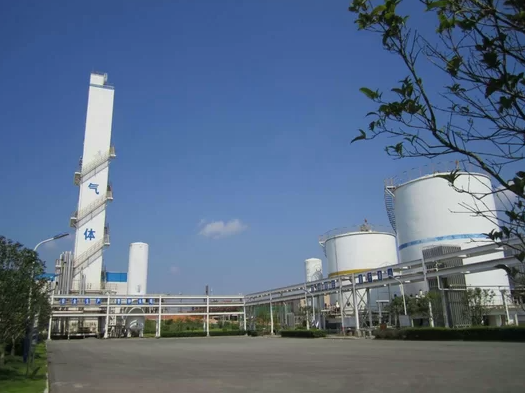
As the world shifts toward sustainable energy solutions, technologies that facilitate clean energy generation and storage are becoming more critical. Among these technologies, cryogenic liquid oxygen (LOX) plants are playing a crucial role. These plants, which produce liquid oxygen through cryogenic air separation processes, are essential for a range of green energy applications. From improving the efficiency of renewable energy storage to supporting environmentally friendly industrial practices, cryogenic liquid oxygen plants offer a path toward cleaner, greener solutions in the energy sector.
 
This article explores the role of cryogenic liquid oxygen plants in the green energy landscape, examining their impact on sustainability, their applications, and the future potential of this technology.
 
cryogenic liquid oxygen plant
 

What is a Cryogenic Liquid Oxygen Plant?
 

A cryogenic liquid oxygen plant is a facility that separates oxygen from the air using cryogenic processes, resulting in liquid oxygen at temperatures below -183°C. This process involves the cooling and compression of air, where nitrogen and other gases are separated, leaving oxygen as the primary product. Cryogenic LOX plants are an integral part of various industries, especially where large volumes of high-purity oxygen are needed, such as in healthcare, steel manufacturing, and particularly in green energy applications.
 

The Process of Cryogenic Oxygen Production
 

Cryogenic air separation is the process that makes cryogenic liquid oxygen plants possible. In this process, air is first filtered to remove impurities and then compressed. The compressed air is cooled to extremely low temperatures in a distillation column, where oxygen, nitrogen, and other gases are separated based on their boiling points. The result is liquid oxygen, which can be stored and transported in large quantities.
 

Applications of Cryogenic Liquid Oxygen Plants in Green Energy
 

1. Energy Storage Solutions
One of the most promising uses of cryogenic liquid oxygen plants in the green energy sector is in energy storage. As renewable energy sources like wind and solar generate power intermittently, there is a need for efficient energy storage solutions. Cryogenic energy storage, also known as liquid air energy storage (LAES), leverages cryogenic liquids like oxygen and nitrogen to store energy. When energy is needed, the liquid oxygen is heated and expands into a gas, driving turbines that generate electricity.
 
This method offers a sustainable solution to energy storage, especially in areas where renewable energy generation is variable. Companies like Hangzhou Z-Oxygen are innovating in cryogenic technology to provide reliable and efficient energy storage solutions that support renewable energy integration.
 
2. Green Hydrogen Production
Cryogenic liquid oxygen plays a significant role in green hydrogen production, which is considered a key component of the future green energy grid. Oxygen is a byproduct of electrolysis, a process that uses electricity to split water molecules into hydrogen and oxygen. When powered by renewable energy sources, the production of hydrogen and oxygen becomes a clean and sustainable method to generate fuel. Cryogenic liquid oxygen plants can supply the necessary oxygen for electrolysis, contributing to the production of green hydrogen.
 
3. Carbon Capture and Storage
Cryogenic technology also plays a role in carbon capture and storage (CCS) initiatives. In CCS, CO₂ is captured from industrial processes and stored underground to reduce greenhouse gas emissions. Cryogenic liquid oxygen is used in some carbon capture systems to provide the necessary high-purity oxygen needed for the combustion of carbon-rich fuels in power plants and other industries. By enhancing the efficiency of these processes, cryogenic LOX plants help reduce the overall carbon footprint.
 

Innovations in Cryogenic Liquid Oxygen Plants
 

Cryogenic liquid oxygen plants have seen significant technological advancements in recent years. With an increased focus on sustainability and energy efficiency, companies like Hangzhou Z-Oxygen Intelligent Device Co., Ltd. have been at the forefront of these innovations.
 
1. Energy Efficiency Improvements
Modern cryogenic oxygen plants are designed to be more energy-efficient than ever before. Advanced technologies such as pressure swing adsorption (PSA) and membrane separation systems allow for the production of liquid oxygen with lower energy consumption, which is crucial for reducing the environmental impact of these operations. These innovations align with the growing demand for sustainable energy practices in the green energy sector.
 
2. Modular and Scalable Solutions
Another major trend is the development of modular and scalable cryogenic liquid oxygen plants. These smaller, flexible systems can be customized to meet the needs of various industries, from large-scale energy storage facilities to smaller applications like medical oxygen supply. This adaptability allows for the efficient use of resources and minimizes waste, making these plants ideal for both urban and rural applications.
 
3. Automation and Smart Controls
The incorporation of smart technologies and automation is enhancing the performance of cryogenic liquid oxygen plants. Remote monitoring and intelligent control systems allow plant operators to optimize performance, reduce downtime, and improve safety. These advancements are particularly important in remote locations or in applications requiring continuous production of oxygen, such as in offshore renewable energy platforms.
 

Challenges and Opportunities for Cryogenic Liquid Oxygen Plants
 

While the potential for cryogenic liquid oxygen plants in the green energy sector is vast, several challenges remain. The high capital cost of setting up these plants, along with the complex logistics of transporting liquid oxygen, can be obstacles for widespread adoption. However, the long-term environmental and economic benefits outweigh these initial costs, particularly as the demand for clean energy solutions grows.
 
As governments and private sector companies invest more in renewable energy infrastructure, the market for cryogenic liquid oxygen plants is expected to expand. Innovations in cryogenic technology will continue to improve efficiency, reduce costs, and enhance the scalability of these plants, making them a cornerstone of the green energy future.
 

Conclusion: The Future of Cryogenic Liquid Oxygen Plants in Green Energy
 

Cryogenic liquid oxygen plants are poised to play a pivotal role in the green energy sector. By supporting energy storage, green hydrogen production, and carbon capture initiatives, these plants contribute to sustainable practices and the overall goal of reducing global carbon emissions. As companies like Hangzhou Z-Oxygen Intelligent Device Co., Ltd. continue to innovate and improve their air separation technologies, cryogenic liquid oxygen plants will remain at the forefront of the energy transition.
 
With advancements in efficiency, scalability, and smart technology, the future of cryogenic liquid oxygen plants looks bright. Their continued development and application will help pave the way toward a cleaner, more sustainable energy future.
Read more…
In industries and environments where air quality is critical—such as healthcare, food production, and industrial processes—oil-free oxygen boosters are indispensable. These devices are designed to increase the pressure of oxygen systems without the use of lubricating oils, providing a cleaner and more reliable source of oxygen.
 
Hangzhou Z-Oxygen Intelligent Device Co., Ltd. has developed and refined its oil-free oxygen booster systems, ensuring they meet the demands of industries that require consistent and high-quality oxygen flow. With a focus on advanced technology, Z-Oxygen provides tailored solutions for both domestic and international projects.
 
oil free oxygen booster
 

What Is an Oil-Free Oxygen Booster?
 

An oil-free oxygen booster is a device that increases the pressure of oxygen gas in a system without introducing oil or lubricants, which could potentially contaminate the oxygen. In contrast to traditional boosters, which rely on oil to lubricate moving components, oil-free boosters use advanced sealing and piston technology to ensure a clean and reliable oxygen flow.
 
This technology is especially important in sensitive environments where contamination could be detrimental. Whether it’s a medical facility requiring pure oxygen or an industrial process where contamination could disrupt operations, oil-free oxygen boosters ensure purity and reliability.
The Role of Oil-Free Oxygen Boosters in Critical Environments
 
Critical environments, such as medical centers, laboratories, and high-precision manufacturing facilities, require an oxygen supply that is both reliable and uncontaminated. Oil-free oxygen boosters serve a key role in these scenarios:
  • Medical Use: In hospitals and healthcare settings, oil-free oxygen boosters provide a constant, reliable oxygen supply to patients who need respiratory support. These boosters ensure that the oxygen is free from oil contamination, which is essential for patient safety.
  • Industrial Applications: In industries like food processing or electronics manufacturing, oil-free oxygen boosters help maintain clean, high-pressure oxygen systems, preventing any risk of oil contamination that could affect products or processes.
  • Environmental Control: In environments where air purity is crucial, such as clean rooms or labs, oil-free oxygen boosters help maintain an environment free from particulate contamination, ensuring optimal conditions for experiments or production processes.
 

Benefits of Oil-Free Oxygen Boosters
 

Oil-free oxygen boosters offer a range of advantages, particularly in applications where clean air is critical:
 
1. Increased Air Quality
One of the main benefits of oil-free oxygen boosters is the maintenance of air quality. Traditional oxygen boosters may introduce oil into the system, contaminating the oxygen supply. In contrast, oil-free boosters ensure that oxygen remains pure and free from harmful particles, making them essential for medical, food, and other high-precision industries.
 
2. Enhanced Reliability and Durability
Oil-free oxygen boosters are designed to be more reliable and durable over time. Because they don’t rely on oil for lubrication, there is less wear and tear on components, which can lead to longer operational lifespans. This makes them particularly valuable in industries where downtime can result in costly disruptions.
 
3. Reduced Maintenance Costs
Unlike oil-lubricated systems, oil-free oxygen boosters require less maintenance. There are no oil changes or oil filter replacements, which reduces maintenance costs and downtime. This makes them a cost-effective choice in long-term operations.
 
4. Improved Safety
In critical environments like hospitals or laboratories, maintaining a contaminant-free oxygen supply is paramount for safety. Oil-free oxygen boosters eliminate the risk of oil contamination, which could pose serious health or safety hazards. The absence of oil also reduces the risk of fires, a potential danger in oxygen-rich environments.
 
5. Energy Efficiency
Oil-free oxygen boosters are generally more energy-efficient because they do not require additional energy for oil circulation or cooling. This contributes to lower energy consumption, further reducing operating costs over time.
 

How Oil-Free Oxygen Boosters Work
 

Oil-free oxygen boosters rely on advanced technology to increase pressure without the need for lubricants. These boosters use a high-efficiency piston or diaphragm system to compress the oxygen gas. The absence of oil in these systems ensures that the oxygen remains uncontaminated.
  • Compression Mechanism: The oxygen booster uses a piston to compress oxygen in a sealed chamber. The sealing mechanism ensures no oil enters the system, while the piston helps to achieve the desired pressure levels.
  • Cooling System: Oil-free boosters are equipped with advanced cooling systems to prevent overheating. This ensures that the system can function efficiently without the added need for oil-based cooling.
  • Maintenance-Free Operation: The key feature of oil-free systems is that they don’t require lubrication, which means fewer moving parts that need regular maintenance. This increases the lifespan of the device and reduces the need for replacement parts.
 

Applications of Oil-Free Oxygen Boosters in Various Industries
 

Oil-free oxygen boosters are used across multiple industries, each benefiting from the clean, reliable oxygen they provide:
 
1. Healthcare
In healthcare, oil-free oxygen boosters are vital for providing reliable oxygen to patients. Hospitals and clinics use these boosters to ensure that their oxygen supplies remain clean and uncontaminated, which is critical for patient health.
 
2. Food and Beverage
The food industry uses oil-free oxygen boosters in packaging, preservation, and production processes. Contaminated oxygen can negatively impact food quality, so having a reliable, clean source of oxygen is crucial in these industries.
 
3. Oil and Gas
In oil and gas operations, oil-free oxygen boosters help maintain clean, efficient systems for combustion and other processes, ensuring that oxygen remains free from contaminants that could impair operational efficiency.
 
4. Industrial Manufacturing
In manufacturing environments, oil-free oxygen boosters are used to support processes that require high-pressure oxygen. These include applications such as welding, cutting, and metal fabrication, where clean oxygen is essential.
 

Why Choose Z-Oxygen’s Oil-Free Oxygen Boosters?
 

At Hangzhou Z-Oxygen Intelligent Device Co., Ltd., we pride ourselves on our advanced oil-free oxygen booster systems. Our products are designed to meet the highest standards of quality and reliability, ensuring that your oxygen supply remains pure and effective.
 
Whether you need an oil-free booster for medical, industrial, or commercial use, our solutions are tailored to provide optimal performance and durability. We offer a comprehensive range of products, including PSA oxygen generators, cryogenic air separation plants, and low-temperature storage tanks, all backed by our expertise and commitment to customer satisfaction.
 

Conclusion
 

Oil-free oxygen boosters are essential for industries and environments that require a clean, efficient, and reliable source of oxygen. These systems are particularly valuable in medical, industrial, and critical environmental applications, where contamination could have serious consequences. Z-Oxygen’s oil-free oxygen boosters provide an effective solution, combining reliability, efficiency, and safety to enhance operations across a wide range of industries.
Read more…
Semiconductor manufacturing is a complex process involving multiple stages, with the front-end and back-end processes being the two primary divisions. While both are critical to the production of functional semiconductor devices, they differ significantly in terms of their objectives, processes, and tools used. As a high-tech company specializing in the development of vacuum welding machines and production lines for semiconductor device packaging, Chengliankaida Technology understands the significance of the back-end semiconductor manufacturing process. This article will delve into the key differences between front-end and back-end manufacturing and how these stages contribute to the final semiconductor device.
 
 
back-end semiconductor manufacturing process
 
Front-End Semiconductor Manufacturing Process
 
The front-end semiconductor manufacturing process is the initial stage in the semiconductor fabrication process. It involves the creation of semiconductor wafers from raw materials and the preparation of these wafers for future device fabrication. The key activities in the front-end process are:
 
1. Wafer Fabrication
The front-end process begins with the production of a semiconductor wafer, typically made from silicon, although other materials like gallium arsenide are also used. This wafer undergoes various steps such as:
  • Oxidation: The wafer is exposed to oxygen at high temperatures to create a thin oxide layer, which serves as an insulator.
  • Photolithography: Using light-sensitive chemicals, intricate patterns are etched onto the wafer to define the circuits and features of the semiconductor devices.
  • Deposition and Etching: Layers of metal and insulating materials are added and selectively etched to form the desired structures on the wafer.
2. Doping
Doping is the process of introducing impurities into the silicon wafer to modify its electrical properties. Different areas of the wafer are doped with various materials like phosphorus or boron, creating regions of different electrical conductivities.
 
3. Circuit Formation
After doping, photolithography and etching are used again to create the specific circuit patterns. This involves precise control to ensure that each device on the wafer meets the required performance specifications.
 
4. Testing
The front-end process includes several testing phases, primarily focused on assessing the electrical characteristics of the semiconductor devices at the wafer level. This is done before the wafer undergoes any further processing.
The front-end process ends once the wafer has been fully processed, and the individual chips are ready to be cut out for further assembly.
 

Back-End Semiconductor Manufacturing Process
 

The back-end semiconductor manufacturing process focuses on the assembly, packaging, and testing of individual semiconductor chips. This stage is essential in ensuring that the fabricated semiconductor devices meet performance, durability, and reliability standards. The back-end process includes several key steps:
 
1. Wafer Dicing
After the front-end process, the wafer is divided into individual semiconductor chips through a process called wafer dicing. The wafer is cut into smaller units, each of which will eventually become a finished chip.
 
2. Die Bonding
Die bonding refers to the process of attaching the individual chips (or dies) to a substrate. This is usually done using specialized materials like conductive epoxy or solders. The choice of bonding material depends on the performance requirements and the application of the semiconductor device.
 
3. Wire Bonding
Once the dies are bonded to the substrate, fine wires are used to establish electrical connections between the chip and the package. This step ensures that the chip can interface with the outside world and perform its intended function.
 
4. Packaging
Packaging is one of the most crucial stages in the back-end semiconductor manufacturing process. The chip is enclosed in a protective shell, which can be made from materials such as plastic, ceramic, or metal. The package provides mechanical support, electrical connections, and protection from environmental factors like moisture and heat.
 
Chengliankaida Technology’s Role: As a high-tech enterprise specializing in vacuum welding machines, Chengliankaida contributes to the back-end process by providing advanced equipment used in the packaging of power devices and semiconductor electronic devices. Our vacuum welding machines are essential for achieving high-quality hermetic seals, which are critical in ensuring the reliability and performance of semiconductor devices, especially in high-power applications such as IGBT (Insulated Gate Bipolar Transistor) modules.
 
5. Testing and Quality Control
The final stage in the back-end process is testing. This involves rigorous testing procedures to ensure that the chip meets all performance specifications and can function reliably under real-world conditions. Some common tests include:
  • Functional Testing: Verifying the chip's electrical performance.
  • Burn-In Testing: Subjecting the device to high stress to detect potential failures.
  • Reliability Testing: Assessing the device’s long-term performance.
  • Once the testing is complete, the packaged semiconductor chips are ready for shipment to customers.


Key Differences Between Front-End and Back-End Processes
 

While both the front-end and back-end semiconductor manufacturing processes are necessary for producing functional semiconductor devices, they differ significantly in terms of their focus, techniques, and tools:
1. Focus
  • Front-End: Primarily focused on wafer fabrication, circuit formation, and doping.
  • Back-End: Focused on assembly, packaging, and testing of individual semiconductor devices.
     
2. Equipment Used
  • Front-End: Requires photolithography equipment, ion implanters for doping, and deposition systems.
  • Back-End: Requires packaging equipment, die bonders, wire bonders, and vacuum welding machines for hermetic sealing.
     
3. Skill Set and Expertise
  • Front-End: Involves expertise in materials science, microelectronics, and photonics.
  • Back-End: Requires knowledge in packaging, mechanical engineering, and reliability testing.
     
4. Outcomes
 
  • Front-End: Results in processed wafers with individual semiconductor devices still attached.
  • Back-End: Results in fully packaged semiconductor devices ready for use in electronic products.
     

Conclusion
 

In conclusion, both front-end and back-end semiconductor manufacturing processes are vital to producing reliable and high-performance semiconductor devices. While the front-end process is focused on wafer fabrication and circuit formation, the back-end process is centered on packaging, testing, and ensuring that the final product is functional and durable. Chengliankaida Technology, with its expertise in vacuum welding machines, plays a crucial role in the back-end process, particularly in providing high-quality hermetic sealing solutions for power devices and semiconductor electronic devices.
 
As the semiconductor industry continues to evolve, the front-end and back-end processes will remain crucial in shaping the next generation of semiconductor technologies. At Chengliankaida, we remain committed to innovation and advancing semiconductor device packaging through our cutting-edge technology and expertise.
Read more…

What is Advanced Semiconductor Packaging?

 
Advanced semiconductor packaging refers to the methods and technologies used to encapsulate semiconductor chips in a protective yet efficient manner that allows them to function optimally within electronic devices. As the demand for smaller, faster, and more efficient electronics continues to grow, so does the need for more sophisticated packaging methods. This process goes beyond traditional packaging techniques by focusing on performance, miniaturization, and thermal management while also reducing the size and cost of electronic devices.


semiconductor advanced packaging


Why Advanced Semiconductor Packaging is Crucial


With the growing complexity of modern integrated circuits (ICs), traditional packaging methods are often inadequate. Advanced semiconductor packaging enables devices to meet increasing performance demands while managing factors like heat dissipation, signal integrity, and mechanical stress. These innovations are crucial for industries ranging from consumer electronics to automotive applications.
 

Types of Advanced Semiconductor Packaging


Several different methods are employed in advanced semiconductor packaging, each with unique advantages depending on the specific requirements of the device. Some of the most prominent techniques include:
 
1. System-in-Package (SiP)
In a SiP design, multiple chips are integrated into a single package. This packaging method is especially beneficial for complex systems that require a combination of different ICs, such as sensors, processors, and memory units, to work together within a compact form factor. This approach reduces the overall space needed for the device, making it ideal for mobile devices and wearable technologies.
 
2. Ball Grid Array (BGA)
BGA is one of the most commonly used packaging techniques in modern electronics. This method involves placing an array of solder balls underneath the chip for better heat dissipation, electrical conductivity, and more reliable connections. It is widely used in applications such as computers, mobile phones, and automotive electronics.
 
3. Flip-Chip Packaging
Flip-chip packaging is a process where the semiconductor die is flipped over so that the active side of the chip faces downward toward the package. This eliminates the need for bonding wires and allows for improved signal integrity and better thermal management. Flip-chip technology is increasingly being used in high-performance computing and telecommunications equipment.
 
4. 3D Packaging
As the demand for miniaturized electronics grows, 3D semiconductor packaging has emerged as a cutting-edge solution. This technique stacks multiple ICs vertically, enabling higher-density packaging with better performance and reduced size. The use of advanced interconnects and through-silicon vias (TSVs) makes 3D packaging suitable for applications that require high-speed processing and memory.
 

Key Challenges in Advanced Semiconductor Packaging

 
Despite the advantages of advanced semiconductor packaging, there are several challenges that need to be addressed to ensure that the packaging process is effective and efficient:
 
1. Heat Management
As semiconductors become more powerful, they also generate more heat. Effective heat dissipation techniques are crucial for preventing overheating and ensuring that devices perform optimally. Advanced semiconductor packaging technologies incorporate materials and designs that help manage heat, such as using heat sinks, thermal vias, and specialized packaging materials.
 
2. Miniaturization vs. Reliability
As the industry continues to push toward smaller devices with higher performance, manufacturers must balance miniaturization with reliability. Ensuring that smaller devices remain robust and durable is key to their long-term performance in various applications, from smartphones to automotive sensors.
 
3. Signal Integrity and Interference
Signal integrity is essential for maintaining the performance of electronic devices, particularly as operating speeds increase. Advanced packaging designs must minimize signal loss and interference to ensure that high-frequency signals can be transmitted effectively without degradation.
 

Chengliankaida Technology's Role in Advanced Semiconductor Packaging

 
Chengliankaida Technology has made significant strides in advanced semiconductor packaging, especially in power devices. By focusing on vacuum welding machines and production lines for semiconductor device packaging, the company has played an essential role in solving issues related to void rates and hermetic packaging.
 

Vacuum Welding for Precision Packaging

 
Chengliankaida’s vacuum welding technology provides a solution to the challenge of creating hermetic seals for power devices. This process ensures that devices are sealed tightly, protecting them from environmental factors such as moisture and dust, which could compromise their performance. This is particularly important for power electronics that operate under extreme conditions.


Collaborations and Innovations

 
Chengliankaida Technology has partnered with the IGBT (Insulated Gate Bipolar Transistor) industry alliance and various academic institutions to stay at the forefront of advanced semiconductor packaging developments. The company's R&D center plays a critical role in advancing packaging technology for power devices, providing high-quality solutions for industries ranging from renewable energy to automotive.
 

Future Trends in Advanced Semiconductor Packaging

 
The future of advanced semiconductor packaging is closely tied to the continued advancements in chip design, manufacturing, and materials science. Some key trends expected to shape the industry include:
 
1. Advanced Materials
The development of new materials, such as high-performance polymers and ceramics, will improve the efficiency and reliability of semiconductor packaging. These materials will help in managing heat more effectively and will also contribute to reducing the overall size and weight of electronic devices.
 
2. Artificial Intelligence in Packaging
AI and machine learning are increasingly being used to optimize semiconductor packaging processes. These technologies can help predict potential issues in packaging design, ensuring that defects are caught early in the production process.
 
3. Integration of Multiple Functions
As consumer demand for multifunctional devices grows, packaging solutions will need to integrate more functions into smaller spaces. This will include combining memory, processing power, and sensing capabilities within a single package.
 

Conclusion


Advanced semiconductor packaging is a critical part of the development of modern electronic devices, enabling the miniaturization and enhanced performance required in today's fast-paced technology market. Chengliankaida Technology’s expertise in vacuum welding and its focus on continuous innovation has positioned it as a leader in this field, addressing key challenges such as void rates and hermetic packaging. As the demand for more advanced, compact, and efficient electronics continues to rise, advanced semiconductor packaging will play an even more significant role in shaping the future of the electronics industry.
Read more…
Laparoscopic surgery, also known as minimally invasive surgery (MIS), has seen dramatic advancements over the last few decades. With the introduction of laparoscopic hand instruments, surgeons can now perform complex procedures with greater precision and less invasiveness. These instruments have become an integral part of modern surgical practices, especially in fields like obstetrics, gynecology, urology, general surgery, and thoracic surgery. In this article, we will explore how laparoscopic hand instruments are transforming surgical practices, their key benefits, and how companies like Kangji Medical are playing a pivotal role in advancing these technologies.
 
laparoscopic hand instruments
 

The Evolution of Laparoscopic Surgery
 

Laparoscopic surgery involves making small incisions in the patient’s body and inserting a camera and specialized tools to perform the procedure. Unlike traditional open surgery, which requires larger incisions, laparoscopic surgery offers numerous advantages, such as reduced recovery time, smaller scars, and less trauma to the body. The development of laparoscopic hand instruments has further enhanced these benefits, allowing surgeons to have more control and precision during operations.
 
Early laparoscopic surgeries were relatively rudimentary, but over time, significant improvements in instrument design and technology have been made. Modern laparoscopic hand instruments are lightweight, ergonomic, and highly precise, enabling surgeons to perform delicate procedures with minimal disruption to the patient’s body.
 

What Are Laparoscopic Hand Instruments?
 

Laparoscopic hand instruments are specialized tools designed for use in minimally invasive surgeries. They typically feature long, slender shafts that allow access to the surgical site through small incisions. The instruments are controlled by the surgeon, often via hand grips or foot pedals, and can perform a variety of functions, such as cutting, coagulating, suturing, and grasping tissues.
Some key types of laparoscopic hand instruments include:
  • Laparoscopic Scissors: Used to cut tissues or other materials during surgery.
  • Laparoscopic Forceps: Used to grasp, hold, or manipulate tissues and organs.
  • Laparoscopic Needle Holders: Designed for holding needles while suturing tissues.
  • Laparoscopic Graspers: Used to hold and maneuver tissues during the procedure.
  • Laparoscopic Suction Devices: For removing fluids or debris from the surgical site.
These instruments are typically made from high-grade materials such as stainless steel and feature ergonomic designs to enhance surgeon comfort and precision.
 

How Laparoscopic Hand Instruments Improve Surgical Outcomes
 

Minimally Invasive Procedures
One of the most significant benefits of laparoscopic hand instruments is their ability to facilitate minimally invasive procedures. By reducing the size of incisions, these instruments help minimize trauma to surrounding tissues, leading to shorter recovery times and less post-operative pain for patients. This is particularly important in delicate surgeries where the goal is to reduce risk and improve healing.
 
Precision and Control
Laparoscopic hand instruments provide surgeons with improved precision and control compared to traditional methods. The delicate nature of laparoscopic surgery requires exceptional accuracy, and these instruments are designed to meet those needs. For example, laparoscopic scissors allow for clean, controlled cuts in tissues, while forceps and graspers help hold tissues in place with minimal force.
 
In addition, many modern laparoscopic hand instruments are equipped with advanced features such as ergonomic grips and finger controls, allowing the surgeon to perform intricate movements with ease.
 
Shorter Recovery Time
Because laparoscopic surgery involves smaller incisions, patients often experience less pain and shorter hospital stays compared to traditional open surgery. The use of laparoscopic hand instruments contributes to this benefit by allowing for more precise and controlled operations, which reduces the overall impact on the patient's body.
 
Enhanced Visualization
Laparoscopic hand instruments are often used in conjunction with a laparoscope, a specialized camera that allows surgeons to view the surgical site on a monitor. The combination of advanced imaging and precision instruments enhances the surgeon's ability to perform intricate procedures, ensuring better outcomes.
 
Reduced Complications
Because laparoscopic surgery is less invasive, there is a reduced risk of complications such as infections, bleeding, and scarring. Laparoscopic hand instruments help minimize tissue damage and make the procedure safer overall. The smaller incisions also reduce the likelihood of wound infections and improve the aesthetic results for the patient.
 

The Role of Kangji Medical in Advancing Laparoscopic Hand Instruments
 

Kangji Medical, a leading innovator in minimally invasive surgical instruments, has been at the forefront of advancing laparoscopic hand instruments. Since its establishment in 2004, the company has consistently provided cutting-edge solutions for a wide range of surgical disciplines, including obstetrics, gynecology, urology, and general surgery. The company’s commitment to high-quality, reliable, and precise instruments has made them a trusted partner in the medical community.
 
Kangji Medical’s laparoscopic hand instruments are designed with the latest technology to ensure superior performance and durability. These instruments are ISO and CE certified, meeting international standards for safety and reliability. With a focus on ergonomics, precision, and patient safety, Kangji Medical has become a leader in the development and manufacture of laparoscopic tools that improve surgical outcomes worldwide.
 

Future Trends in Laparoscopic Hand Instruments
 

The future of laparoscopic hand instruments is bright, with ongoing innovations that aim to make surgery even more efficient, precise, and safe. For example, the integration of robotics with laparoscopic tools is opening new possibilities for surgeons to perform highly complex procedures with even greater accuracy. Furthermore, advancements in materials science and instrument design will likely lead to even lighter, more durable, and user-friendly tools.
 
There is also an increasing focus on the development of smart laparoscopic instruments that incorporate sensors and feedback mechanisms. These instruments can provide real-time data on tissue resistance, pressure, and other variables, helping the surgeon make more informed decisions during surgery.
 

Conclusion
 

Laparoscopic hand instruments are revolutionizing surgical practices by making procedures safer, more efficient, and less invasive. With their ability to facilitate minimally invasive surgeries, improve precision, reduce recovery time, and enhance patient outcomes, these instruments are essential tools for modern surgeons. Companies like Kangji Medical are playing a crucial role in advancing the development of these instruments, ensuring that surgeons have the best tools available to provide high-quality care.
 
As technology continues to evolve, we can expect further advancements in laparoscopic hand instruments, ultimately benefiting both medical professionals and patients worldwide.
Read more…

What is a 10 mm Trocar?

Minimally invasive surgery (MIS) has revolutionized the way medical professionals approach a wide range of procedures. The core aim of MIS is to minimize tissue damage and promote faster recovery, which is achieved through the use of specialized surgical instruments. One of the most commonly used instruments in these procedures is the trocar.
 

The trocar is a sharp, pointed device used to puncture the skin and create an access point for other surgical tools or instruments. The 10 mm trocar is one of the most widely used sizes in minimally invasive procedures. It offers a balance between accessibility and minimizing tissue damage, making it suitable for various types of surgeries. In this article, we will explore what a 10 mm trocar is, how it is used, and its significance in modern medical procedures.
 

trocar 10mm

What is a 10 mm Trocar?
 

A trocar is a surgical instrument that is used to insert into the body through a small incision, allowing the surgeon to perform operations with less disruption to surrounding tissues. The 10 mm trocar is specifically designed with a 10-millimeter diameter, making it ideal for use in a variety of procedures that require larger instruments or devices to pass through the incision.
 

The 10 mm trocar typically consists of a sharp, pointed tip, a cannula (hollow tube), and an obturator (a rod that fits inside the cannula to prevent injury during insertion). The obturator is removed once the trocar is in place, leaving the cannula in position for the introduction of additional instruments, such as laparoscopes, forceps, or surgical scissors.
 

The Role of the 10 mm Trocar in Minimally Invasive Surgery
 

The 10 mm trocar is essential in a wide range of surgical fields, including obstetrics, gynecology, urology, and general surgery. It is used to create an entry point for other specialized instruments, which are then used to perform the procedure without the need for large incisions. The benefits of using a 10 mm trocar in minimally invasive surgery include:

  • Reduced Trauma: The small size of the incision reduces trauma to surrounding tissues, promoting faster healing and reducing the risk of infection.

  • Enhanced Precision: With smaller incisions, surgeons can operate with more precision, especially in delicate areas like the abdomen or pelvic cavity.

  • Faster Recovery: Smaller incisions mean reduced post-operative pain and a quicker recovery time for patients, allowing them to resume normal activities faster than with traditional open surgery.

  • The 10 mm trocar is particularly beneficial in procedures where precision and access to small spaces are crucial, such as in laparoscopy, which is commonly used in gynecological and urological surgeries.
 

Applications of the 10 mm Trocar in Surgical Fields


1. Obstetrics and Gynecology
In obstetrics and gynecology, the 10 mm trocar plays a critical role in procedures like laparoscopic hysterectomy, laparoscopic myomectomy, and ovarian cyst removal. By creating a small, precise incision, the trocar allows surgeons to access the abdominal cavity and perform the procedure with minimal disruption to the patient’s anatomy.
 

For example, in a laparoscopic hysterectomy, a 10 mm trocar may be used to insert a laparoscope, which is a thin tube with a camera that provides real-time visuals for the surgeon. This allows for a more precise removal of the uterus without the need for a large abdominal
incision.
 

2. Urology
In urology, the 10 mm trocar is commonly used in procedures such as nephrectomies (removal of the kidney) or prostatectomies. Urologic surgeries often involve delicate and intricate work within the pelvic cavity, where precision is essential. The trocar provides access for instruments like the laparoscope or robotic arms, ensuring a high level of control and accuracy.
 

3. General Surgery
General surgeries such as appendectomies or gallbladder removals also benefit from the use of the 10 mm trocar. These procedures can often be performed with smaller incisions, reducing patient recovery time and improving post-operative outcomes.
 

How the 10 mm Trocar Works in Minimally Invasive Surgery


The 10 mm trocar typically works in conjunction with other minimally invasive tools, such as the laparoscope, which provides visual guidance for the surgeon. Once the trocar is inserted into the body, the obturator is removed, leaving the cannula in place. This allows the surgeon to insert other instruments through the cannula, such as:

  • Laparoscopes: For visualizing the surgical site.

  • Graspers and Scissors: For holding or cutting tissue.

  • Electrocautery Devices: For cauterizing tissue to prevent bleeding.

The 10 mm trocar is designed to accommodate these instruments, allowing for precise manipulation of tissues in confined areas without the need for larger, more invasive cuts.
 

Safety and Advantages of the 10 mm Trocar


The 10 mm trocar is designed with patient safety in mind. It typically features safety mechanisms to minimize the risk of injury during insertion. Additionally, the trocar is made from durable, medical-grade materials that are compatible with the body’s tissues and minimize the risk of infection.

Some advantages of the 10 mm trocar include:

  • Minimized Pain: Smaller incisions result in less post-operative pain, improving the patient's overall comfort.

  • Reduced Scarring: With smaller, more precise cuts, patients are less likely to experience visible scarring.

  • Shorter Hospital Stays: Due to faster recovery times, patients often require fewer days in the hospital, reducing healthcare costs.


Why Choose Kangji Medical's 10 mm Trocars?
 

At Kangji Medical, we specialize in producing high-quality surgical instruments, including 10 mm trocars that are certified to meet ISO and CE standards. Our trocars are designed for maximum precision, reliability, and patient safety. They are widely used in a variety of surgical fields, including obstetrics, gynecology, urology, and general surgery, contributing to the success of minimally invasive procedures around the world.
 

By choosing Kangji Medical's 10 mm trocar, healthcare professionals gain access to a tool that is engineered for high performance and safety, ensuring optimal results for their patients.
 

Conclusion
 

The 10 mm trocar is an essential tool in the field of minimally invasive surgery, providing access for a range of surgical instruments while minimizing trauma and speeding up recovery. Its versatility makes it ideal for procedures in obstetrics, gynecology, urology, and general surgery. Kangji Medical's expertise in manufacturing high-quality trocars ensures that healthcare professionals have the tools they need to perform successful and safe surgeries, improving patient outcomes and reducing recovery times.
 

By understanding the function and advantages of the 10 mm trocar, both surgeons and patients can benefit from the growing trend of minimally invasive surgery.
Read more…
RSS
Email me when there are new items in this category –

✝️🎸 Christian Music News