A chair that refuses to lock in place can be more than just an inconvenience—it can disrupt work performance, create instability, and even lead to long term posture problems. Many users assume the issue is with the seat itself, but in most cases, the cause lies deeper inside the
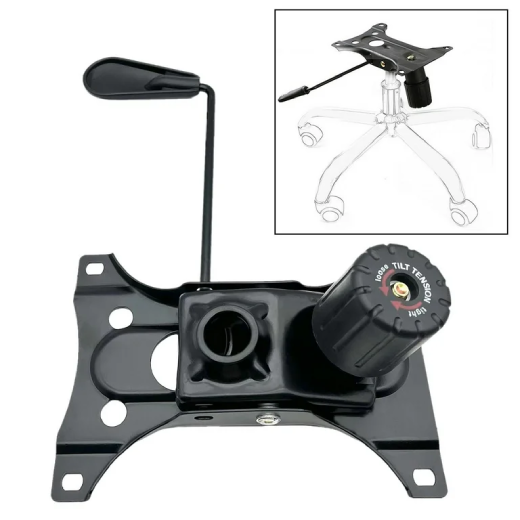
adjustable chair mechanism responsible for tilt control, locking functions, and synchronized motion. To understand why a chair locking mechanism fails and how to fix or replace it, we need to look at how these systems work, what typically goes wrong, and what solutions exist, including modern replacements such as the advanced adjustable chair mechanisms offered by FSGROWING.
Chapter 1: What Is a Chair Locking Mechanism and How Does It Work?
1.1 What Is a Chair Locking Mechanism?
The chair locking mechanism is a key component inside most ergonomic office chairs. It allows users to lock the seatback at specific angles or keep the chair upright. The lock function is usually controlled through a tilt lever or rotating knob, depending on the model. It works by engaging metal plates, gears, or a bar system designed to hold the chair in place during operation.
Without a reliable locking function, the chair can tilt backward unintentionally, creating instability and increasing fatigue during extended sitting periods.
An adjustable chair mechanism typically performs several functions at once:
Supports the tilt or rocking motion
Controls resistance and tilt tension
Locks the chair in one or multiple positions
Connects the seat plate to the gas lift
Balances weight distribution for ergonomic posture
Inside the mechanism are springs, tension rods, cams, and locking plates engineered to work together.
In higher-quality systems—such as those used in FSGROWING's tilt units—the internal components are reinforced and designed for long-term durability, reducing the risk of early failure.
1.3 How the Chair Swivel Tilt Mechanism Responds to Weight
The chair swivel tilt mechanism is responsible for smooth backward recline and seat movement. When functioning correctly, it synchronizes with body motion to reduce pressure on the spine.
When functioning poorly, however, the chair may:
Lean too far back
Fail to lock when adjusted
Feel unstable or unbalanced
Understanding this motion pathway helps diagnose where locking failures originate.
Chapter 2: Why Does My Chair Not Lock—What Are the Real Causes?
2.1 Is the Lock Lever or Knob Damaged?
One of the most common reasons a chair will not lock is a worn-out or loose locking lever. This lever engages the internal locking plate. Over time, frequent adjustments and pressure can loosen the connection.
Signs of a damaged lever include:
Lever moves freely without resistance
Lever cannot fully engage
Lock works intermittently
If these symptoms appear, the mechanism may require tightening or replacement.
2.2 Has the Lock Plate or Metal Bar Worn Out?
Inside the adjustable chair mechanism is a metal lock plate or locking bar. Continuous pressure during recline gradually wears this metal surface. Lower-quality materials wear faster, preventing the plate from fully engaging.
When this plate loses its grip:
The chair tilts backward despite being “locked”
The lock works only at certain angles
Clicking noises occur during tilt
This is a mechanical failure that usually requires replacing the entire mechanism.
2.3 Is the Tilt Spring Too Loose to Support Locking?
Tilt tension affects whether the chair can remain stable when locked. If the tension spring becomes too loose:
The chair may not align properly with the lock
The lock may slip due to insufficient pressure
The seat may wobble when attempting to lock
Increasing tension via the adjustment knob may help, but if the spring is worn, replacement is the best solution.
2.4 Has the Chair Swivel Tilt Mechanism Become Misaligned?
Misalignment happens when:
The user sits down heavily
A bolt becomes loose
The mechanism casing bends under pressure
When misaligned, the internal locking bar cannot meet the locking slot precisely, making the lock fail.
Professional adjustment or mechanism replacement is often required.
2.5 Is the Mechanism Too Old to Function Properly?
Over time, all mechanical systems wear out. For chair locking mechanisms, the lifespan depends on:
Material quality
Daily usage
Load capacity
Maintenance behaviour
Older chairs with decades of use may simply have worn-out internal gears or springs.
Upgrading to a new adjustable chair mechanism, such as those engineered by FSGROWING, provides smoother locking performance and more ergonomic tilt control.
Chapter 3: How Do You Fix a Chair Locking Mechanism That Won't Lock?
3.1 Basic Troubleshooting You Can Try First
Before replacing parts, check the following quick fixes:
Check for Obstructions
Sometimes debris or dust inside the tilt mechanism prevents movement. Cleaning may restore functionality.
Tighten All Bolts
Loose screws can cause the internal lock bar to misalign.
Reset the Tilt Position
Sit upright and pull the lever backward; gently rock the chair to help the lock plate drop into place.
These simple actions resolve many minor locking issues.
3.2 Adjusting Tilt Tension to Support Locking
Tilt tension affects how the chair locks. If tension is too low:
Adjust by turning the tension knob clockwise
Ensure balanced alignment before re-engaging the lock
Tension must be strong enough to hold the lock in place.
3.3 Lubricating the Adjustable Chair Mechanism
Friction or rust inside the mechanism may cause locking resistance. Applying a silicone-based lubricant:
Reduces metal friction
Helps the lock bar engage fully
Prevents grinding noises
Avoid using thick grease, which can attract dust and worsen the problem.
3.4 When Should You Replace the Entire Chair Mechanism?
If the lock plate is broken, the lever is detached internally, or the spring has snapped, the mechanism must be replaced.
This is where quality matters.
FSGROWING produces precision engineered adjustable chair mechanisms and chair swivel tilt mechanism systems that:
Offer stable, multi position locking
Use reinforced steel components
Provide smoother tilt response
Maintain long-term durability under heavy daily use
Replacing your old mechanism with a reliable model restores safety, comfort, and ergonomic performance.
3.5 How Professional Replacement Improves Safety
Faulty chair-locking systems can cause:
Back strain
Sudden backward falls
Poor posture
Investing in a high-quality replacement ensures a stable sitting experience and protects long-term spinal health.
Chapter 4: Why Choose a High-Quality Adjustable Chair Mechanism?
4.1 What Makes a Good Chair Locking Mechanism?
A high-quality system should offer:
Smooth tilt control
Precise lock engagement
Long-lasting internal components
Industrial-grade springs
Strong steel lock plates
Mechanisms like those produced by
FSGROWING are specifically designed for enhanced durability and ergonomic functionality.
4.2 How FSGROWING Improves the Chair Swivel Tilt Mechanism Design
FSGROWING's mechanisms stand out because they feature:
Heavy duty construction for extended lifespan
Consistent tilt resistance
Multiple locking positions
Strong internal gear alignment
Precise engineering to reduce misalignment
These improvements directly solve many common locking failures experienced with low-quality mechanisms.
4.3 Why Upgrading Your Mechanism Is Better Than Replacing the Chair
Buying a new office chair can be expensive. However, replacing the adjustable chair mechanism:
Restores full functionality at lower cost
Eliminates locking problems immediately
Extends the chair's lifespan
Enhances ergonomics and comfort
This is especially true when upgrading to a professionally engineered system from FSGROWING.
4.4 How Proper Maintenance Ensures Long-Term Reliability
To avoid future locking issues:
Tighten bolts every 6 months
Keep tension adjusted
Clean dust from the mechanism
Avoid exceeding weight capacity
Lubricate moving components as needed
Quality mechanisms require less maintenance but still benefit from periodic care.
FAQ
1. Why does my office chair lean back too easily?
Your tilt tension may be too low, or the internal spring of the adjustable chair mechanism may be worn.
2. How do I know if my chair locking mechanism is broken?
If the chair cannot stay locked in place, slips unexpectedly, or produces clicking when locking, internal components may be damaged.
3. Can I fix a broken lock lever myself?
If it's a surface-level issue, yes. If the lever is detached inside the mechanism, replacement is typically required.
4. Is it safe to keep using a chair that won't lock?
Not recommended—sudden backward tilt can cause back strain or falls.
5. Should I replace the whole chair or just the mechanism?
Replacing the mechanism is usually enough. High-quality units from FSGROWING can restore full function.

Comments