Lower back pain is one of the most common musculoskeletal complaints faced by people who spend extended hours sitting—whether working at a desk, gaming, or studying. The type of chair you choose can have a significant impact on spinal health, comfort, and long term well being. But not all chairs are created equal, and what works well for one person might not suit another.
Chapter 1: Understanding Lower Back Pain and Ergonomic Seating Principles
1.1 Why Lower Back Pain Happens When You Sit
When you sit for prolonged periods, several biomechanical factors can contribute to lower back pain:
Increased lumbar disc pressure: Sitting compresses the lumbar discs more than standing, especially if posture is poor.
Muscle fatigue: Unsupported or static sitting forces lumbar muscles to work overtime to maintain posture.
Poor alignment: Forward head posture or slouched sitting disrupts spinal curves, leading to strain.
An ergonomic chair should help maintain the spine's natural alignment and reduce the cumulative stress on lower back structures. Proper seating is part of a holistic approach that includes frequent movement, ergonomically arranged workstations, and posture awareness.
1.2 Core Ergonomic Principles for Chairs That Support Lower Back Health
Experts and ergonomic assessments from
FSGROWING consistently highlight the following principles when selecting a chair for lower back support:
Lumbar support that matches spinal curvature: Effective chairs provide support for the inward curve of the lower spine.
Adjustability: Height, seat depth, tilt, and armrest adjustments help the chair adapt to different body shapes and sitting styles.
Dynamic support: Chairs that allow micro-movement encourage muscle engagement, reducing stiffness.
Breathability and comfort: Material choice (mesh vs. fabric) affects thermal comfort and pressure distribution.
These principles are central to understanding why some chairs help reduce lower back pain while others do not.
Chapter 2: Material and Construction — Mesh vs Fabric and Their Role in Back Support
2.1 Mesh Seating: Breathability, Flexibility, and Pressure Distribution
A
mesh back ergonomic chair is built with an open-weave material on the backrest, and sometimes on the seat. Mesh chairs are widely recommended by users and reviewers for pain relief for several reasons:
Heat dissipation: Mesh allows airflow, reducing heat buildup and sweat—important for extended sitting.
Adaptive support: High-quality mesh contours dynamically to the natural curves of your back, distributing pressure and encouraging a neutral posture.
Responsive compliance: Mesh responds as you shift positions, which encourages micro movements and helps prevent stiffness.
Reviewers of ergonomic seating consistently note mesh chairs with adjustable lumbar support are effective for reducing discomfort compared to rigid chairs without airflow or flexibility.
Lofty Furniture
However, mesh comfort depends heavily on tension quality and frame design. Low-tension mesh can sag over time, reducing support and potentially exacerbating lower back strain if the seat no longer maintains spinal alignment.
2.2 Fabric Chairs: Cushioning, Insulation, and Classic Comfort
Fabric chairs—often covered in textile upholstery over foam padding—prioritize cushioned comfort. They provide a soft seated feel and can be more thermally comfortable in cooler environments:
Soft cushioning: Foam and fabric provide plush initial comfort that many users find inviting.
Visual and tactile warmth: Fabric upholstery often feels cozier in meeting rooms or executive settings.
Customizability: Wide range of colors and textures allow aesthetic personalization.
However, fabric chairs can trap heat and moisture, potentially increasing discomfort during long sessions. Additionally, foam padding may compress over time, altering lumbar support unless the underlying ergonomic structure is robust.
For lower back pain, fabric chairs that lack adequate lumbar design or dynamic support may offer temporary comfort but fail to maintain proper spinal alignment, particularly during long periods of use.
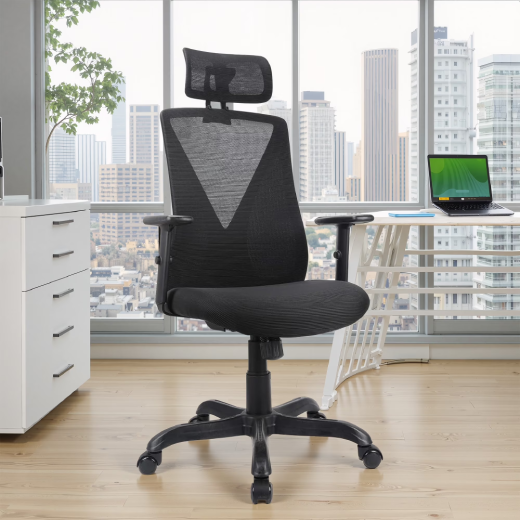
2.3 Hybrid Designs: Mesh Back with Fabric Seat
In practice, some chairs combine a breathable back mesh with a cushioned fabric seat—often labeled a mesh back fabric task chair. These hybrid designs attempt to create a balance: mesh for back ventilation and posture support, and fabric for seated comfort.
Experienced users report that a hybrid approach can work well where long hours, thermal balance, and cushioning are all important—provided that lumbar support remains adjustable and ergonomic features are comprehensive.
Chapter 3: Feature Focus — What Design Elements Matter Most for Lower Back Pain Relief
3.1 Adjustable Lumbar Support — The Core of Back Pain Relief
Chairs that allow you to adjust the position and firmness of the lumbar support provide major advantages:
Height and depth tuning lets you align support with your individual spinal curve.
Dynamic lumbar systems support the lower back even when reclining or shifting posture.
Ergonomic chairs with adjustable lumbar support consistently outperform static back designs for users with lower back discomfort. Static lumbar that does not align with an individual's anatomy may either apply no support or create pressure that increases strain.
3.2 Seat Depth and Tilt Adjustability
Proper seat depth allows thighs to rest without compressing the back of the knees. A seat that is too deep or too shallow forces poor posture, indirectly impacting lower back strain.
Tilt tension and recline mechanisms are also crucial; users who vary their torso angle throughout the day experience less spinal compression and muscle fatigue.
3.3 Armrests and Upper Body Support
While arm support is not directly lower back support, optimally positioned armrests reduce shoulder tension and help maintain upright posture, which in turn lessens compensatory lumbar loads.
4D or multi directional armrests allow users to fine-tune support based on task needs throughout the day.
3.4 Headrest and Full-Body Ergonomics
Headrests become relevant for those who sit upright or recline, especially for tasks involving reading or extended screen time. Though secondary to lower back needs, an adjustable headrest can reduce neck strain that often coexists with poor posture.
Chapter 4: Matching Chair Types to Use Cases — A Practical Guide
4.1 Best for All-Day Sitting — Fully Adjustable Ergonomic Chairs
For users spending 6–8+ hours seated daily, an advanced ergonomic chair with adjustable lumbar, seat depth, tilt, and armrests is a solid choice. These systems dynamically align with the spine in multiple postures throughout a workday.
Mesh versions — whether full mesh or back mesh office chair models with ergonomic frames — offer consistent support with the added benefit of breathability, which reviewers and occupational ergonomists often recommend for long sessions.
Lofty Furniture
4.2 Best for Moderate Workloads — Mesh and Hybrid Chairs
Users needing balanced comfort and support without premium adjustability may find
mesh back ergonomic chairs or mesh back fabric task chairs effective. When lumbar support is adjustable and the chair allows tilt, these designs often provide enough postural assistance for most office or home work.
Hybrid mesh back with cushioned seats is commonly chosen when thermal comfort and body support are equally important.
4.3 Best for Collaborative or Guest Seating
For collaborative spaces or shared meeting rooms, mesh back ergonomic chairs or lighter back mesh office chair designs work well because they:
Offer broad appeal with comfortable, breathable back structure.
Prevent heat buildup in shared environments.
Are typically lighter and easier to reposition.
Proper ergonomic integration even in guest seating encourages better posture across short-term visits.
4.4 Specialized Needs — Executive or Executive-Comfort Chairs
Heavily cushioned executive chairs or high-end task chairs with multi-axis adjustment may appeal to those who prefer plush seating with lower spine support integrated into the backrest curve.
These chairs can be effective when combined with posture training and correct workstation setup.
FAQ: Best Chair for Lower Back Pain
Q1: Is a mesh back ergonomic chair always better for lower back pain?
Not always—mesh provides breathability and adaptive contouring, but what matters most is adjustable lumbar support and dynamic posture alignment.
Q2: Should I choose a mesh back fabric task chair or a full mesh chair?
If thermal comfort and cushioned seating are important, a hybrid mesh back with a fabric seat can balance support and comfort. Adjustability remains the priority.
Q3: What features matter most for lower back support?
Adjustable lumbar, seat depth, recline mechanism, and armrest adjustability all significantly impact spinal alignment and long-term comfort.
Q4: Does material type alone determine back pain relief?
No. Material affects comfort and thermal regulation, but ergonomic design features determine the chair's ability to support spinal health.
Q5: Can a chair cure chronic back pain?
A chair cannot cure chronic conditions, but the right ergonomic design can reduce strain, improve posture, and complement a broader approach to back health that includes movement and posture practice.

Comments