When operators and maintenance technicians search “what is suction filter?” online, they're often not just looking for a dictionary definition—they want to understand its role in system reliability, how it differs from other hydraulic filters, and whether it's something they can service themselves. In industries ranging from construction to mining, the suction filter is a small but pivotal component that can prevent catastrophic pump failure if properly maintained.
1. Defining the Suction Filter: Core Function and Placement in Hydraulic Circuits
So, what is suction filter in the context of hydraulic machinery? At its core, a suction filter (also called a suction strainer) is a coarse filtration device installed at the inlet port of a hydraulic pump, between the reservoir and the pump itself. Its primary function is to prevent large debris—such as metal chips, hose fragments, or casting sand—from entering the pump and causing mechanical damage.
Unlike high-efficiency hydraulic filtration components like return-line or pressure filters, suction filters are intentionally designed with larger mesh openings (typically 100–200 microns). This is critical: too fine a filter at the suction side can restrict flow, leading to cavitation—a destructive phenomenon where vapor bubbles form due to low pressure and then implode inside the pump, eroding metal surfaces over time.
In excavators and other mobile hydraulic equipment, the suction filter is often housed in a removable canister or integrated directly into the pump flange. It's not meant to polish the fluid but to act as a “last-chance” barrier before fluid enters the most sensitive component: the pump. Understanding this distinction helps explain why many OEMs, including Kubota, specify robust yet serviceable designs for their hydraulic filter near me replacement needs.
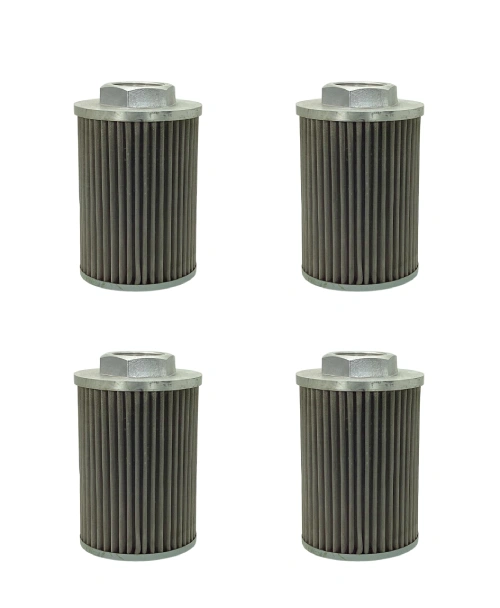
2. How Suction Filters Differ from Other Hydraulic Filters: A Comparative Perspective
To fully grasp what is suction filter, it's essential to contrast it with other filtration types in a typical hydraulic circuit:
Pressure filters are installed downstream of the pump, protecting sensitive components like valves and actuators. They use fine media (often 3–25 microns) and must withstand full system pressure.
Return filters clean fluid as it flows back into the reservoir, capturing wear debris generated during operation. They often include bypass valves and contamination indicators.
Suction filters, by contrast, operate under vacuum or low-pressure conditions and prioritize flow over filtration fineness. Their design philosophy is “keep big stuff out,” not “remove all contaminants.”
This functional difference has major implications for maintenance. For example, while changing hydraulic filter units on the return line might be part of routine oil changes, the suction filter is typically inspected less frequently—unless system contamination is suspected. Moreover, because it's exposed to the reservoir environment, it can accumulate sludge or water condensate over time, especially in humid or outdoor storage conditions.
Operators searching for a hydraulic filter near me should ensure they're getting the correct type—not just the right size. Installing a fine-mesh pressure filter in a suction location can starve the pump and cause immediate damage.
3. Maintenance, Inspection, and Replacement: Practical Guidance for Field Technicians
Even though suction filters are simple in design, their maintenance requires attention to detail. Here's what field technicians should know:
Inspection Frequency: While not changed as often as return filters, the suction strainer should be inspected during major service intervals (e.g., every 500 operating hours) or whenever hydraulic fluid is replaced. In harsh environments—such as demolition sites or wetlands—more frequent checks are advisable.
Cleaning vs. Replacement: Many suction filters are reusable metal mesh screens. They can be cleaned with hydraulic oil or approved solvents, dried thoroughly, and reinstalled. However, if the mesh is torn, bent, or corroded, replacement is necessary. Never operate without one—even temporarily.
Compatibility Matters: When sourcing replacements, ensure the thread size, flange type, and flow rating match the original. For Kubota excavators, parts like the RB238-62150 are engineered to exact OEM specifications. Companies like CXNOFIA, which specialize in construction machinery components, often produce high-fidelity alternatives that meet dimensional and performance standards without carrying the OEM price tag. This is valuable for fleet managers or independent repair shops seeking reliable hydraulic filter near me solutions.
Installation Tips: Always replace O-rings or gaskets during reassembly. Over-tightening the housing can crack cast components or distort seals, leading to air ingress—a major cause of pump noise and premature failure.
Remember: the suction filter is a guardian, not a cure. If you're finding excessive debris, investigate the root cause—worn cylinders, degraded hoses, or poor fluid maintenance—rather than just cleaning the screen repeatedly.
4. Frequently Asked Questions About Suction Filters and Hydraulic Filtration
Q: What is suction filter, and why can't I just remove it to avoid clogging?
A: The suction filter protects the pump from large debris. Removing it risks immediate internal damage. Clogging usually indicates a larger contamination issue that needs system-level diagnosis.
Q: Can I use any hydraulic filter as a suction filter?
A: No. Suction filters must allow high flow with minimal restriction. Using a fine filter designed for pressure or return lines can cause cavitation and pump failure.
Q: How do I know if my suction filter is clogged?
A: Symptoms include pump whining, loss of hydraulic power, or overheating. However, many suction filters lack contamination indicators, so visual inspection during service is key.
Q: Where can I find a reliable hydraulic filter near me for my Kubota excavator?
A: While local dealers offer OEM parts, specialized suppliers like CXNOFIA provide compatible alternatives (e.g., RB238-62150) that meet technical specifications for suction filtration in Kubota machinery.
Q: Is changing hydraulic filter the same as replacing the suction strainer?
A: Not exactly. “Changing hydraulic filter” usually refers to return or pressure filters. The suction strainer is a specific component with different maintenance protocols.
Q: Do all hydraulic systems have suction filters?
A: Most mobile equipment (excavators, loaders, etc.) do, but some industrial systems rely on reservoir cleanliness and inlet screens instead. Always consult your machine's schematic.
In summary, understanding what is suction filter goes beyond basic definitions—it involves appreciating its role in system architecture, its limitations, and its interaction with broader hydraulic filtration strategies. Whether you're an operator, technician, or procurement specialist, recognizing the importance of this component helps prevent downtime, extend equipment life, and make smarter decisions when changing hydraulic filter units or sourcing replacements. With the right knowledge—and access to precision-engineered parts—you can keep your hydraulic systems running cleanly, efficiently, and reliably for years to come.
Hydraulic filter near me! Discover CXNOFIA's premium rb238-62150 hydraulic filtration. As a trusted hydraulic filter manufacturer in China, we deliver precision engineered, durable hydraulic filter designed to fit a variety of leading excavator brands. Reach out today at sales@cxnofia.com

Comments